
Blog
Strengthening Migration Processes through Multi-Stakeholder Dialogue
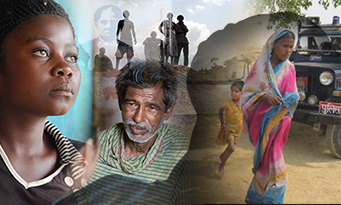
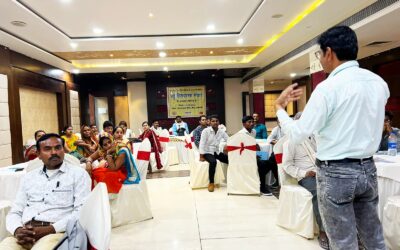
Navigating the intricate landscape of global labor migration, particularly the India-Gulf Cooperation Council (GCC) migration corridor, where the pursuit of economic opportunities often intertwines with the risk of exploitation, has become a pressing concern. As new...
A Transformative Journey: Meeting with Survivors in Nigeria
In Senegal, we are collaborating with the Center on Human Trafficking Research & Outreach (CenHTRO) at the University of Georgia, two civil society organizations, law enforcement, and other government agencies to combat severe sex trafficking in the Kedougou...
UN Security Council Research
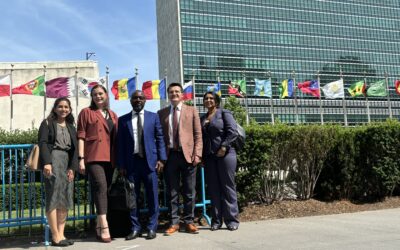
On Tuesday, June 4th, Free the Slaves and the University of Nottingham Rights Lab launched their joint report, “Modern Slavery and the United Nations Security Council” at the Church Center for the United Nations in New York, New York. This exciting event began at 2 PM...
Get Involved
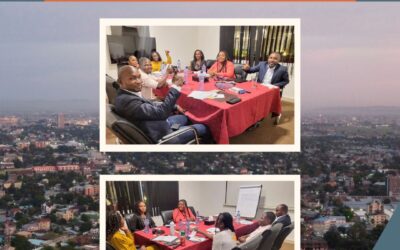
Survivor Advocacy Training in Democratic Republic of Congo
Bukeni Waruzi, Executive Director of Free the Slaves, recently conducted a critical training session with survivors of forced labor, modern slavery, sex trafficking, and child labor in Kinshasa, the national capital of the Democratic Republic of Congo (DRC). The...
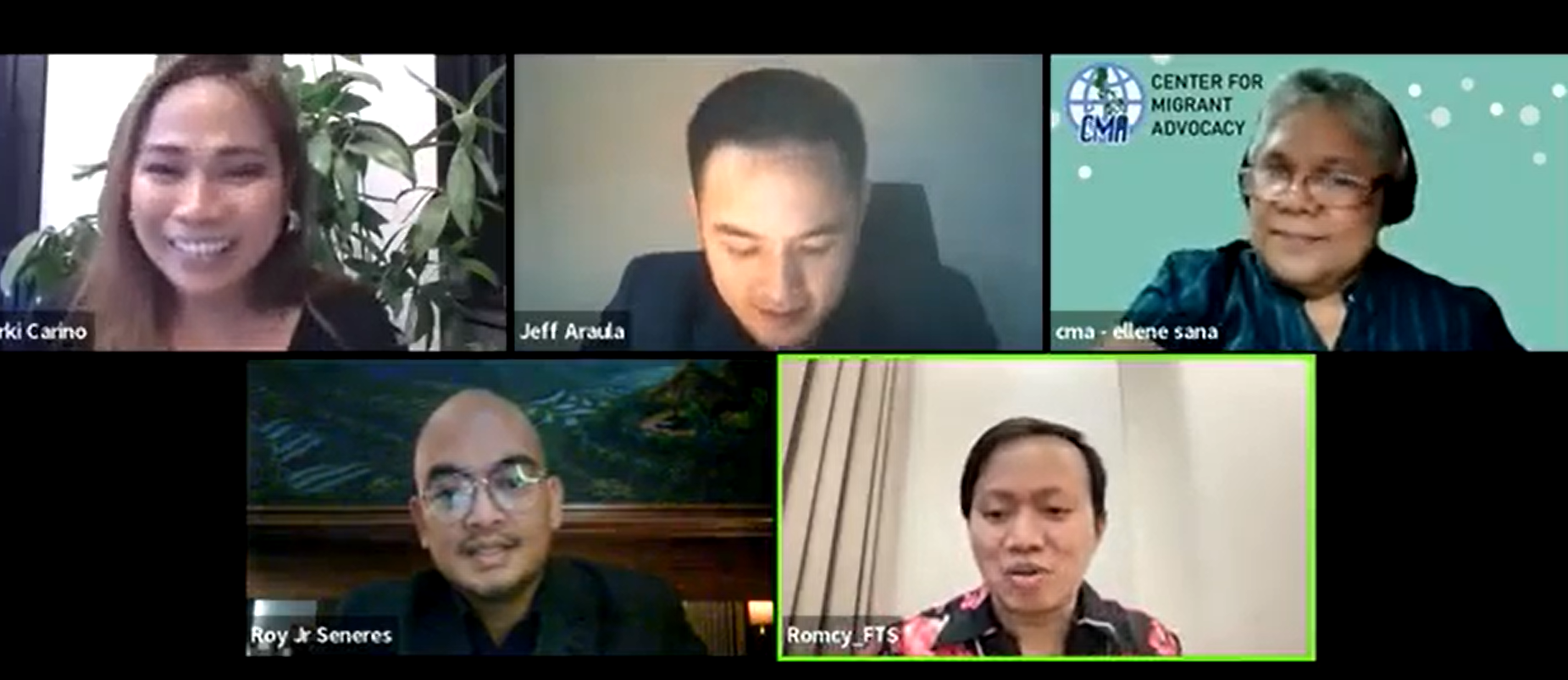
Free the Slaves Joins Discussion on Overseas Filipino Workers’ Rights
Immigrants and overseas Filipino workers (OFW) are vital to the Philippine economy. It’s estimated of the 109 million people residing in the Philippines, 1.77 million Filipinos are OFWs. Despite their important role in the Philippine economy, many of these seasonal...
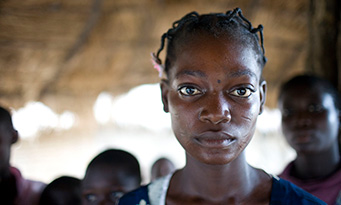
FTS and Partners Urge G7 to Take Action Against Forced Labor in Supply Chains
On June 13, 2022, Free the Slaves joined 20 civil society organizations, survivors, and academics in urging the G7 to adopt new measures in ensuring forced labor is eradicated from the global supply chain. The leaders of these prosperous countries have the resources...
Our Work
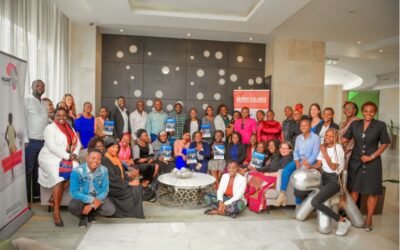
Survivors and Organizations Working Together Against Human Trafficking: Insights from East and Central Africa
People who have been directly affected by a certain issue are the ones who best know its root causes, consequences, implications, and dynamics. They are also the ones who best know what the solutions to that issue may be. In virtue of their unique knowledge through...
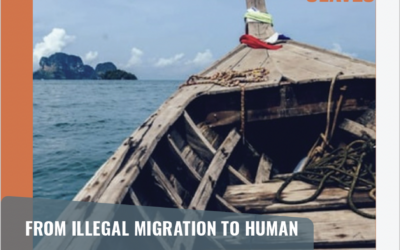
From Illegal Migration to Human Trafficking: Dangerous Journeys Across the Horn of Africa and the Arabian Peninsula
There is an urgent need to address the multiple conditions that lie behind migration from the Horn of Africa to the Gulf Monarchies. The journey from the Horn of Africa through Yemen and onwards to the Gulf monarchies accounts for 40% of all migratory movements...
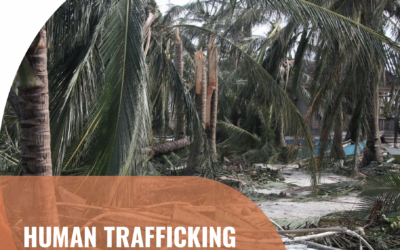
Human Trafficking and Climate Change: Understanding Intersections and Strengthening Responses in the Philippines
It is increasingly recognized that climate
change also contributes to (and is contributed by) human trafficking.
News
Omicron Variant Postpones Annual Freedom from Slavery Forum
Due to the sharp rise in cases and uncertainty associated with the Omicron variant of the COVID-19 virus, Free the Slaves is announcing the postponement of the global Freedom from Slavery Forum in Marrakesh, Morocco. The Forum, scheduled for December 5-8, would have...
Freedom from Slavery Forum Focuses on Asia
Anti-slavery movement leaders across Asia convened virtually via Zoom in August at the first-ever Freedom from Slavery Forum - Asia to discuss issues most pertinent to the continent and set priorities for next year around the theme of “Resilience and Resistance to...
Integrating Anti-Trafficking Work into COVID-19 Medical Interventions
International development and humanitarian relief programs frequently work in areas where modern slavery flourishes. This connection has deepened as the COVID-19 global pandemic increases social and economic vulnerabilities to human trafficking. But in India, a...
Americas
Haiti Insecurity Could Increase Child Slavery
We are still in shock about Haiti. On July 7, we awoke to news that President Jovenel Moïse had been assassinated overnight. Major cities went into lockdown and a power vacuum has now worsened the political crisis with no clear path out. The parliament is...
Masks and Food Arrive in the Dominican Republic in Time for Christmas
Great news! Your generous contributions to our “Everyone Deserves a Mask” campaign earlier this year helped us deliver vital COVID-19 personal protective equipment and nutrition parcels in the Dominican Republic, just in time for Christmas. Our Dominican Republic...
Are You Financing Modern Slavery and Racial Inequality?
The things we buy are decisions we make about the world we want. With Black Friday, Cyber Monday and the holiday gift-giving season beginning soon, it’s important to reflect on how everyday purchases can unknowingly fuel modern slavery and the racial inequality it...
Asia
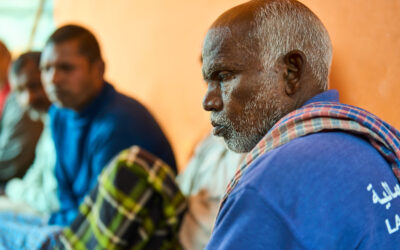
The FFACT Project’s Role in Transforming Migrant Worker Recruitment
In an effort to address the challenges faced by migrant workers, Free the Slaves, in collaboration with Verité, has initiated the Fostering Fee Accountability and Cost Tracking (FFACT) project. Spanning from 2022 to 2024, this initiative aims to bring greater...
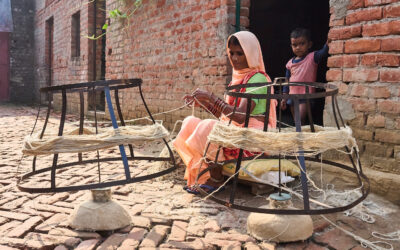
The Inspiring Journey of Meena
Meena, an Accredited Social Health Activist (ASHA), lives in a peaceful rural village near Varanasi in Uttar Pradesh. The Hindi word "ASHA" means "hope," making it the perfect title for an individual whose dedication to the well-being of her community extends far...
Human Trafficking and Climate Change: Understanding Intersections and Strengthening Responses in the Philippines
It is increasingly recognized that climate
change also contributes to (and is contributed by) human trafficking.
Africa
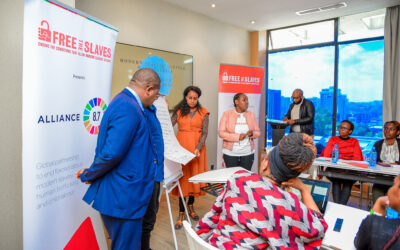
Empowering Partnerships: Free the Slaves Impact in East and Central Africa
In the fight against modern slavery, collaboration is paramount. Nowhere is this more evident than in the efforts of Free the Slaves in East and Central Africa, where partnerships between civil society organizations and the government are paving the way for impactful...
Survivors and Organizations Working Together Against Human Trafficking: Insights from East and Central Africa
People who have been directly affected by a certain issue are the ones who best know its root causes, consequences, implications, and dynamics. They are also the ones who best know what the solutions to that issue may be. In virtue of their unique knowledge through...
Champions of Justice in Mauritania
In Mauritania, a country where the shadows of poverty linger and the remnants of slavery still impact lives, a dedicated team of paralegals from Free the Slaves (FTS) are tirelessly working to shed light on the path toward justice and human rights. Through their...