Mauritania

Slavery in Mauritania

Approximately 90,000 people, two percent of Mauritania’s population, are held in conditions of modern slavery.
Slavery in Mauritania dates back centuries, when Arab Berbers raided and enslaved Black Africans settled along the Senegal River, forcing them to the bottom of a race-based social system.
The Arab Berber elite and light-skinned Moors, who make up about one third of the population, continue race-based slavery today. This form of slavery is largely descent-driven, where dark-skinned Haratines are bonded to the family of those who enslaved them. Many are unaware that their exploitation is illegal, and in some cases, slavery survivors continue to serve their slaveholders after obtaining freedom out of “gratefulness and habit.” Their lack of access to education, decent labor, justice, political representation, and other rights is amplified by widespread systemic racism.
Our Solutions in Mauritania
Free the Slaves is building social inclusion of structurally and historically marginalized groups. This project focuses on the Haratines and other marginalized communities while supporting a broad, multilevel anti-slavery movement for accountability, in which Mauritania upholds its commitments enshrined in domestic law and international obligations.

Our objectives:
- Marginalized racial communities are engaged with their rights via a new platform that includes traditional and social media content
- Networks of civil society, lawyers, and community organizations are established for local advocacy, to hold the government accountable, and to foster a culture of human rights
- An international alliance of global civil society and national governments is holding the Mauritanian government accountable to its global commitments to uphold the rule of law.
Our Partners in Mauritania
Free the Slaves collaborates with…
- ALCD: Association de Lutte Contre la Dépendance (Association to Fight Against Addiction)
- IRA : Initiative for the Resurgence of Abolitionist Movement
The Latest From Mauritania
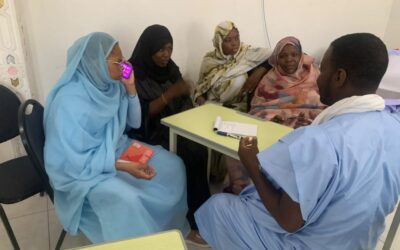
Free the Slaves Trains 28 Paralegals and Young Leaders in Nouakchott to Address Modern Slavery and Human Trafficking
On September 29, Free the Slaves held a one-day workshop in Nouakchott for 28 paralegals, activists, and human rights defenders from local civil society organizations. Participants studied modern slavery in Mauritania, national and international law, and the difference between human trafficking and migrant smuggling, building the skills to identify cases, make referrals, and support survivors.
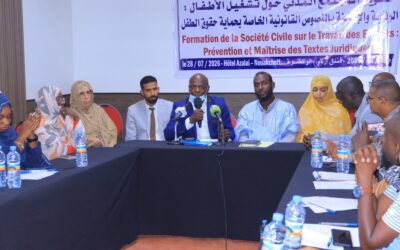
Building Legal Literacy to Protect Children in Mauritania
Free the Slaves and SOS Esclaves brought together thirty civil society representatives in Nouakchott, Mauritania, for a training on the legal frameworks that protect children from labor exploitation. The session is part of a broader program supporting paralegals, journalists, and Mauritania’s progress as an Alliance 8.7 Pathfinder Country. Participants studied national and international child labor law and left with concrete action plans for their own organizations.

Mauritania Takes a Stronger Stand Against Modern Slavery, Human Trafficking, and Migrant Smuggling
Slavery remains a pressing issue in Mauritania despite legal reforms over the years. In a significant move, the Mauritanian government has established a specialized court to prosecute cases of slavery, human trafficking, and migrant smuggling. This initiative aims to strengthen justice, enhance human rights protections, and ensure accountability. With growing national and international support, this step marks a critical moment in the fight against modern slavery.