Free the Slaves joined government, labor, and civil society partners in the Philippines for the launch of the ILO’s new Freedom of Association Training Programme. This is an important step in strengthening labor rights, advancing democratic workplaces, and protecting workers from exploitation and forced labor across sectors.
Philippines
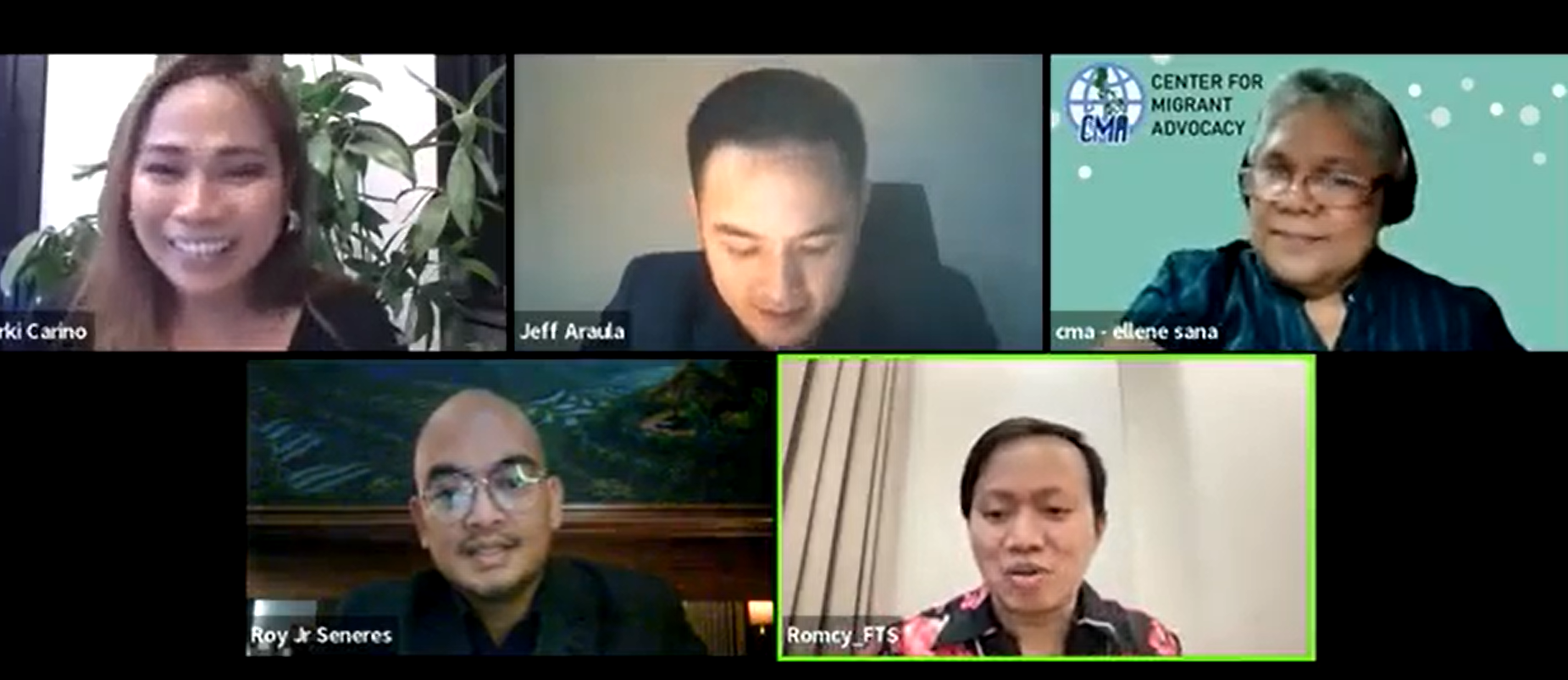
FTS and DOJ–IACAT Convene National Roundtable to Strengthen Action Against Labor Trafficking in the Philippines
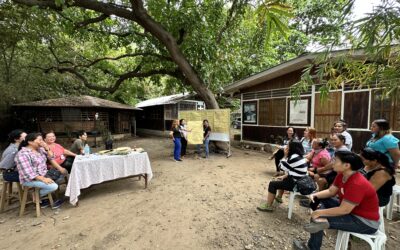
A multi-sectoral roundtable convened by Free the Slaves and the DOJ–Inter-Agency Council Against Trafficking brought together government agencies, civil society, international partners, and survivor leaders to strengthen the Philippines’ response to labor trafficking. The discussion highlighted evolving trafficking trends, operational challenges, and survivor-led recommendations that will guide future inter-agency collaboration and national strategies.
Free the Slaves Philippines Joins National Review of Hazardous Child Labor Guidelines
Free the Slaves Philippines recently joined government agencies and civil society partners in a national workshop to review and strengthen the guidelines that prohibit hazardous work for children. As emerging forms of labor and new risk environments continue to evolve, this review is a critical step in ensuring that protections remain relevant, enforceable, and firmly centered on the rights and safety of children. Through our participation, Free the Slaves reinforced its commitment to supporting policies that prevent exploitation before it begins and uphold every child’s right to a safe and healthy future.
Implications of the Pact for the Future on Anti-Trafficking Efforts in the Philippines
The 79th UN General Assembly introduced pivotal frameworks like the Pact for the Future and the Global Digital Compact—a call for nations to combat modern slavery and human trafficking through innovation, collaboration, and digital solutions. As a leader in the fight against trafficking, the Philippines is poised to leverage this global momentum, strengthen survivor-centered policies, and harness technology to protect vulnerable populations. Explore how the Philippines can adapt to these commitments and create sustainable change.
Modern Slavery in the Philippines: A Closer Look
Despite significant progress in anti-trafficking efforts, modern slavery continues to impact an estimated 859,000 people in the Philippines. Vulnerable groups, including migrants, children, and women, face exploitation in forced labor, sex trafficking, online abuse, and hazardous industries. While the Philippines has retained Tier 1 status in the 2024 Trafficking in Persons Report, systemic challenges like corruption and insufficient victim screening hinder further advancements. This blog explores the forms of modern slavery affecting the country and outlines actionable steps to strengthen protections and support survivors.
Empowering Students to Combat Modern Slavery with Xavier University
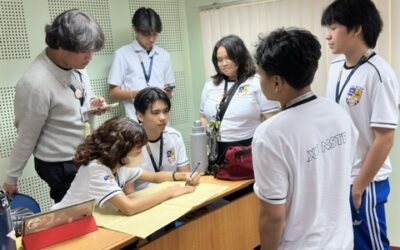
Free the Slaves partnered with Xavier University – Ateneo de Cagayan’s National Service Training Program to educate over 110 students on modern slavery. Through workshops, students explored actionable solutions, such as leveraging social media and participating in local discussions, to fight human trafficking. This initiative highlights the pivotal role of youth in creating a world free from exploitation.
Strengthening Survivor Voices: Training with Survivor Groups in the Philippines
This initiative represents more than just empowerment; it is about creating leaders who can drive meaningful change in their communities and inspire others to join the fight against human trafficking. By focusing on survivor leadership, we are building a movement that is rooted in the experiences and voices of those who have lived through the horrors of trafficking, ensuring that their insights guide our collective efforts to end modern slavery.
Empowering Barangay Culiat to Combat Child Labor in the Philippines
Empowering Barangay Culiat to Combat Child Labor in the Philippines Modern slavery is an insidious reality that continues to affect millions worldwide, manifesting through forced labor, human trafficking, and the exploitation of children. In the Philippines, these...
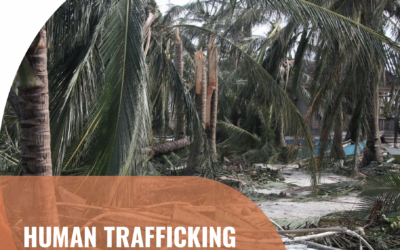
Human Trafficking and Climate Change: Understanding Intersections and Strengthening Responses in the Philippines
It is increasingly recognized that climate
change also contributes to (and is contributed by) human trafficking.
Free the Slaves Joins Discussion on Overseas Filipino Workers’ Rights
Immigrants and overseas Filipino workers (OFW) are vital to the Philippine economy. It’s estimated of the 109 million people residing in the Philippines, 1.77 million Filipinos are OFWs. Despite their important role in the Philippine economy, many of these seasonal...
Free the Slaves Partners with Three Filipino Organizations
Free the Slaves is excited to announce new partnerships with local organizations in the Philippines. These partnerships will allow us better to understand the context of slavery in the Philippines and strengthen our efforts to combat it. We partner with the Balaod...
I still have hope in my 50’s
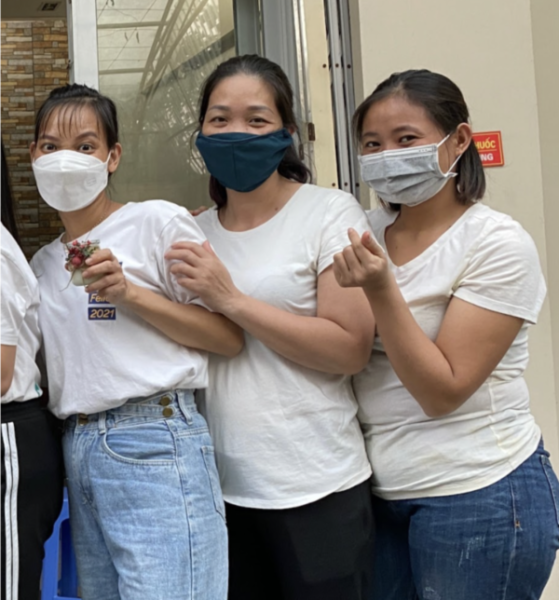
Last year Free The Slaves joined HopeBox, an NGO based in Vietnam, to serve survivors of domestic abuse and slavery. While working in the city of Hanoi, Free The Slaves and Hope Box had the privilege of meeting Tina*. This is Tina’s story of overcoming fear and...
FTS Executive Director Expresses Support for Panagtapok 2022
There is power in the collaboration and action of dedicated leaders to address societal issues. This was clearly achieved when more than 200 leaders from the Philippines gathered together in the Panagtapok 2022 (which translates to 'a gathering' in English). The event...
Freedom from Slavery Forum Focuses on Asia
Anti-slavery movement leaders across Asia convened virtually via Zoom in August at the first-ever Freedom from Slavery Forum - Asia to discuss issues most pertinent to the continent and set priorities for next year around the theme of “Resilience and Resistance to...
FTS Launches Our First Training Webinar in the Philippines
The Free the Slaves Community Liberation Toolkit (CLT) continues to provide learning opportunities for anti-slavery grassroots organizations worldwide. Following the onset of the COVID-19 pandemic, FTS has invested in developing online tools to train and mobilize...