
Navigating the intricate landscape of global labor migration, particularly the India-Gulf Cooperation Council (GCC) migration corridor, where the pursuit of economic opportunities often intertwines with the risk of exploitation, has become a pressing concern. As new and emerging human rights due diligence (HRDD) legislation, such as the recently passed EU Corporate Social Due Diligence Directive (CSDDD), gains traction, the demand for transparent and accurate information regarding labor recruitment costs has escalated. As global supply chains grapple with the pervasive issue of debt bondage, a deeply rooted manifestation of forced labor, the urgent need to shed light on the hidden financial burdens shouldered by migrant workers has become critical.
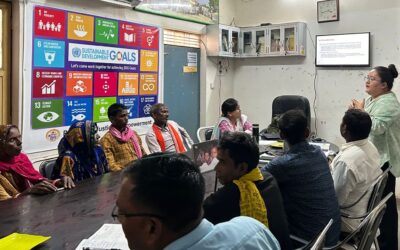
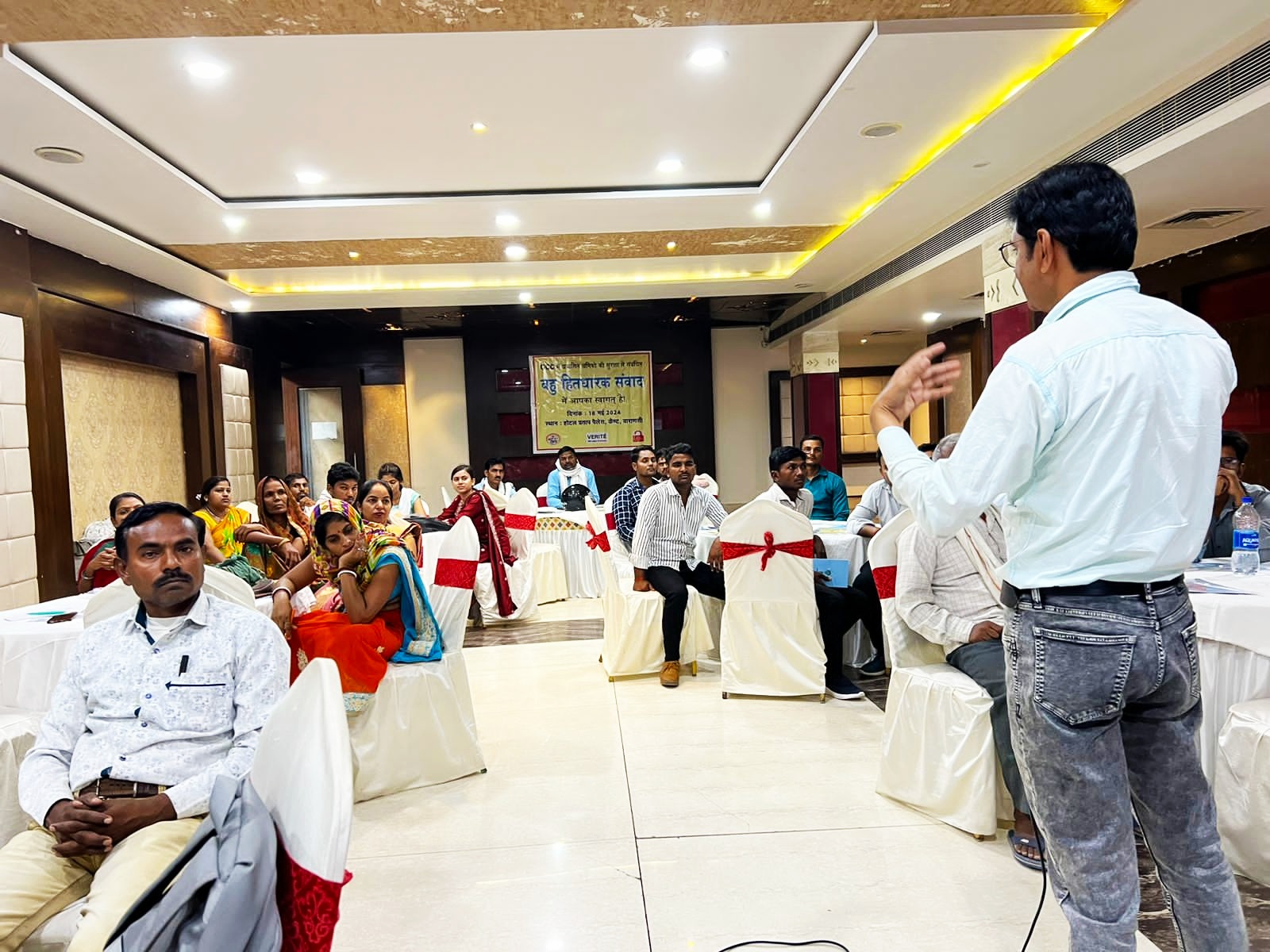
On May 18, 2024, a pivotal multi-stakeholder dialogue was organized by Free the Slaves (FTS) with the support of Manav Sansadhan Evam Mahila Vikas Sansthan (MSEMVS) and Verite. This event brought together key stakeholders including Community Vigilance Committee (CVC) leaders, Migration Vigilance Committee (MVC) leaders, National Skill Development Corporation International (NSDCI), local government representatives, and various civil society organizations (CSOs) to discuss and enhance the migration process for migrants.
The dialogue saw the participation of 32 key stakeholders, representing diverse perspectives and expertise. The agenda was comprehensive, starting with briefings from Verite and FTS about the project and progressing to an in-depth discussion led by NSDCI on the services they offer to facilitate a smoother migration process.
One of the key highlights of the event was the official launch of a crucial survey report by Mr. Bhanuja Lal Sharan, the Executive Director of MSEMVS. This report, which encapsulated significant findings on migration trends and challenges, was shared with all participants, sparking discussions and strategies for improvement. Innovative digital tools were used to collect accurate and transparent recruitment cost information directly with migrant workers from India. Combining innovative digital tools with community-based trust-building initiatives has resulted in promoting worker-centric data that local CSOs can leverage to drive evidence-based advocacy efforts. Empowered with this resource, civil society, and community leaders can engage in cross-stakeholder dialogues with local authorities, presenting a compelling case for improved interventions and policies aimed at addressing the pervasive issue of debt bondage exploitation.
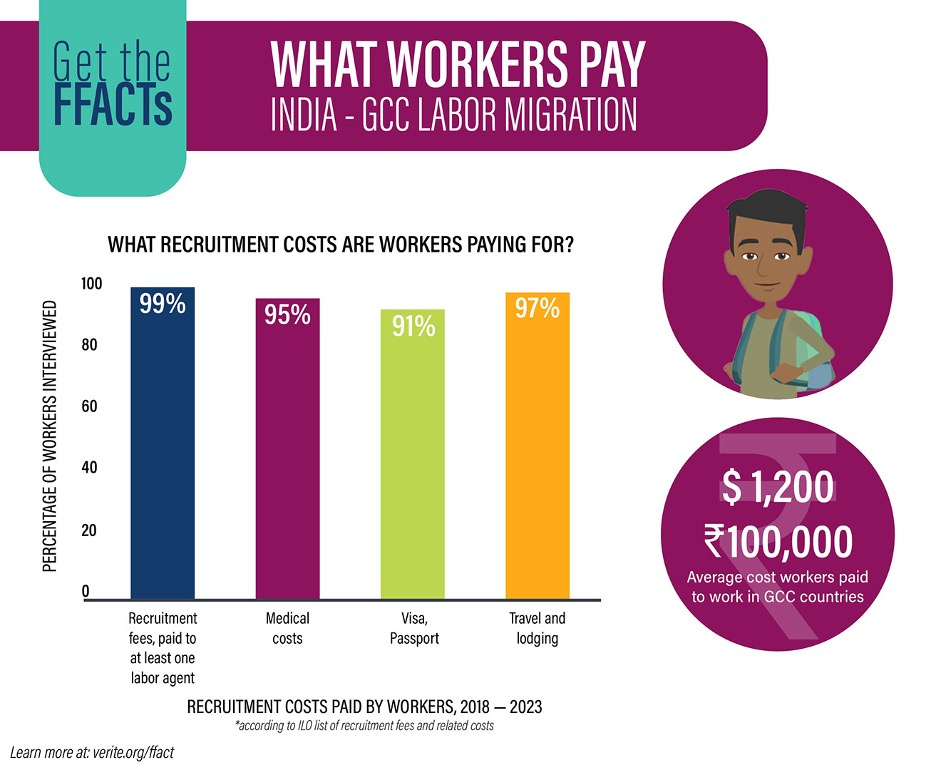
FFACT worker interviews show migrant workers are shouldering a significant financial burden in the form of recruitment-related costs, often resorting to taking out loans to pay labor agents or brokers. The data reveals that workers migrating from India to the Gulf Cooperation Council (GCC) countries are paying an average of $1,200 in recruitment fees and associated costs, including expenses such as medical examinations, passport and visa processing fees, and travel expenses. Notably, the International Labor Organization (ILO) clearly defines these expenses as costs that should be paid by employers in the process of recruiting foreign workers. Furthermore, 99% of the 281 Indian workers interviewed reported having to take out loans to pay recruitment fees to at least one labor agent or broker.
The multi-stakeholder dialogue underscored the importance of collaborative efforts in addressing migration issues. By bringing together leaders from various sectors, the dialogue facilitated a richer understanding of the challenges faced by migrants and the collective actions needed to address these challenges.
The event concluded with a commitment from all stakeholders to continue working together, leveraging their unique strengths and resources to make the migration process more efficient and humane.
This multi-stakeholder dialogue marks a significant step forward in the ongoing efforts to support and protect migrant workers, ensuring their rights and facilitating safer migration journeys.
The Survey report and more information about the Fostering Fee Accountability and Cost Tracking Project (FFACT) project can be accessed here: https://verite.org/ffact/