

Date: September 9, 2024
Number of participants: 38
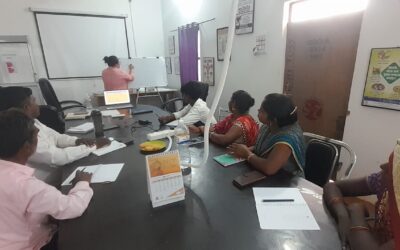
Free the Slaves, in partnership with Verité and implementing partners in India, recently wrapped up the Fostering Fee Accountability and Cost Tracking (FFACT) Project—an initiative designed to address the challenges of unsafe migration in the India-GCC migration corridor. The project, which spanned 19 months and focused on two districts in Uttar Pradesh, India, dealt with significant issues in international migration, an often overlooked yet critical issue affecting countries across South Asia.
Addressing Unsafe Migration in South Asia
Although migration is a key issue in the region, few initiatives tackle it with the necessary depth and insight. The FFACT project was unique in its approach, providing key learnings and facing unexpected challenges along the way. In addition to India, Verité also implemented the project in the Bangladesh-Malaysia migration corridor, with support from the organization Sheva.
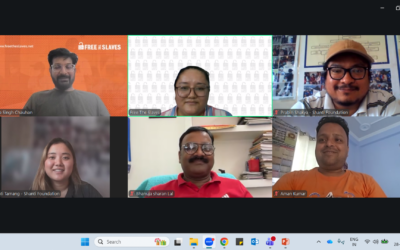
Free the Slaves and Verité hosted a webinar to share these findings, best practices, and lessons learned from the project, generating significant interest from organizations in India, Nepal, and Bangladesh. The webinar shed light on unsafe migration practices and how community awareness, legal aid, and cross-border collaboration can address these challenges.
Insights Shared During the Webinar
The event, attended by 38 participants from various organizations in India, Nepal, and Bangladesh, featured contributions from several key partners. Verité provided an overview of the project, its interventions, and the impact on the communities it served. Partners such as Manav Sansadhan Evam Mahila Vikas Sansthan (India) and Sheva (Bangladesh) shared ground-level perspectives on labor migration and the challenges they faced during the project.
Additionally, organizations not directly involved in the project, like the People Forum for Human Rights (Nepal), Shramik Sanjal, and the Alliance Against Trafficking of Women and Children (Nepal), contributed to the discussions. They shared their experiences with international migration, highlighting the legal challenges faced by migrant workers and offering solutions based on their first-hand experience in source and destination countries. The Centre for Women and Children Studies (Bangladesh) also shared insights on supporting migrant workers.
Key Suggestions and Takeaways
The webinar yielded several key suggestions from speakers and participants alike, which could help address the growing issue of unsafe international migration. These included:
- Increasing awareness within communities experiencing high rates of unsafe international migration
- Strengthening cross-border collaboration between governments, CSOs, and other stakeholders
- Providing sustainable legal aid in both the countries of origin and destination
- Establishing a regional network to address migration-related challenges
Looking Ahead: Establishing a Regional Network
As a direct outcome of this webinar, Free the Slaves and several participating organizations have initiated the process of creating a regional network for international migrants across South Asia. The network, which is set to launch in early 2025, aims to enhance coordination and collaboration among regional stakeholders working to protect migrant workers and promote safe migration practice.