
Vietnam
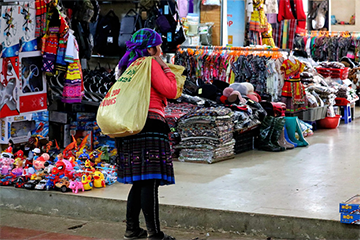
People trapped in forms of modern slavery
prevalence per 1,000 people
Vietnam is an Alliance 8.7 pathfinder country with commitments to create immediate and effective measures to eradicate forced labor, end modern slavery and human trafficking, and prohibit and eliminate the worst forms of child labor.
Human trafficking remains a critical concern in Vietnam, encompassing various forms such as forced labor, sexual exploitation, and trafficking of women and children across borders. Vietnam serves as a source, transit, and destination country for trafficking victims, often driven by factors like poverty, limited economic opportunities, and insufficient enforcement in vulnerable communities, particularly in rural and mountainous regions. Key hotspots include border provinces such as Lao Cai, Ha Giang, and Lang Son, as well as major cities like Hanoi and Ho Chi Minh City.
In recent years, Vietnam has intensified efforts to combat human trafficking. The country retained its Tier 2 status in the U.S. Trafficking in Persons (TIP) Report in 2024, indicating progress in addressing trafficking but recognizing ongoing challenges. The government has implemented a National Action Program on Human Trafficking Prevention and Control, prioritizing prevention, victim protection, and international cooperation. Partnerships between government agencies, local authorities, and non-governmental organizations play a vital role in addressing this issue.
Year FTS started working in Nepal
In Vietnam, Free the Slaves is working to tackle the multifaceted challenges of modern slavery. Our projects are designed to address immediate issues as well as build long-term resilience against the threats of bonded labor, trafficking, and other forms of slavery. Below, we spotlight our projects showcasing our comprehensive approach in Vietnam.
FTS and Hopebox Women’s Economic Empowerment Program
The program was designed to empower survivors with a holistic set of skills and knowledge, providing them with the essential tools for a successful transition into the workforce or entrepreneurship in the food and hospitality industry.
Project Dates: July 2021 – January 2022.
Project Partner: HopeBox
Project Impact: 5 women survivors were the beneficiaries
Local Partner

Related Blogs


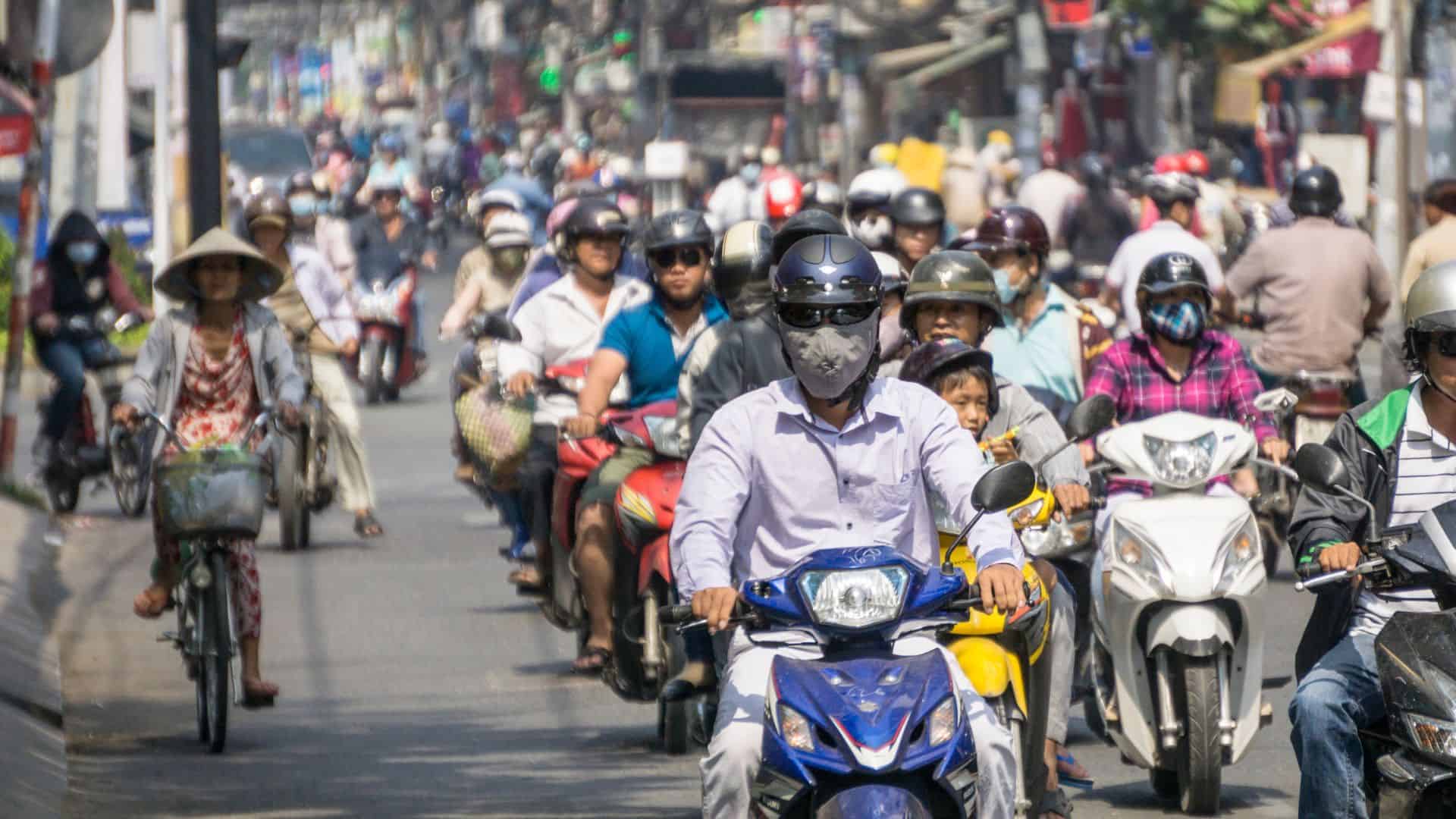
CLI Training Ba Vi Province
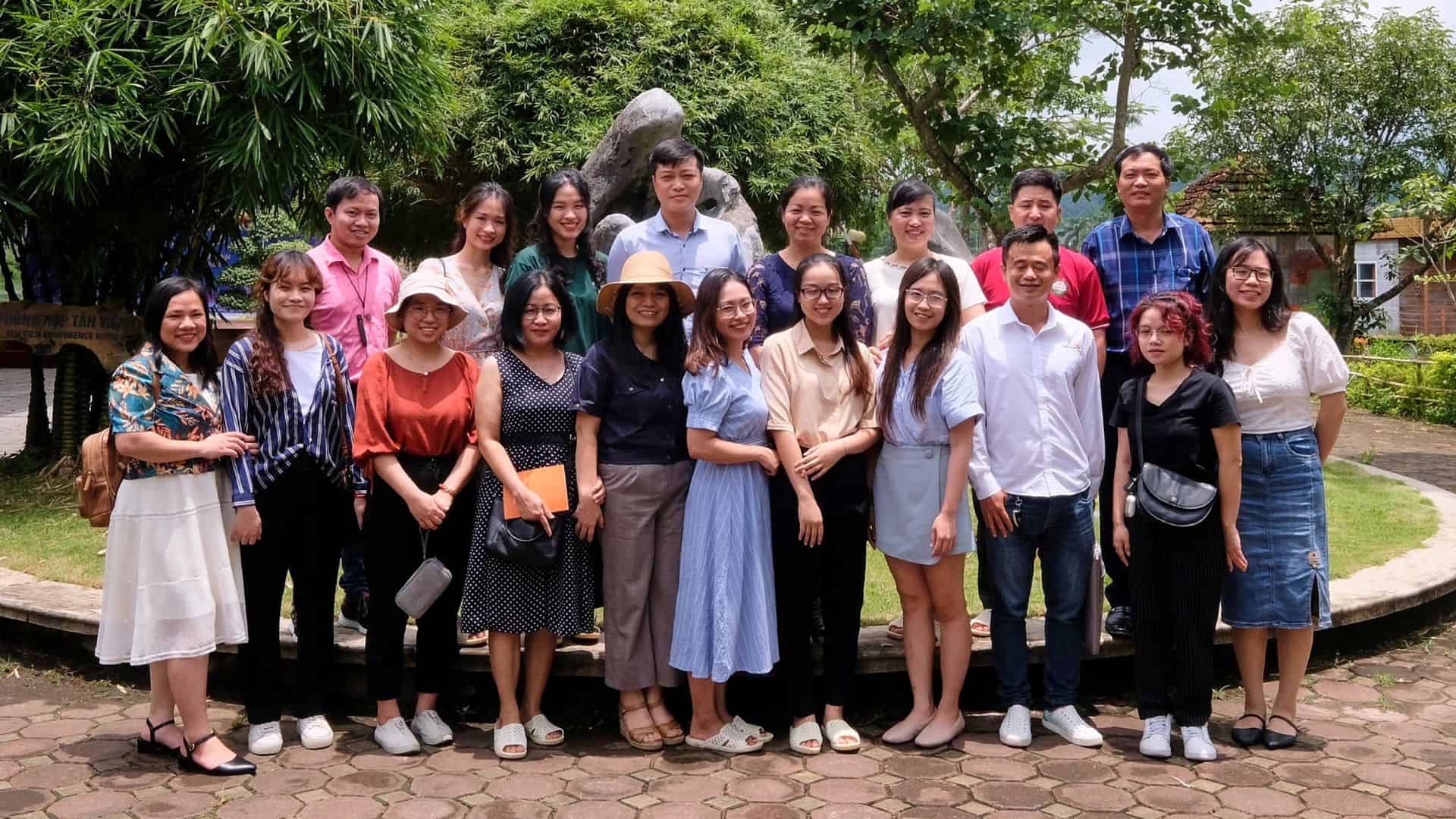
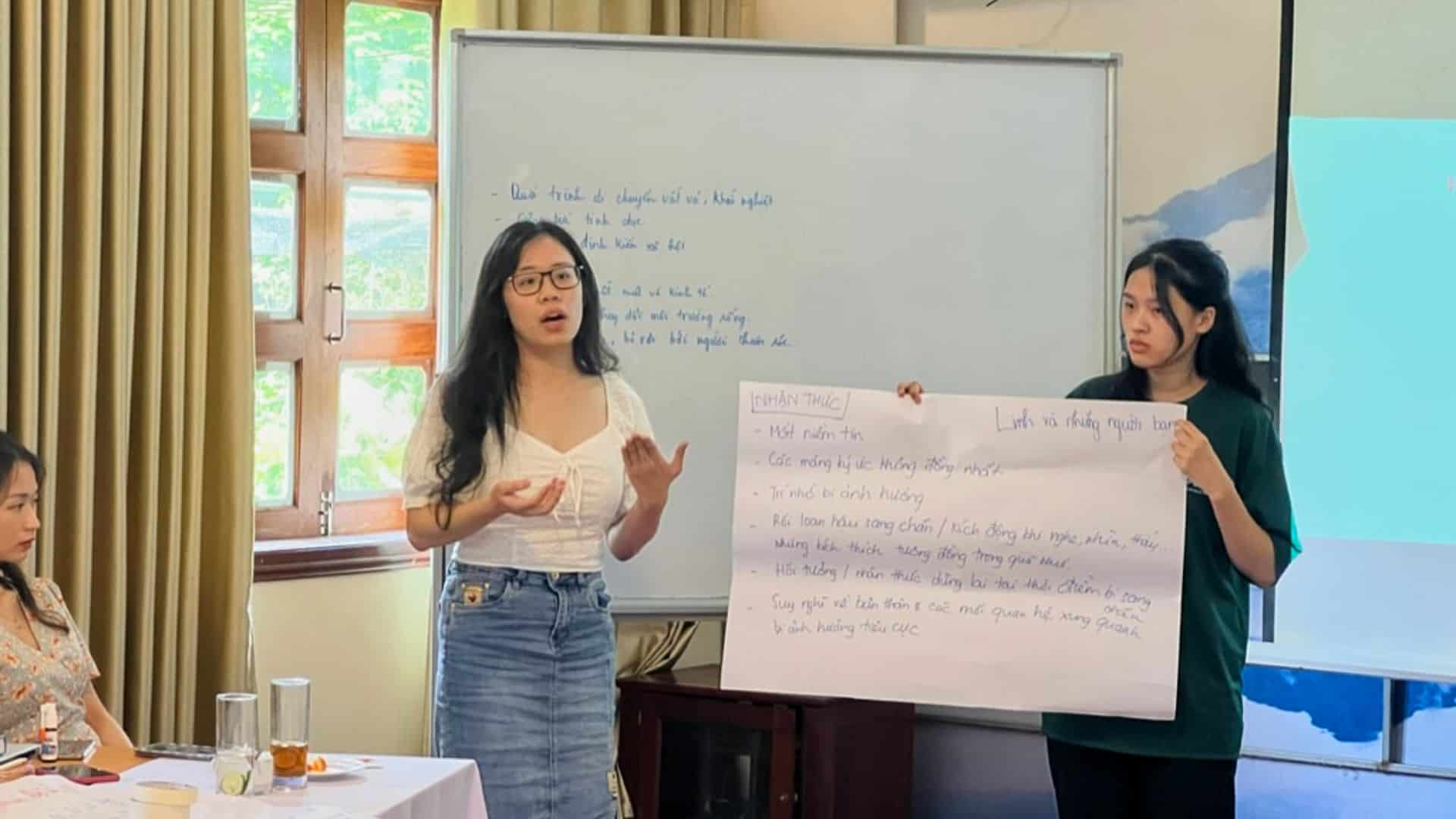
In July 2022, Free the Slaves conducted its first post-pandemic, in-person Community Liberation Toolkit (CLT) training in Ba Vi, Vietnam, equipping 14 local organizations with critical tools to combat human trafficking. In partnership with Hagar International, this initiative trained 16 frontline workers in identifying signs of modern slavery and providing trauma-informed care to survivors. The training emphasized localized strategies for survivor liberation, care, and reintegration—strengthening grassroots efforts to address exploitation and build community resilience.
Participants developed context-appropriate care standards and monitoring tools while deepening their understanding of collaboration with law enforcement and survivor-sensitive practices. The training helped build a network of capable, confident anti-trafficking leaders across Vietnam. As participant Nguyen Thi Le Na of World Vision Vietnam noted, “We are very thankful… this allowed us to become more confident in our work.” The CLT training not only enhanced capacity but also fostered solidarity among civil society actors—laying the foundation for more effective, sustainable anti-trafficking efforts in the region.
Project Dates: July 12 – 14, 2022
Local Partner

Related Blogs

FTS Strategy for Vietnam
Training and Capacity Building
The goal of training and capacity building activities of FTS in Vietnam is to empower stakeholders with knowledge and skills to become effective in responding to modern slavery gaps in their communities. In effect, FTS stakeholders in select hotspot communities will act with proper coordination of efforts in preventing slavery, human trafficking, and child labor. The communities will have observable achievement of decreased incidence towards issues surrounding modern slavery. This will be achieved through a multi-sectoral and well-coordinated approach through a series of training using FTS toolkit and CLT modules. FTS will approach with an understanding that it is best to engage in continuous capacity building based on gap analysis and capacity needs assessments to provide CLI training of relevance and foster long term relationships with stakeholders in synergistic learning. Outcomes of such training will be used in finetuning its interventions in future.
Partnerships and Services
Policy and Advocacy
FTS’ advocacy strategy will operate in supporting Vietnam as a pathfinder country and to ensure the government’s accountability and transparency towards pathfinder commitments through a well-coordinated and multi-sectoral approach with Vietnam Counter Trafficking Network and the Global Coordinating Group of Alliance 8.7.
Research
Vietnam’s Legal Framework on Modern Slavery
Vietnam has established a constitutional and legal framework that addresses multiple forms of modern slavery, including forced labor, child labor, human trafficking, and child marriage. While these laws represent important commitments to human rights and justice, challenges in enforcement and awareness remain significant.
2019 – Article 150 and 151 of the Penal Code https://english.luatvietnam.vn/resolution-no-02-2019-nq-hdtp-on-guidelines-for-application-of-article-170791-doc1.html
Better Work Vietnam Guide to Vietnam Labor Law: https://betterwork.org/wp-content/uploads/BWV_LLG-update_English_March-2017.pdf
Ordinance No. 10/2003/PL-UBTVQH11 of March 17, 2003, on preventing and combating prostitution: https://english.luatvietnam.vn/ordinance-no-10-2003-pl-ubtvqh11-of-march-17-2003-on-prostitution-prevention-and-combat-14749-doc1.html#:~:text=Agencies%2C%20organizations%2C%20individuals%20and%20families%20shall%20have%20to%20implement%20the,stringently%20according%20to%20law%20provisions.
Vietnam’s Progress as an Alliance 8.7 Pathfinder Country
Vietnam has been an Alliance 8.7 Pathfinder Country since 2018, showing strong national commitment to ending child labor, trafficking, and forced labor. Key priorities include engaging businesses through a National Child Labour and Business Forum, improving legal protections for minor workers, and expanding livelihood and education opportunities for vulnerable families. Communication strategies and awareness campaigns are being used to reach high-risk communities, particularly in remote and ethnic minority areas.
Since 2020, Vietnam has completed its second National Child Labour Survey, revised the Labor Code to align with international standards, and ratified ILO Convention 105 on forced labor. The government has strengthened inspection systems, improved vocational training, and enhanced outreach through the national child protection hotline. Through partnerships with civil society and the private sector, Vietnam continues to scale up models for prevention, early intervention, and survivor support.
Adoption of the revised Labour Code (2019), effective 2021, expands protection to workers in the informal sector and includes new chapters on minor workers.
The second National Child Labour Survey (NCLS) was completed in 2020.
Vietnam has enhanced its National Child Protection Hotline (111) by integrating services with Zalo, a widely used social media app, improving outreach to trafficking victims.
National Priorities as a Pathfinder Country Include:
Child Labor Prevention
Trafficking and Migration for Labor Exploitation
Child Labor and Education
Child Labor in Agriculture
FTS Staff for Vietnam

Kuldeep Singh Chauhan
Regional Director for Asia
kuldeep.chauhan@freetheslaves.net