
Blog
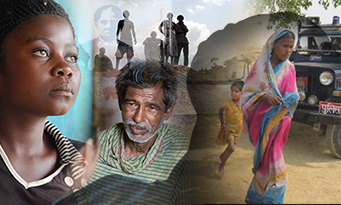

Community Safe Migration & Migrant Worker Protection Webinar
In September 2024, Free the Slaves and Verité hosted a webinar to share findings and lessons from the 19-month Fostering Fee Accountability and Cost Tracking (FFACT) Project, which tackled the complex issue of unsafe migration in South Asia. This event brought together 38 participants from India, Nepal, and Bangladesh to discuss solutions to safeguard migrant workers. The webinar also marked the first steps towards establishing a regional network for international migrants, set to launch in early 2025.
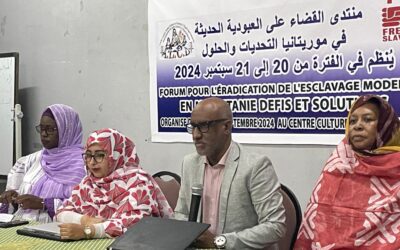
Strengthening the Fight Against Modern Slavery in Mauritania
In September 2024, Free the Slaves partnered with ALCD to host a two-day forum in Mauritania, bringing together government officials, civil society organizations, and community leaders to combat modern slavery. The forum provided a platform to analyze current legislation, identify challenges, and share best practices for eradicating forced labor, human trafficking, and child exploitation. With key insights from local campaigns and workshops, participants crafted actionable recommendations to strengthen regional efforts and address the root causes of modern slavery.
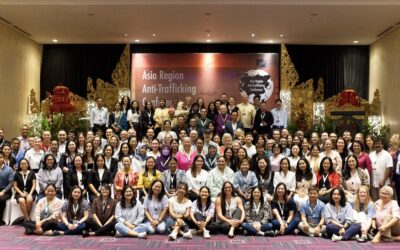
Free the Slaves’ Active Engagement in Key Regional Events In Asia
In July and August 2024, Free the Slaves participated in regional anti-slavery discussions in Asia, participating in key events focused on combating human trafficking and child exploitation. These events focused around collaboration and knowledge-sharing, addressing modern slavery in some of the most vulnerable regions of the world.
Get Involved
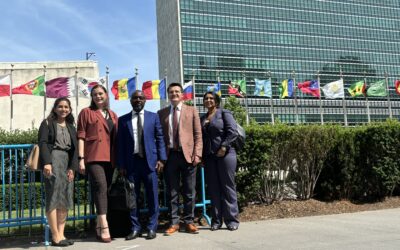
UN Security Council Research
On Tuesday, June 4th, Free the Slaves and the University of Nottingham Rights Lab launched their joint report, “Modern Slavery and the United Nations Security Council” at the Church Center for the United Nations in New York, New York. This exciting event began at 2 PM...
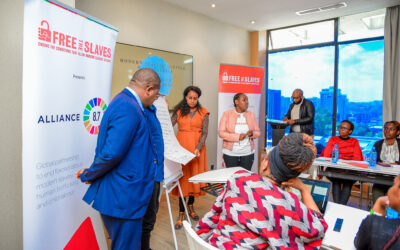
Empowering Partnerships: Free the Slaves Impact in East and Central Africa
In the fight against modern slavery, collaboration is paramount. Nowhere is this more evident than in the efforts of Free the Slaves in East and Central Africa, where partnerships between civil society organizations and the government are paving the way for impactful...
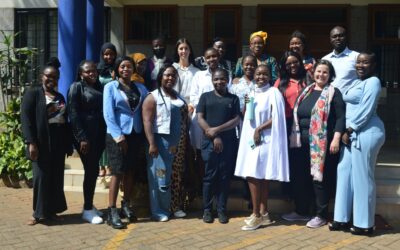
Survivors and Organizations Engaging Together Against Human Trafficking
Last year, Free the Slaves (FTS) and Awareness Against Human Trafficking (HAART) initiated a research project on survivor engagement in Eastern and Central Africa. Moving from the consideration that the engagement of survivors in the anti-trafficking movement still...
Our Work
Free the Slaves’ Active Engagement in Key Regional Events In Asia
In July and August 2024, Free the Slaves participated in regional anti-slavery discussions in Asia, participating in key events focused on combating human trafficking and child exploitation. These events focused around collaboration and knowledge-sharing, addressing modern slavery in some of the most vulnerable regions of the world.
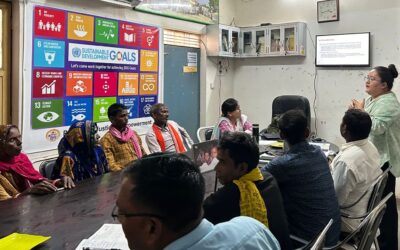
Training Transforms Survivors into Leaders in the Movement Against Modern Slavery
Survivors are now stepping into leadership positions, forming networks, and establishing organizations to lead the movement against trafficking and modern slavery. Both international and national organizations are playing a vital role in supporting these survivor networks through capacity-building and awareness-generation activities.
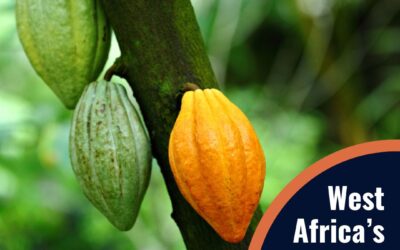
Harsh Realities of Forced Labor and Child Labor in West Africa’s Cocoa Industry
The newly released reports on Nigeria and Ghana offer an in-depth examination of how forced labor and child labor continue to underpin cocoa production in these countries. Despite being among the top cocoa producers globally, Nigeria and Ghana have long struggled with the dark side of this industry.
News
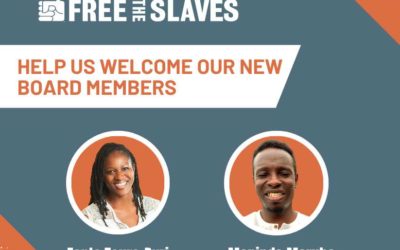
Free the Slaves Welcomes New Board Members
Free the Slaves is grateful to welcome Fanta Toure-Puri and Moninda Marube to our board of directors.
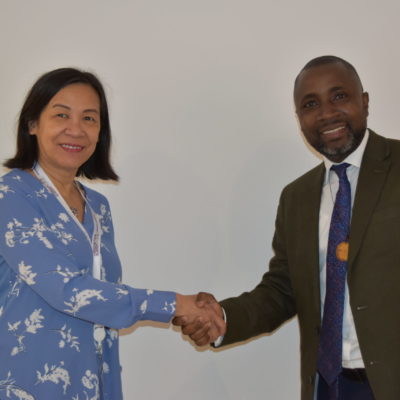
Free the Slaves Partners with Three New Organizations in Vietnam
Free the Slaves is excited to announce our new partnerships in Vietnam. These partnerships will allow us to understand more about the country and its need to have more players in the human trafficking space. These partnership endeavors are essential for developing...
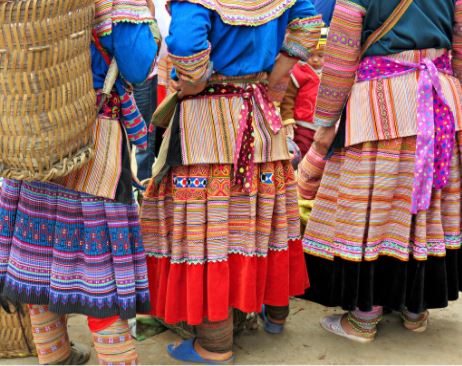
FTS Executive Director Expresses Support for Panagtapok 2022
There is power in the collaboration and action of dedicated leaders to address societal issues. This was clearly achieved when more than 200 leaders from the Philippines gathered together in the Panagtapok 2022 (which translates to 'a gathering' in English). The event...
Americas
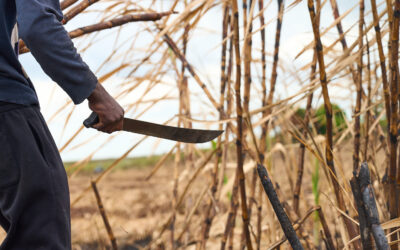
The Fight Against Human Trafficking: The Pursuit of Justice in the Dominican Republic
The Fight Against Human Trafficking and the Pursuit of Justice in the Dominican Republic. In the lush landscapes of the Dominican Republic (DR), a country celebrated for its beautiful beaches and vibrant culture, lies an insidious issue that casts a dark shadow: human...
Hope Amid Crisis in Haiti
You have probably seen in the news that Haiti is facing a crisis with multiple layers: political instability, a natural disaster, economic uncertainty, food shortages, and kidnappings for ransom. The president was assassinated, a 7.2 earthquake killed more than 2,000...
Joint Statement and Call to Action on the Crisis in Haiti
In response to the crisis in Haiti, which has deepened in the wake of the assassination of President Jovenel Moïse, we, the undersigned individuals and organizations, express our condolences and sympathy to all of the Haitian families that have lost a loved one to the...
Asia
Community Safe Migration & Migrant Worker Protection Webinar
In September 2024, Free the Slaves and Verité hosted a webinar to share findings and lessons from the 19-month Fostering Fee Accountability and Cost Tracking (FFACT) Project, which tackled the complex issue of unsafe migration in South Asia. This event brought together 38 participants from India, Nepal, and Bangladesh to discuss solutions to safeguard migrant workers. The webinar also marked the first steps towards establishing a regional network for international migrants, set to launch in early 2025.
Training Transforms Survivors into Leaders in the Movement Against Modern Slavery
Survivors are now stepping into leadership positions, forming networks, and establishing organizations to lead the movement against trafficking and modern slavery. Both international and national organizations are playing a vital role in supporting these survivor networks through capacity-building and awareness-generation activities.
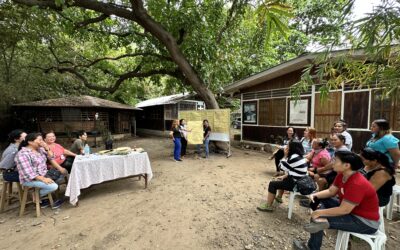
Strengthening Survivor Voices: Training with Survivor Groups in the Philippines
This initiative represents more than just empowerment; it is about creating leaders who can drive meaningful change in their communities and inspire others to join the fight against human trafficking. By focusing on survivor leadership, we are building a movement that is rooted in the experiences and voices of those who have lived through the horrors of trafficking, ensuring that their insights guide our collective efforts to end modern slavery.
Africa
Strengthening the Fight Against Modern Slavery in Mauritania
In September 2024, Free the Slaves partnered with ALCD to host a two-day forum in Mauritania, bringing together government officials, civil society organizations, and community leaders to combat modern slavery. The forum provided a platform to analyze current legislation, identify challenges, and share best practices for eradicating forced labor, human trafficking, and child exploitation. With key insights from local campaigns and workshops, participants crafted actionable recommendations to strengthen regional efforts and address the root causes of modern slavery.
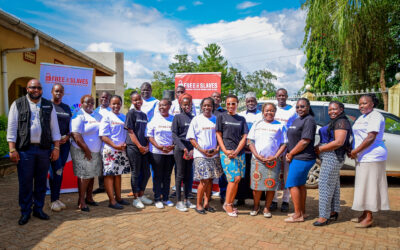
Advancing Survivor Leadership in the Fight Against Modern Slavery
Our approach to survivor engagement is rooted in collaboration, demonstrating the power of collective action in the fight against modern slavery. By creating spaces where survivors can lead and advocate for their rights, we not only empower individuals but also strengthen global efforts to end modern slavery.
Harsh Realities of Forced Labor and Child Labor in West Africa’s Cocoa Industry
The newly released reports on Nigeria and Ghana offer an in-depth examination of how forced labor and child labor continue to underpin cocoa production in these countries. Despite being among the top cocoa producers globally, Nigeria and Ghana have long struggled with the dark side of this industry.