
Strengthening Regional Collaboration at the ARAT Conference, Bali (July 23-25, 2024)
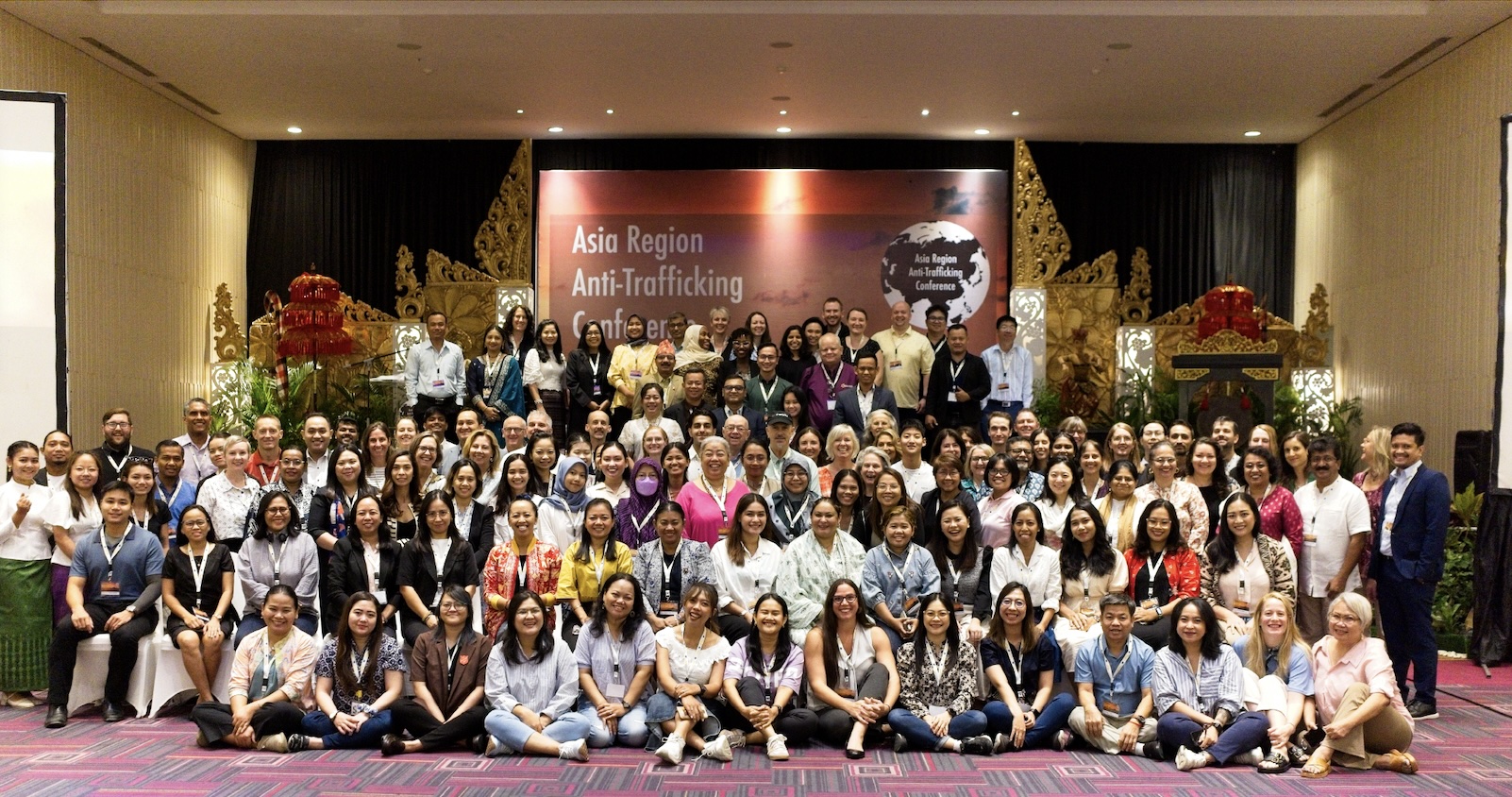
The annual ARAT (Anti-Slavery, Rights, and Trafficking) Conference held in Bali, Indonesia, brought together participants from across Asia, including representatives from Thailand, Indonesia, Nepal, India, Bangladesh, the Philippines, Mongolia, Cambodia, and Malaysia. In addition, experts from North America, Europe, and Africa also attended.
Free the Slaves was represented by its Senior Program Manager for Research, who led a research-based panel discussion. This session provided attendees with a deep dive into Free the Slaves’ mission, ongoing activities in the Asia region, and, notably, a comprehensive presentation of the organization’s research on the intersection of climate change and human trafficking in the Philippines.
The panel attracted a diverse audience, including academics from Asian, American and European universities, and representatives from civil society organizations (CSOs) and non-governmental organizations (NGOs). Discussions confirmed the relevance of the research, particularly in light of the growing impact of climate change at the community level, which exacerbates vulnerability to human trafficking. This initial research in the Philippines marks an important step forward, as Free the Slaves continues to explore the links between environmental degradation and human trafficking, engaging with partners to tackle these emerging challenge.
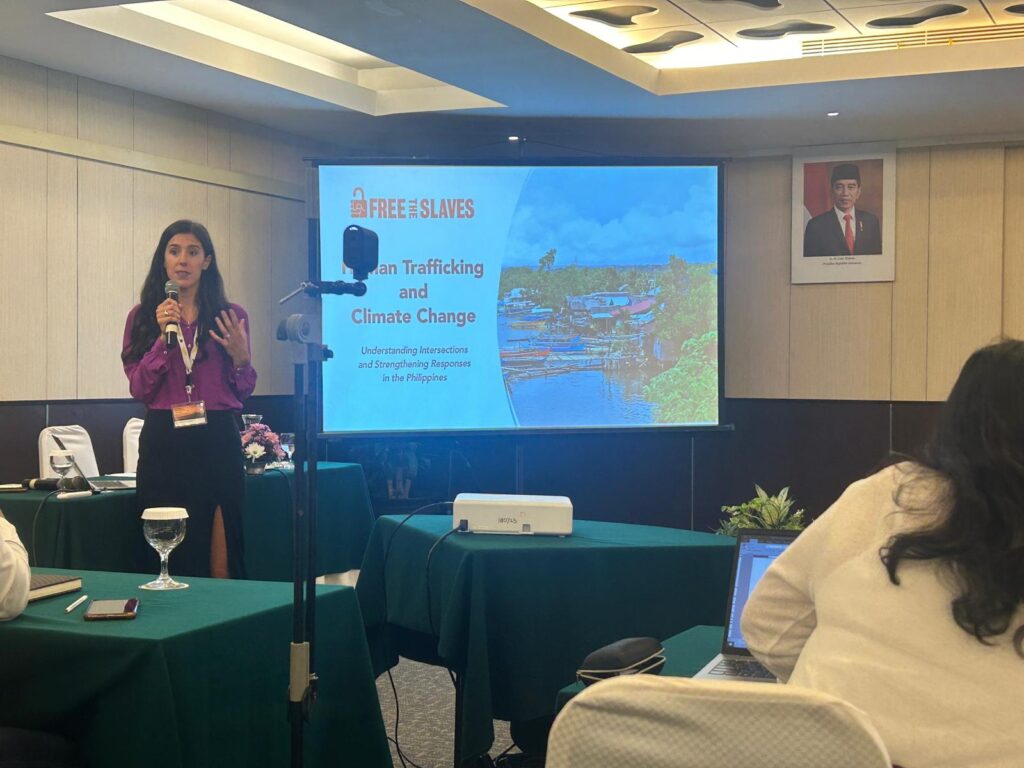
Photo Credit: ARAT
Advocating for Child Protection at ECPAT’s Collective Action Workshop, Kathmandu (August 27-30, 2024)
Following the ARAT Conference, Free the Slaves participated in ECPAT’s Collective Action Workshop to End Child Sexual Abuse and Exploitation in Kathmandu, Nepal. The event included practitioners from across South Asia—including Nepal, India, Bangladesh, Sri Lanka, Pakistan, and Afghanistan—who shared best practices, lessons learned, and innovative approaches to protecting children from sexual exploitation.
Representing Free the Slaves, the Senior Program Manager for Research participated in interactive sessions that focused on child protection in vulnerable communities. These sessions allowed Free the Slaves to share insights from its work on advancing children’s rights and fostering resilience in communities facing high risks of exploitation.
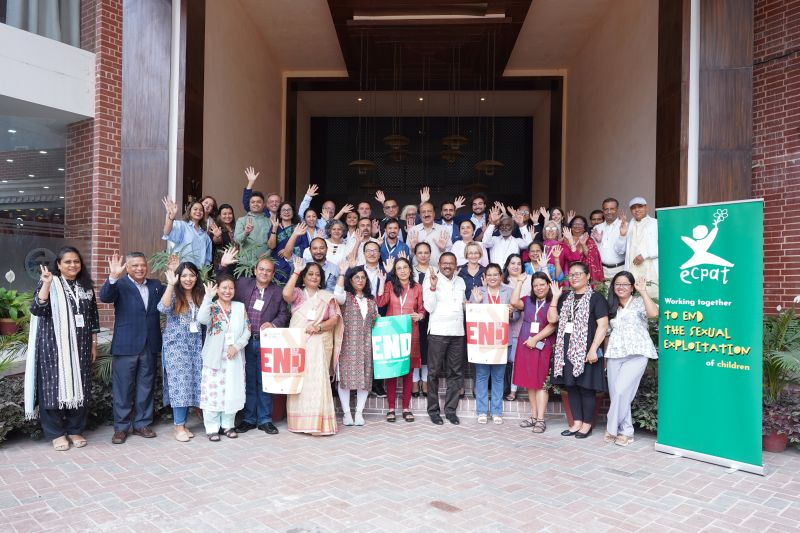
Photo Credit: ECPAT International
Key Outcomes and Next Steps
Free the Slaves’ involvement in these two events resulted in several notable outcomes:
- New Partnerships: The organization established valuable new relationships with Asia-based NGOs and CSOs, creating opportunities for future collaboration on a wide range of topics, from human trafficking to child exploitation.
- Broader Knowledge Dissemination: FTS leveraged these platforms to expand awareness of its work in the Asia region, sharing research findings and lessons learned with both long-standing and new partners.
- Enhanced Understanding of Regional Trends: Through active participation in these forums, Free the Slaves gained deeper insights into human trafficking trends in Asia, including forced labor in online scams, forced criminality, child sexual exploitation in informal hospitality sectors, and forced marriages.
As Free the Slaves continues its mission to combat modern slavery, these regional engagements underscore the importance of building local networks and sharing knowledge across borders. The organization remains committed to working closely with partners in Asia to address the root causes of vulnerability and to drive systemic change in the fight against human trafficking and exploitation.
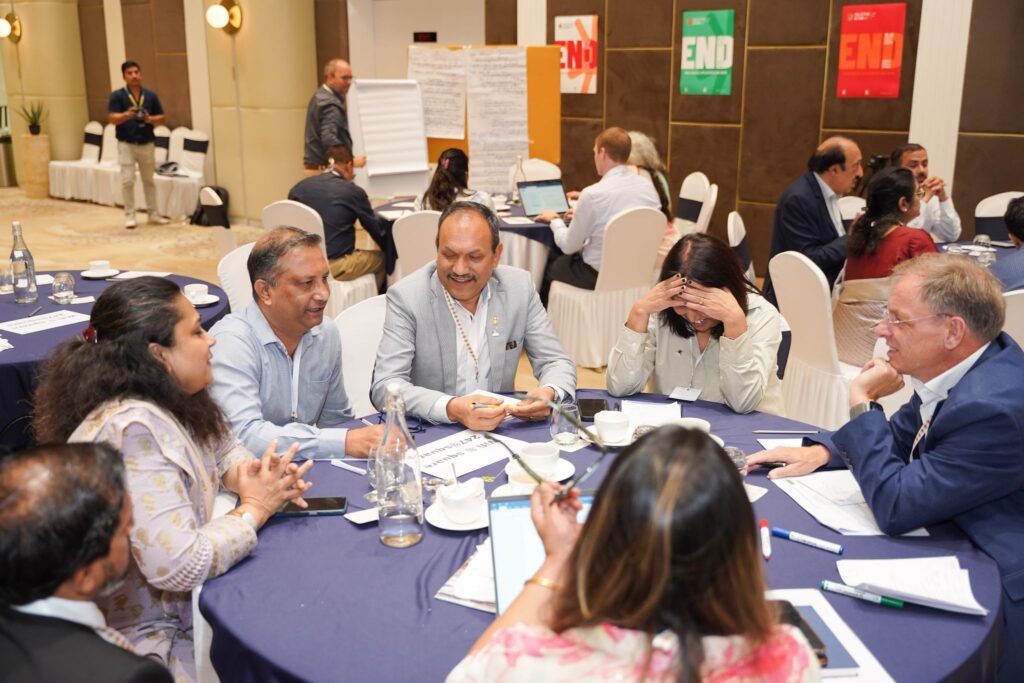
Photo Credit: ECPAT International
Photo Credit Top Featured Image: ARAT