Home Page

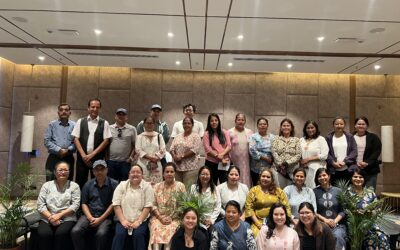
Migrant Vigilance Committees: A Sustainable Model for Migrant Safety

Migrant Vigilance Committees: A Sustainable Model for Migrant Safety

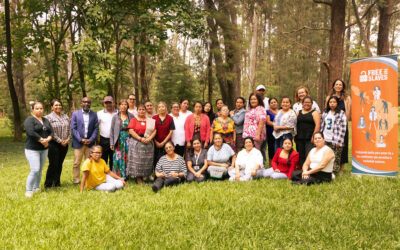
Across communities in India, Migrant Vigilance Committees are helping families move from fear to informed action. Through community-led monitoring and practical tools like SAFE TIPS, Free the Slaves and local partners are strengthening safer migration pathways while empowering parents, protecting workers, and ensuring that migration decisions are rooted in knowledge, dignity, and choice.

read more
From Knowledge to Action: Strengthening Bolivia’s Network Against Trafficking and Forced Labor

From Knowledge to Action: Strengthening Bolivia’s Network Against Trafficking and Forced Labor

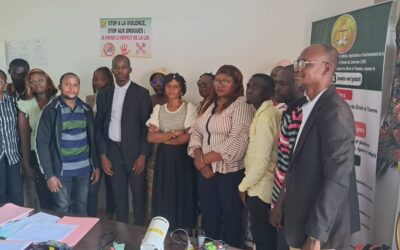
In October 2025, Free the Slaves partnered with Conexión and the Bolivian Network Against Trafficking and Smuggling of Persons to strengthen national responses to labor trafficking and forced labor. Through a hybrid training process combining virtual learning, in-person workshops, and ongoing mentorship, civil society organizations across Bolivia built practical tools, shared strategies, and deepened coordination to better identify victims and protect rights.

read more
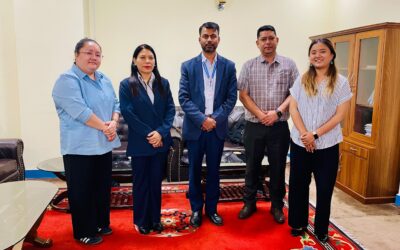
FTS and DOJ–IACAT Convene National Roundtable to Strengthen Action Against Labor Trafficking in the Philippines

FTS and DOJ–IACAT Convene National Roundtable to Strengthen Action Against Labor Trafficking in the Philippines

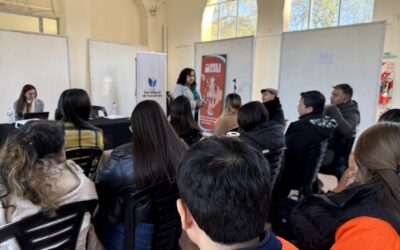
A multi-sectoral roundtable convened by Free the Slaves and the DOJ–Inter-Agency Council Against Trafficking brought together government agencies, civil society, international partners, and survivor leaders to strengthen the Philippines’ response to labor trafficking. The discussion highlighted evolving trafficking trends, operational challenges, and survivor-led recommendations that will guide future inter-agency collaboration and national strategies.

read more
Strengthening Judicial Response to Trafficking in Persons in Trinidad and Tobago

Strengthening Judicial Response to Trafficking in Persons in Trinidad and Tobago

Free the Slaves collaborated with the Judiciary of Trinidad and Tobago and the Judicial Education Institute to convene a two-day sensitization workshop on trafficking in persons. The workshop brought together judges, magistrates, and court officers to strengthen judicial capacity, deepen understanding of legal and institutional frameworks, and advance survivor-centered approaches in trafficking adjudication. This marks a significant step in improving justice outcomes for survivors and supporting effective prosecution of trafficking in persons in Trinidad and Tobago.

read more
Kenyan Trafficking Survivors Lead Landmark Legal Action to Advance Safer Migration and Accountability

Kenyan Trafficking Survivors Lead Landmark Legal Action to Advance Safer Migration and Accountability

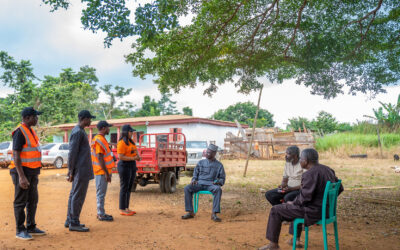
In Kenya, survivors of trafficking are leading a landmark push for safer migration. Free the Slaves and Kituo cha Sheria, together with Haki Jamii Rights Centre and 12 survivor petitioners, are pursuing a public-interest case calling for stronger protections for Kenyan migrant workers—especially women employed as domestic workers in the Gulf. The case, grounded in lived experience and survivor testimony, exposes systemic gaps in recruitment, oversight, and worker protection, and seeks long-term reforms that ensure dignity, accountability, and safety for all Kenyans working abroad.

read more
Rallying for Urgent Action: Free the Slaves Convenes Strategic Meeting in Dakar

Rallying for Urgent Action: Free the Slaves Convenes Strategic Meeting in Dakar

Free the Slaves convened a high-level strategic meeting in Dakar to confront the rising crisis of sexual exploitation in the gold mining zones of Kédougou. The gathering brought together Senegalese authorities, international partners, and regional experts to strengthen coordination, accelerate protection efforts, and ensure survivor-centered support for the hundreds of girls and women affected. This meeting marks a critical step toward a unified, urgent response to a rapidly escalating humanitarian issue.

read more