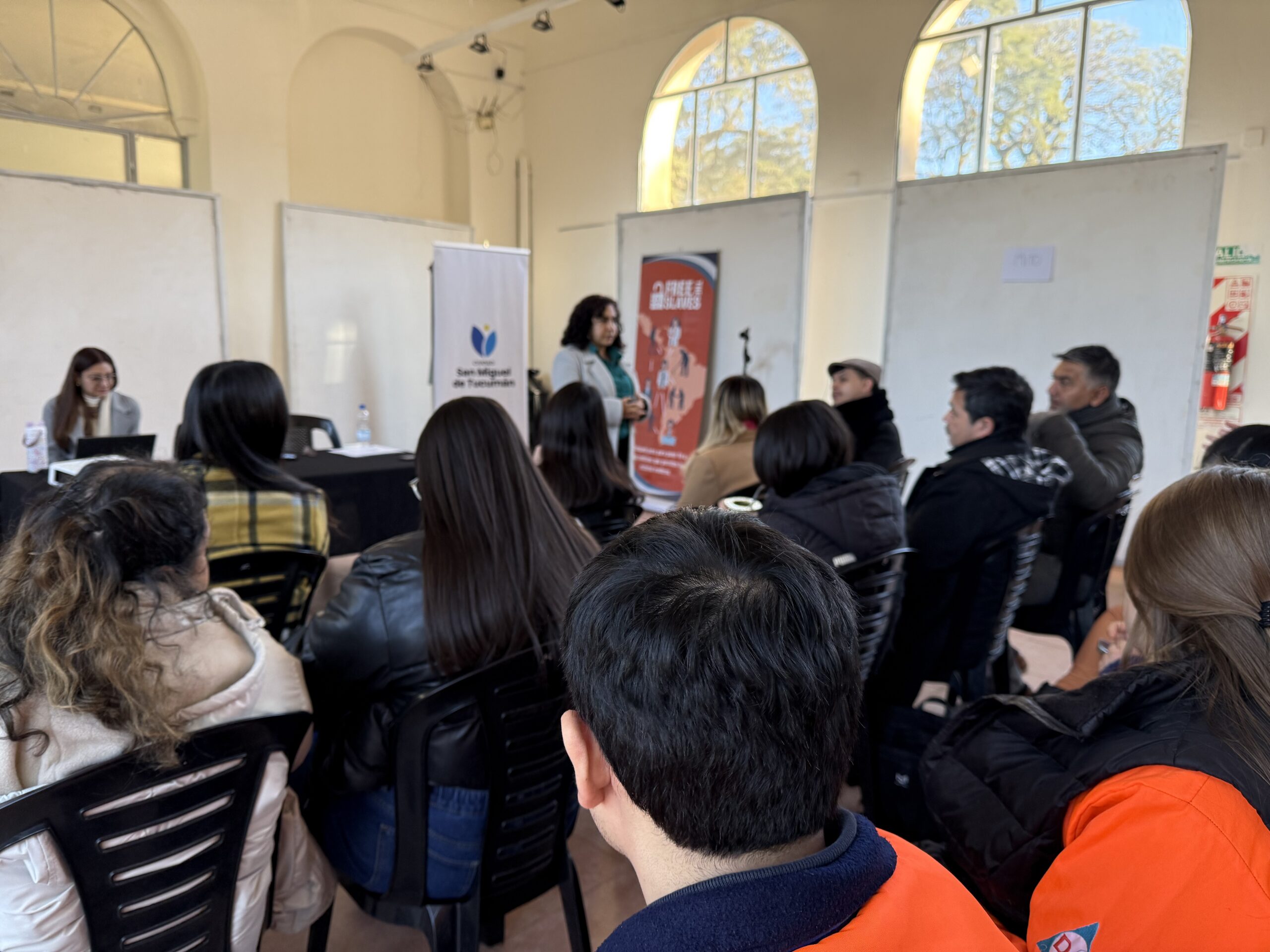

San Miguel de Tucumán, Argentina — On July 6, 2026, representatives from Free the Slaves (FTS), the United Nations Office on Drugs and Crime (UNODC), and authorities and technical teams from the Municipality of San Miguel de Tucumán came together for a validation workshop on the Local Roadmap Against Human Trafficking for Labor Exploitation and Forced Labor — a planning instrument built through months of participatory work.
The workshop is part of the project “Strengthening Local Governance Against Trafficking and Forced Labor in Tucumán, Argentina,” funded by Free the Slaves. The project’s goal is to build local government capacity to prevent and respond to human trafficking and forced labor through interinstitutional coordination mechanisms and training for municipal actors in planning and response processes. It is one piece of FTS’s broader regional strategy for Latin America, which supports local governments across the region as they build their own roadmaps against trafficking and forced labor — each one shaped by the realities and capacities of its own territory.

Representing FTS at the workshop were Cinthia Belbussi, Regional Director for Latin America; Rocío Urón Durán, UNODC coordinator for the Strategies for Subjects of Special Protection component for the Andean region and Southern Cone; and María Alejandra Calderón, technical advisor for the same component. The municipality was represented by Graciela Alejandra Trejo, Undersecretary of Inclusion and Gender; Rodrigo Gómez Tortosa, Municipal Secretary, along with technical teams and directors from several municipal departments. Dr. Laguna Mendoza, head of the Tucumán office of PROTEX (Argentina’s specialized anti-trafficking prosecutorial unit), also contributed to the process. 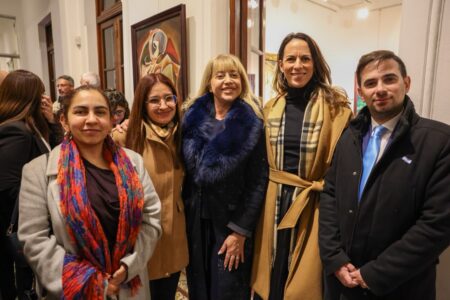 Throughout the day, municipal technical teams and authorities worked together to review the guidelines, roles, and coordination mechanisms proposed in the Roadmap — making sure the document reflects the capacities already in place, local priorities, and an approach centered on the rights and agency of people with lived experience of trafficking and forced labor.
“This validation is a concrete step toward a coordinated, sustainable local response, built together with those who carry the responsibility of implementing it day to day. The Roadmap is not a closed document — it’s a living tool that the municipality and its teams can continue to update as interinstitutional coordination takes hold.” — Cinthia Belbussi, Regional Director for Latin America, Free the Slaves
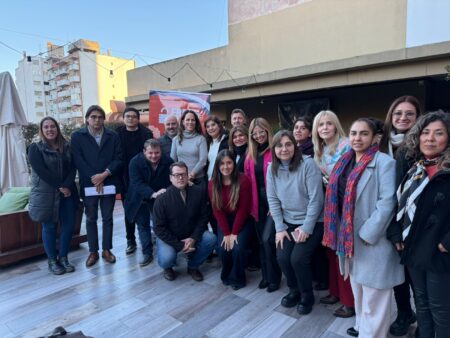 The workshop builds on other activities already underway as part of the project, including training sessions for municipal staff and partner organizations on trafficking indicators, survivor-centered approaches, and local coordination mechanisms, as well as mapping of local actors working on gender, labor, and social inclusion. With this validated roadmap in hand, San Miguel de Tucumán moves forward with a stronger local coordination mechanism — municipal actors better equipped to identify, prevent, and respond to human trafficking and forced labor, and a firmer institutional commitment to a rights-based approach grounded in the voices of survivors.
 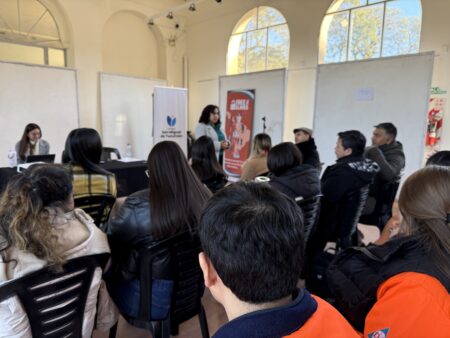 The following day, FTS and UNODC continued the work on the ground, training municipal employees who interact directly with the community in their daily roles — including teachers, nurses, and inspectors — along with community members themselves. These front-line workers are often the first to encounter warning signs of trafficking and forced labor, making their ability to recognize and respond to those signs a critical piece of the local coordination mechanism the Roadmap is designed to strengthen.