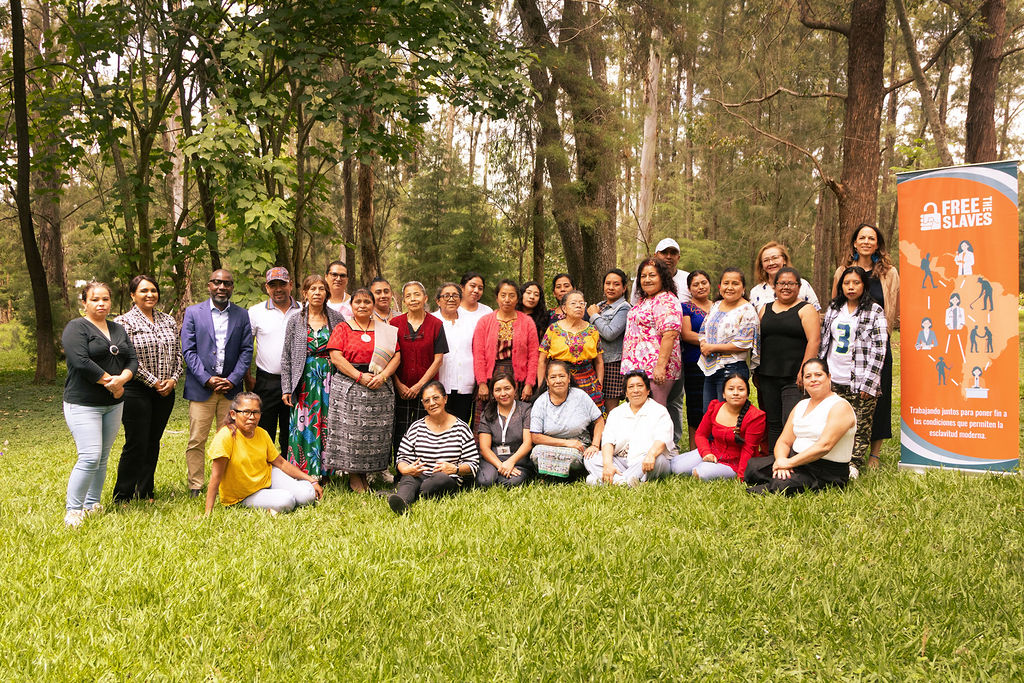

In one week in Guatemala City, survivor leaders completed an intensive training and started conversations on creating their own network, and a government secretariat signed a new commitment to coordinate against trafficking. Durable local structures, a survivor network taking shape, and an agreement signed are the foundation that enables the work of systemic change and growth long after the week itself ends. From July 10 to 16, 2026, Free the Slaves (FTS) brought survivors, government counterparts, and local partners together in Guatemala City for a week that included a full-day training with survivor experts and high-level meetings with the country’s Ministry of Labor and Social Welfare (MINTRAB) and the Secretariat Against Sexual Violence, Exploitation, and Trafficking in Persons (SVET). The week advanced Guatemala’s Roadmap for the Prevention and Eradication of Child Labor and its Worst Forms under Alliance 8.7 and opened the door to extending that collaboration in the future.
Impact at a Glance
• A letter of intent signed between FTS and SVET to coordinate trafficking prevention, training, and facilitate survivor participation.
• Continued survivor participation in Guatemala’s National Child Labor Prevention and Eradication Committee (PETI) was reaffirmed as part of the Roadmap development and implementation partnership
Equipping Survivors to Lead
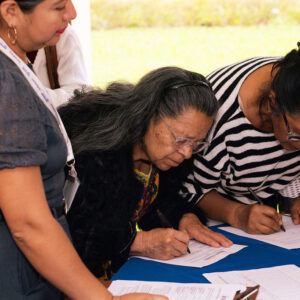
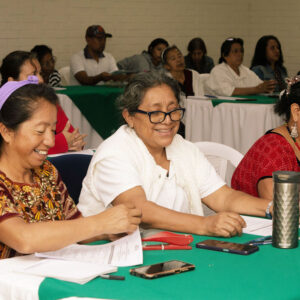
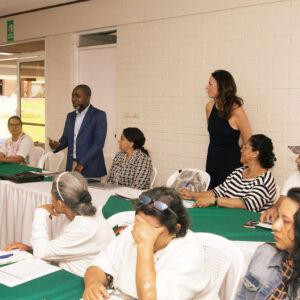
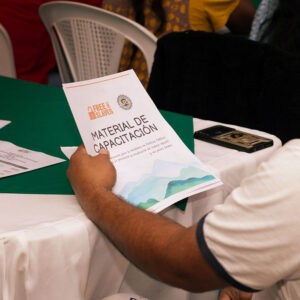
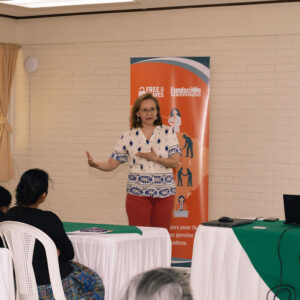
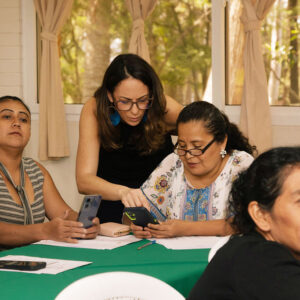
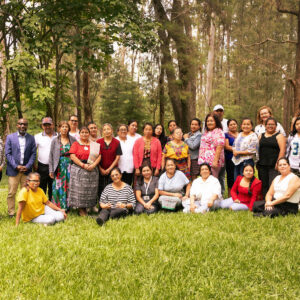
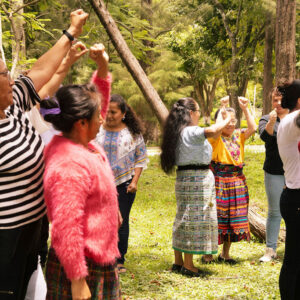
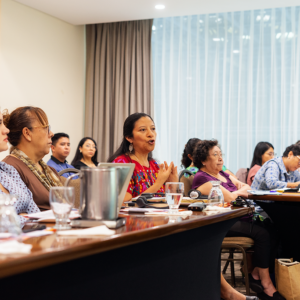
On Saturday, July 11, women with lived experience of Child Labor and Its Worst Forms gathered in Guatemala City for a full day of training in strategic communication for policy advocacy. Bukeni Waruzi, FTS’s Executive Director, opened the session, welcoming participants and framing the day’s goal: strengthening survivors’ ability to shape the public policies that affect them. Cinthia Belbussi, Carolina Quinteros, and facilitator Aura Rodríguez led modules on building a survivors’ network, strategic communication and narrative-building, oral communication, and spokesperson skills. These sessions included simulated media interviews, visual storytelling, and ethical documentation, and the strategic use of social media and free digital design tools.
The workshop centered on practice-based skill development: participants designed advocacy campaigns grounded in real cases from Guatemalan municipalities, rehearsed media interviews with peer feedback, and produced their own photographs and social media content documenting Child Labor prevention efforts in their communities. By the end of the day, the Child Labor Survivors Network, a self-sustaining structure that survivors will lead going forward, was initiated. The training builds directly on the recommendations these survivor experts presented to Guatemala’s Ministry of Labor in May, turning a single moment of testimony into an ongoing platform for advocacy.
Strengthening Relationships with Government
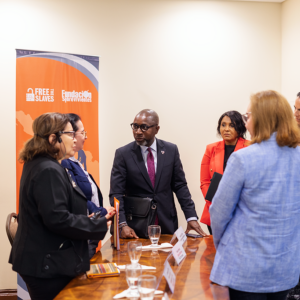
On Monday, July 13, Bukeni Waruzi, Marie-Hélène Bouchard, Cinthia Belbussi, and Carolina Quinteros met with senior Guatemalan officials to advance the Alliance 8.7 Roadmap. At MINTRAB, the delegation met with the Vice Ministry of Social Welfare to deepen the technical partnership already agreed under the Roadmap revision, including continued survivor participation in the Child Labor Prevention and Eradication Committee (PETI) and follow-up on the recommendations survivor experts brought to the Ministry in May.
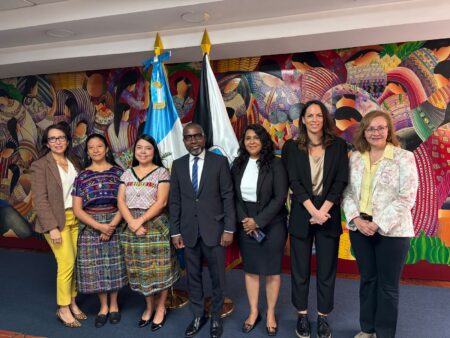
Bukeni Waruzi, Marie Hélène Bouchard, Cinthia Belbussi, and Carolina Quinteros of Free the slaves meet with Guatemala Vice Minister on Social Welfare, Claudia Peneleu, Director of Social Welfare Dorotea Gómez, and Director of International Cooperation Carolina Orozco.
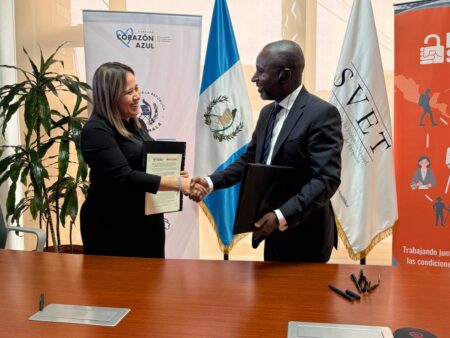
The delegation also met with Fundación Sobrevivientes, a longstanding local partner, and separately with SVET, where Free the Slaves signed a letter of intent to coordinate on preventing and responding to Human Trafficking in Guatemala; a first formal step toward a broader partnership that spans Human trafficking, Forced Labor and Modern Slavery. The day closed with an informal meeting between Free the Slaves and the Minister and Vice Minister of Labor, during which they reaffirmed their shared commitment to turning agreements into action.
Bringing Government Stakeholders Together
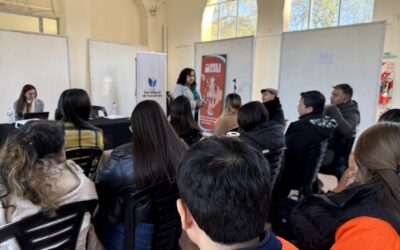
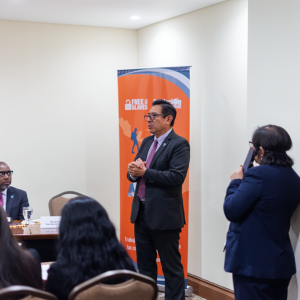
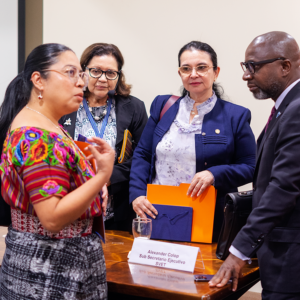
On Tuesday, July 14, Free the Slaves convened an inter-institutional meeting, bringing key government stakeholders on Child Labor into the same room. Vice Minister of Previsión Social y Empleo, Claudia Peneleu, Vice Minister of Labor Administration, Damarys Oliva García, and SVET Deputy Executive Secretary, Alexander Colop, opened the session. Bukeni Waruzi then presented Free the Slaves’ work in Guatemala: its context and its results related to Child Labor and Its Worst Forms under Alliance 8.7. He also advocated for expanding the Roadmap’s scope to cover the full spectrum of exploitation addressed by Alliance 8.7 agreements, the eradication of Child Labor, Forced Labor, Human trafficking, and Modern Slavery. Dorotea Gómez, General Director of Social Welfare at MINTRAB and Focal Point for Alliance 8.7, followed with a presentation on Guatemala’s progress on Child Labor and its Worst Forms and the country’s institutional leadership within Alliance 8.7. The meeting closed with a discussion among participants to identify points of inter-institutional coordination and possible synergies going forward.
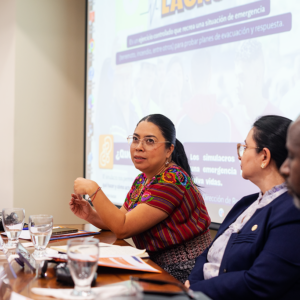
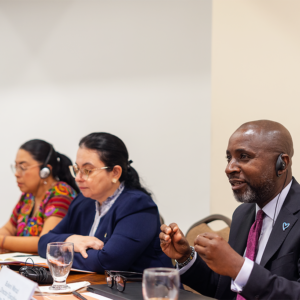
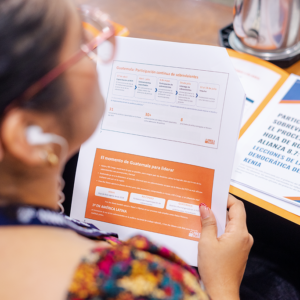
On Wednesday, July 15, the delegation joined an event where MINTRAB, together with the International Labour Organization (ILO), presented an updated version of the Model for Identifying Child Labor Risk (Modelo de Identificación del Riesgo de Trabajo Infantil, MIRTI). The tool draws on socioeconomic and household data to identify the municipalities most likely to have child labor, helping target prevention strategies where they are needed most. Women experts with lived experience joined the delegation at the event.
Looking Ahead
Since Free the Slaves began engaging with Guatemala’s government in 2025, survivor experts have moved from consultation to direct participation: presenting their own recommendations to policymakers in May, joining the National Informational Fair for World Day Against Child Labor in June, and now completing an intensive training that strengthens their ability to advocate on their own terms. This progression — from testimony, to training, to a seat at the policymaking table — is the model FTS is building in Guatemala and across the region: survivor leadership that outlasts any single project cycle.
This week’s meetings pointed to concrete next steps, including a joint calendar of activities with the Ministry of Labor, continued progress toward closer cooperation with SVET, and the possibility of expanding the partnership to address Human Trafficking alongside Child Labor. With continued partnership and investment, Free the Slaves looks forward to deepening this work alongside Guatemala’s survivor leaders and government partners in the months ahead.