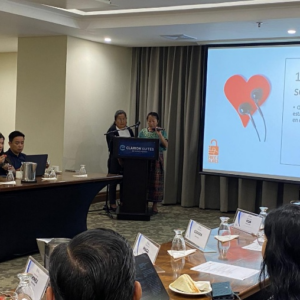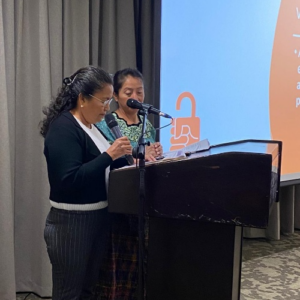

In May 2026, survivors of child labor in Guatemala stood before their government and spoke. With support from Free the Slaves, survivor representatives participated in a national policy dialogue convened by Guatemala’s Commission for the Prevention and Eradication of Child Labor (PETI), bringing their recommendations directly to the officials responsible for shaping national strategy. Their words carried the weight of lived experience: “We are survivors of child labor, and now we are adults. That is why we raise our voices.”
From Lived Experience to Legislative Voice
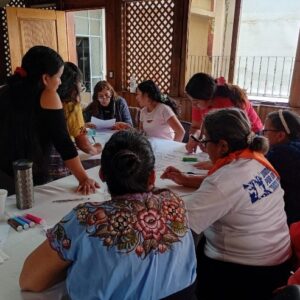
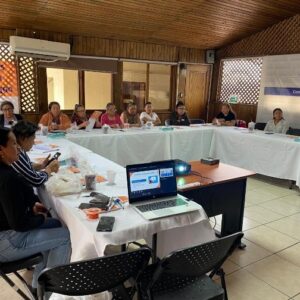
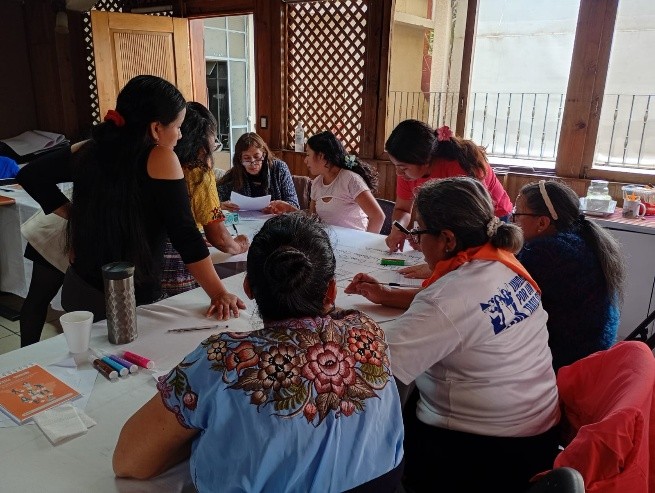
The preparation for this dialogue began months before anyone entered a government chamber. Over that time, survivor representatives from domestic work and agriculture, two of the sectors where child labor remains most prevalent in Guatemala, underwent intensive leadership training and policy preparation facilitated by Free the Slaves.
The preparation participants received went well beyond logistics. They learned how policy processes work, how to translate personal experience into concrete recommendations, and how to speak with authority about their own lives. They studied Guatemala’s existing legal frameworks, the country’s commitments under Alliance 8.7 (the global initiative to end modern slavery, human trafficking, forced labor, and child labor by 2030), and the structure of the upcoming National Strategy for the Prevention of Child Labor.
For survivors whose voices had so often gone unheard, this preparation was itself an act of recognition: that their knowledge mattered, that their insight was indispensable, and that no policy aimed at ending child labor could be complete without the input of those who had lived it. With a feeling of empowerment, a survivor shares, “At first I was nervous. But when I saw all the authorities in the room, I found my calm, I learned alongside my fellow survivors that we can participate and that our voices matter.”
For many participants, the preparation meant something beyond readiness. Their knowledge was being taken seriously, their insight treated as essential to solutions they had spent years living inside. No policy aimed at ending child labor could be complete without them, and this process was built on that understanding. One survivor described the experience: “At first I was nervous. But when I saw all the authorities in the room, I found my calm. I learned alongside my fellow survivors that we can participate and that our voices matter.”
Eight Priorities, One Vision
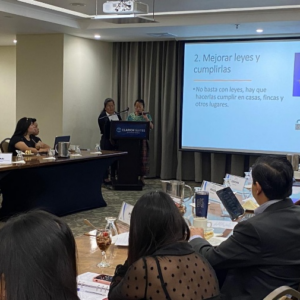
When the moment came to present before PETI, the survivor representatives came prepared. Their recommendations were specific, grounded in lived experience, and organized around eight priority areas:
- Survivor participation in policymaking: ensure that future strategies formally include survivors as consultants, reviewers, and decision-makers.
- Access to justice: address the systemic barriers that prevent survivors from pursuing legal recourse, including cost, geographic distance, and institutional distrust.
- Stronger legal implementation: strengthen enforcement mechanisms that give existing protections real power, so that laws against child labor translate into genuine accountability.
- Comprehensive care for survivors: provide holistic support systems that address survivors’ psychological, educational, and social needs alongside economic recovery.
- Prevention through education: keep children in quality schools and expand educational access in rural and Indigenous communities is one of the most powerful tools available.
- Accountability mechanisms: establish clear processes by which the government tracks commitments, reports progress, and faces consequences for inaction.
- Community-level awareness and engagement: build awareness and shift norms within families and communities, alongside legal reform.
- Ongoing survivor-government dialogue: sustaining structured dialogue between survivor voices and policymakers beyond this initial presentation.
This dialogue represents a significant milestone in survivor leadership and meaningful inclusion in public policy processes. Free the Slaves and its partners know that this milestone is a beginning, not an endpoint.
The recommendations presented to PETI represent a significant opportunity for Guatemala to build its National Strategy for the Prevention of Child Labor on the knowledge of those who lived it. That work requires sustained follow-up: continued meetings with government institutions, monitoring of how survivor input is reflected in policy drafts, and ongoing support for survivors as they take on deeper advocacy roles. A government official present at the session captured it directly: “Survivor participation can improve the design and implementation of public policies. Through their lived experience, they bring personal histories that strengthen the policies being developed.
Free the Slaves has committed to supporting this follow-up work. Survivor voices should shape Guatemala’s efforts to eradicate child labor at every stage, from strategy development through implementation and evaluation, and that sustained presence is what the FTS and our partners are working to build.
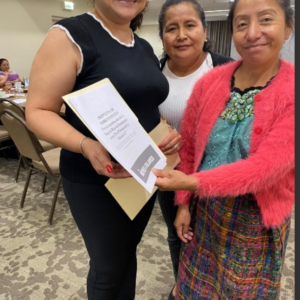
For many participants, this was the first time they had spoken directly with government officials about the realities they had endured. They came nervous and left having done something remarkable: sharing their experiences before public authorities, responding to questions, and formally submitting their recommendations to the Ministry of Labor. Their presence and leadership offered a direct demonstration of what inclusive policymaking can look like when survivor expertise is treated as a resource rather than an afterthought.