
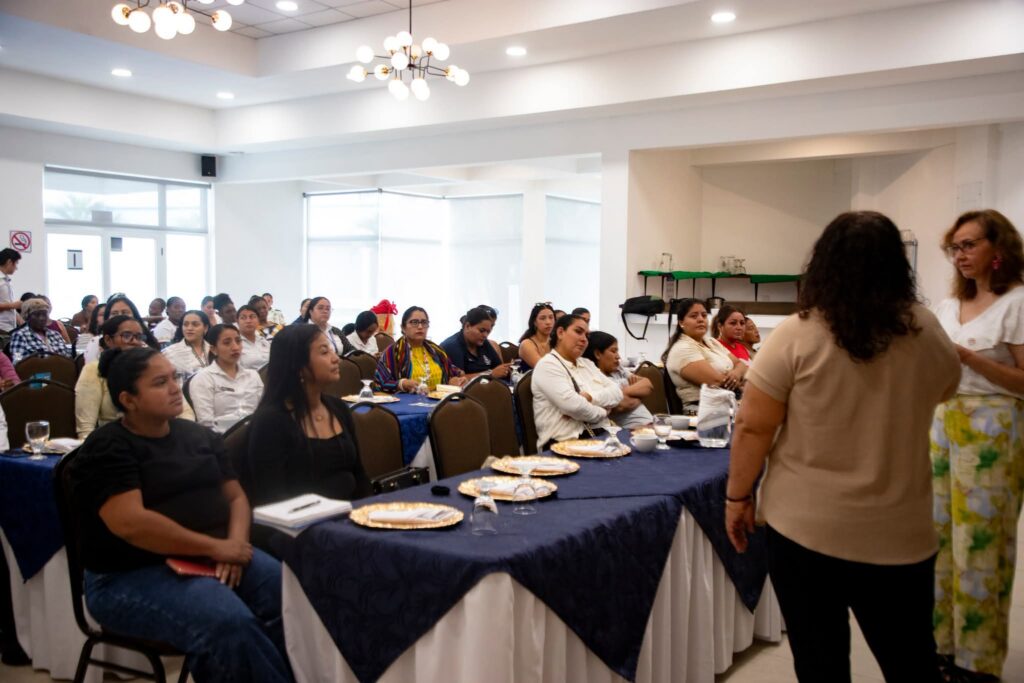
Participants in a session
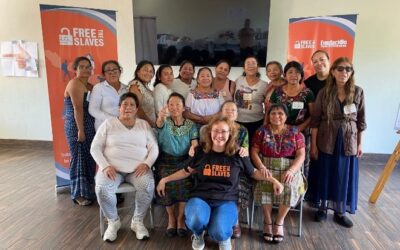
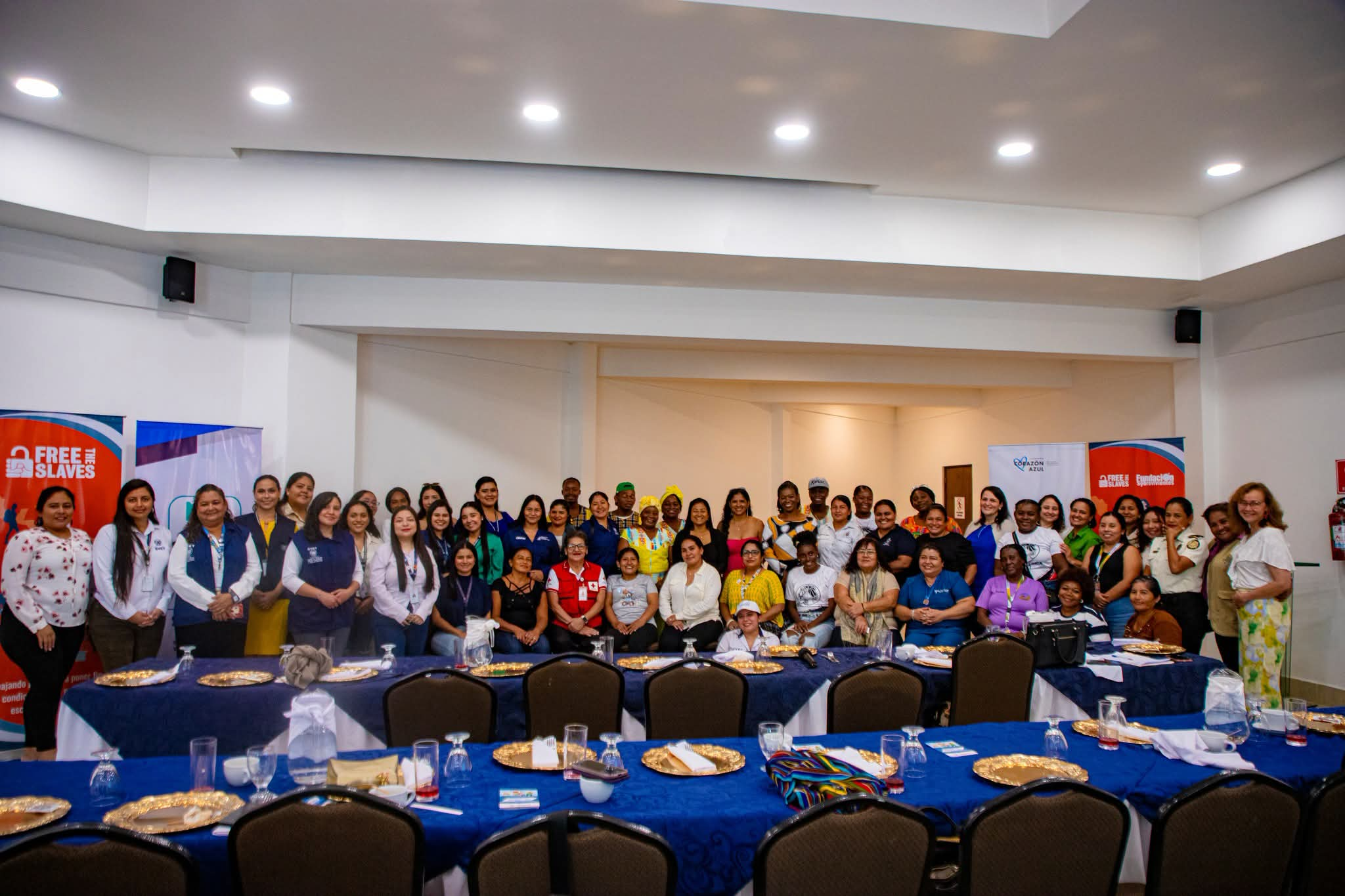
On October 28, 2026, 70 participants from Q’eqchi’ and Garifuna communities in Izabal, Guatemala, met to learn how to recognize labor exploitation and forced labor. They left with a clear task: to share what they learned with their own communities. The workshop, “Women’s Voices, Actions That Transform” (“Voces de mujeres, acciones que transforman”), was organized by Guatemala’s Secretariat against Sexual Violence, Exploitation and Trafficking in Persons (SVET) and Free the Slaves (FTS). The Izabal Banana Workers’ Union (SITRABI) also took part in the event.
Why community knowledge matters
Forced labor is easier to prevent when people know the warning signs and know where to get help. Community members who understand their labor rights can recognize exploitation early and pass that knowledge on to others. The workshop focused on human trafficking, with an emphasis on preventing labor exploitation and forced labor. It is part of FTS’s growing collaboration with SVET. In 2025, FTS began working with SVET to strengthen how trafficking in persons and modern slavery are addressed in Guatemala’s updated national Alliance 8.7 Roadmap.
Participants from Puerto Barrios, Río Dulce, and Livingston
Participants came from Q’eqchi’ and Garifuna communities in Puerto Barrios, Río Dulce, and Livingston. The Municipality of Puerto Barrios opened the event. SVET then presented its approach to human trafficking, with a focus on prevention and on protection against labor exploitation and forced labor. To close the session, a representative of the National Civil Police (PNC) explained the hotlines people can use to report trafficking cases in Izabal.
Learning from lived experience
For many participants, a highlight of the day was hearing from Carmen Molina of SITRABI. Carmen is a survivor of labor exploitation that she experienced as an adolescent, and she shared her own story with the group. Carmen spoke about a new survivor network, supported by FTS, that will help prevent exploitation and protect women. She welcomed the fact that women workers in Izabal are now part of these efforts. In her view, this work can change how employers think about their workers and strengthen advocacy with the government to end forced labor and child labor.
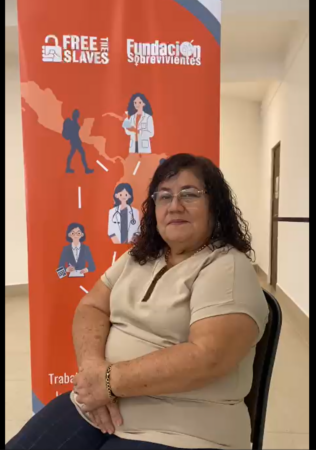
Carmen Molina, SITRABI
Looking ahead
Participants returned to Puerto Barrios, Río Dulce, and Livingston with practical knowledge about forced labor and how to report it. As they share that knowledge, more people in their communities will be able to recognize exploitation and seek help. Survivors like Carmen are helping to guide this work, including through the survivor network now taking shape in Guatemala.
Learn more about Free the Slaves’ work in Guatemala and how you can support survivor leadership at freetheslaves.net.