
In the shadows of Southeast Asia’s bustling cities and remote borderlands, a chilling new form of modern slavery is taking root: cyber scam centers. These fortified compounds trap thousands of people, forcing them into a sinister blend of human trafficking and online fraud. Lured by promises of legitimate jobs, victims find themselves ensnared in a high-tech nightmare, where technology and exploitation converge to devastating effect. Two recent podcast episodes from Free the Slaves (FTS)—one featuring Ling Li, a researcher and advocate, and the other with Jacob Sims, a visiting fellow at Harvard’s Asia Center and advisor at Humanity Research Consultancy (HRC)—pull back the curtain on this underreported crisis. Their insights reveal a sprawling, innovative criminal enterprise and the urgent need for bold solutions.
Cyber scam centers didn’t emerge overnight. As Ling Li explains, their origins trace back to Taiwan in the late 1990s, where early online fraud—like phone scams and fake lotteries—took shape. By the early 2000s, these operations shifted to mainland China, particularly Fujian province, run by family-based networks. Crackdowns by Chinese authorities pushed these groups into Southeast Asia by the 2010s, where weaker regulations and corrupt officials provided fertile ground. The turning point came between 2017 and 2019, when Cambodia’s Sihanoukville transformed into a hub for Chinese-run online gambling platforms. After Cambodia banned online gambling in 2019, these operators pivoted to full-scale scamming, militarizing their compounds and expanding globally. Today, countries like Cambodia, Myanmar, and Laos host hundreds of these centers, exploiting both technology and human lives. This shift from traditional slavery to a digital, transnational model marks a disturbing evolution—one that leverages the internet’s reach to maximize profit while hiding behind layers of complexity.
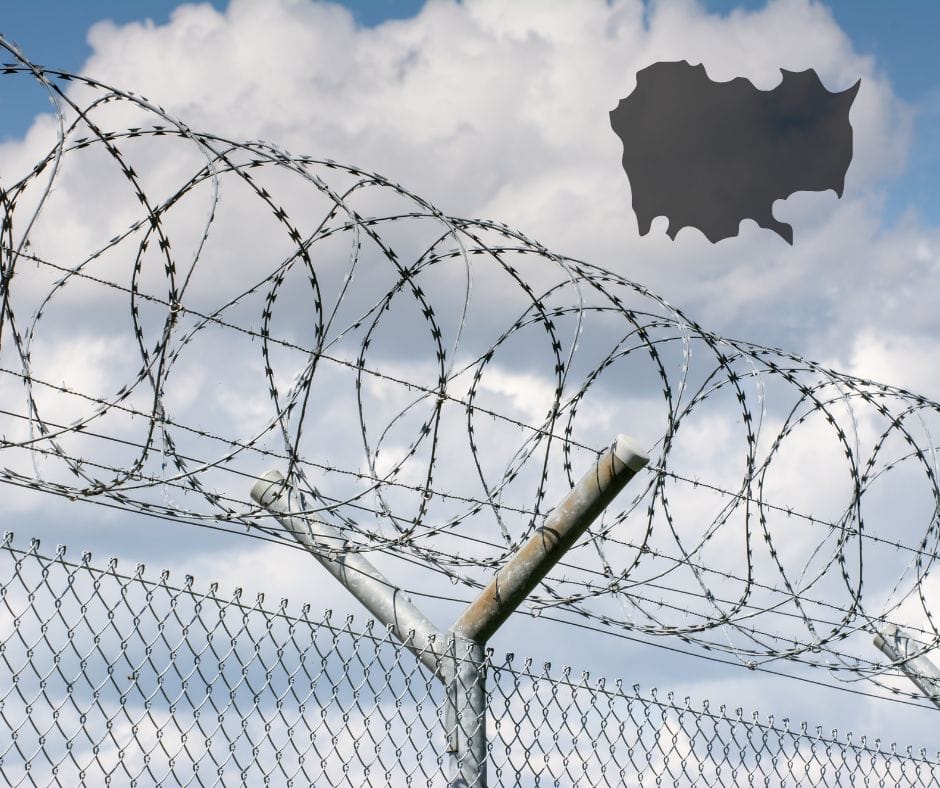
Step inside a scam compound, and you might mistake it for a legitimate business—at first. Ling Li describes a sophisticated organizational structure: departments for human resources, IT, logistics, and training mirror a typical call center or sales company. New recruits undergo intense onboarding, learning detailed scripts for scams like romance fraud, fake crypto investments, or impersonation schemes. Teams of 10-12 workers, led by supervisors, operate under strict quotas, with performance tracked meticulously. But the similarities to legal businesses end there. These compounds are locked down—barbed wire, armed guards, and constant surveillance ensure no escape. Workers, often deceived by fake job ads, have their passports confiscated and face 14-16 hour shifts. Missing quotas can mean beatings, torture, or being sold to another compound. An internal economy compounds the exploitation: basic necessities like food and water come with exorbitant fees, added to a worker’s “debt.” This debt bondage—a modern twist on an ancient slavery tactic—keeps victims trapped, unable to pay their way out.
The scale of suffering is immense. Jacob Sims estimates that across Cambodia, Myanmar, and Laos, around 350,000 people work in these compounds, with a significant portion meeting trafficking criteria. Unlike traditional labor trafficking victims, these individuals are often young, urban, multilingual, and tech-savvy—lured from cities, not rural villages. Recruitment is chillingly sophisticated: fake job posts on platforms like LinkedIn promise customer service or IT roles, complete with interviews, visas, and flight arrangements. Once inside, survivors endure relentless abuse—beatings, electric shocks, and psychological manipulation. The trauma lingers long after escape. As Sims notes, survivors are often criminalized rather than supported, arrested or deported for their coerced crimes. One survivor’s story, shared by Sims, highlights the recruitment trap: “Pretty much anyone seeking a job in the right pay band could fall into this.” The lack of adequate reintegration—Cambodia has just one shelter with 50 beds for 150,000 laborers—leaves survivors vulnerable to re-trafficking.
Technology fuels this crisis in unprecedented ways. Scammers use AI-powered chatbots, voice cloning, and deepfakes to craft convincing frauds, while cryptocurrency and encrypted apps like Telegram hide financial trails. Ling Li warns, “Law enforcement and NGOs often do not have the up-to-date knowledge or resources to keep up.” The transnational nature of the crime—victims from one country, trafficked to another, scamming people in a third—creates a “jurisdictional nightmare,” as Sims puts it. Corruption compounds the challenge. Many centers operate with the support of local elites—senators, governors, even advisers to prime ministers. In some regions, the illicit profits are so vital to corrupt regimes that the industry is “too big to fail.” This blend of state complicity and technological sophistication makes dismantling these operations a Herculean task.
Amid the darkness, hope emerges through innovative approaches. Both Li and Sims champion survivor-led solutions. Survivors, with their intimate knowledge of recruitment tactics and compound operations, are invaluable partners—not just victims. HRC, for instance, involves survivors like Abdul Salam as co-researchers, shaping studies that uncover structural tensions and resistance strategies. Li calls for empowering survivor networks to inform policy and prevention, noting, “They know the brokers, the promises, the conditions better than anyone.” Cross-sector collaboration is equally vital. Governments must enforce anti-trafficking laws and target corruption, while tech platforms need proactive measures—algorithms to detect fraud, blackouts of known compound locations, and accountability for hosting fake job ads. NGOs like FTS can provide survivor care, gather intelligence, and build community prevention networks. Sims emphasizes, “The most powerful solutions come when all these actors coordinate with strategic purpose.” Addressing root causes—poverty, job scarcity, and weak governance—is also key. Li highlights how economic desperation, worsened by COVID-19, drives vulnerability: “People take risks because they have no better alternatives.” Long-term change requires better opportunities and stronger labor protections.
Cyber scam centers are a stark reminder that modern slavery adapts faster than our responses. Ling Li and Jacob Sims illuminate a crisis that blends old exploitation with cutting-edge technology, ensnaring thousands in Southeast Asia’s hidden compounds. Yet their work also points to a path forward: survivor-led innovation, cross-sector action, and a global commitment to justice. As listeners, we can start by learning more—tuning into survivor stories like those in HRC’s Escaping Scam City podcast—and raising our voices to demand change. The fight against cyber slavery begins with awareness.
The podcasts with Ling Li and Jacob Sims are available through the links below.
https://links.freetheslaves.net/podcast