
Every child deserves to be a Batang Malaya — free to play, to study, to be safe and healthy, free from exploitative labor, and free to simply be a child.
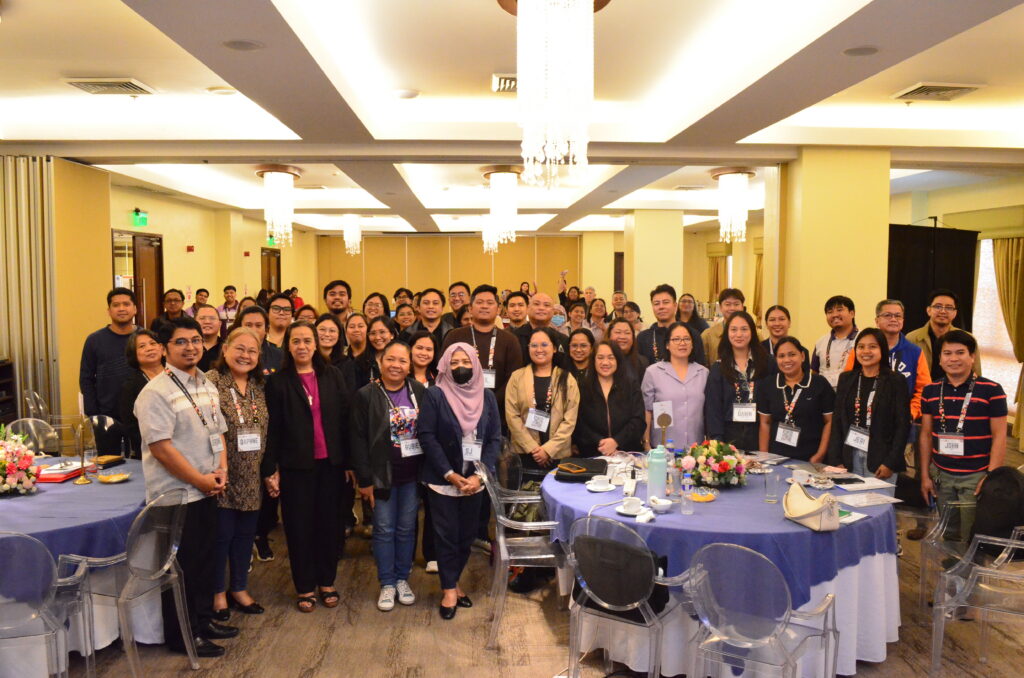
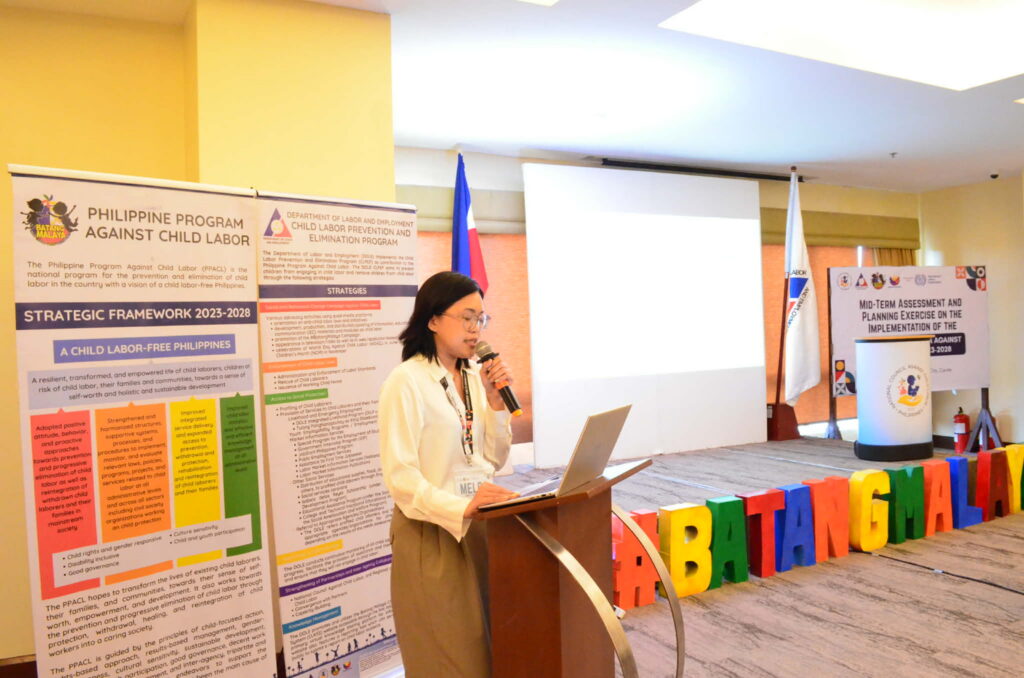
That vision anchored Free the Slaves’ participation in the Midterm Assessment of the Philippine Program Against Child Labor (PPACL) 2023–2028, a three-day exercise held March 9–11, 2026 in Tagaytay City, Cavite, where FTS contributed technical insights on survivor engagement, community-based monitoring, and strengthening the national response against child labor.
What FTS Brought to the Table
As a key partner in the PPACL, Free the Slaves participated in the assessment in line with its Philippines Country Strategy to support informed and constructive engagement with national policy processes related to SDG 8.7.
On the opening day, FTS shared good practices from its programming on survivor engagement in anti-modern slavery and anti-child labor efforts. The presentation emphasized that survivors should be engaged not only as beneficiaries but as partners in research, program design, advocacy, and policy dialogue. FTS also highlighted its work with Alliance 8.7, underscoring the importance of community involvement and multi-stakeholder participation in eliminating child labor and modern slavery. FTS’s presentation followed those of Ms. Ma. Cecilia Oebanda-Pacis of the Voice of the Free Foundation and FTS Philippines Board Member, and Ms. Daphne Culanag, a former FTS Project Director in the country, both recognized leaders in the anti-child labor movement in the Philippines.
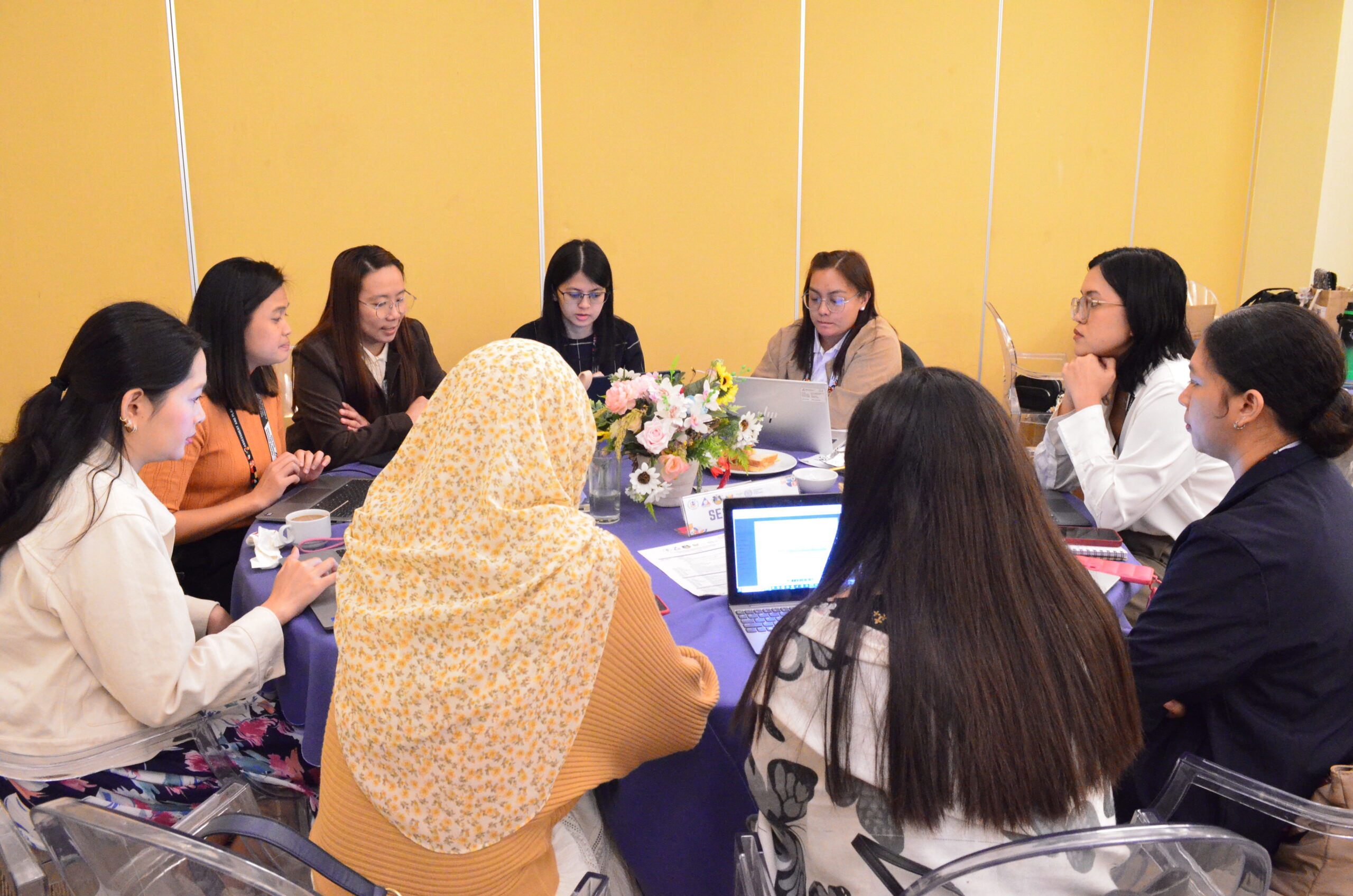
During the workshop’s second and third days, FTS was assigned to assess the Monitoring and Evaluation component of the PPACL framework, working alongside representatives from ILO, the Department of Labor and Employment (DOLE) Regional Offices, the Laura Vicuña Foundation, and DOLE’s Bureau of Workers with Special Concerns (BWSC). FTS represented the group in the plenary session and contributed specific technical inputs, including the relevance of Community Vigilance Committees (CVCs) as a model for community-based monitoring, the need to align M&E indicators with regional implementation realities, and the importance of meaningful survivor participation in evaluation processes.
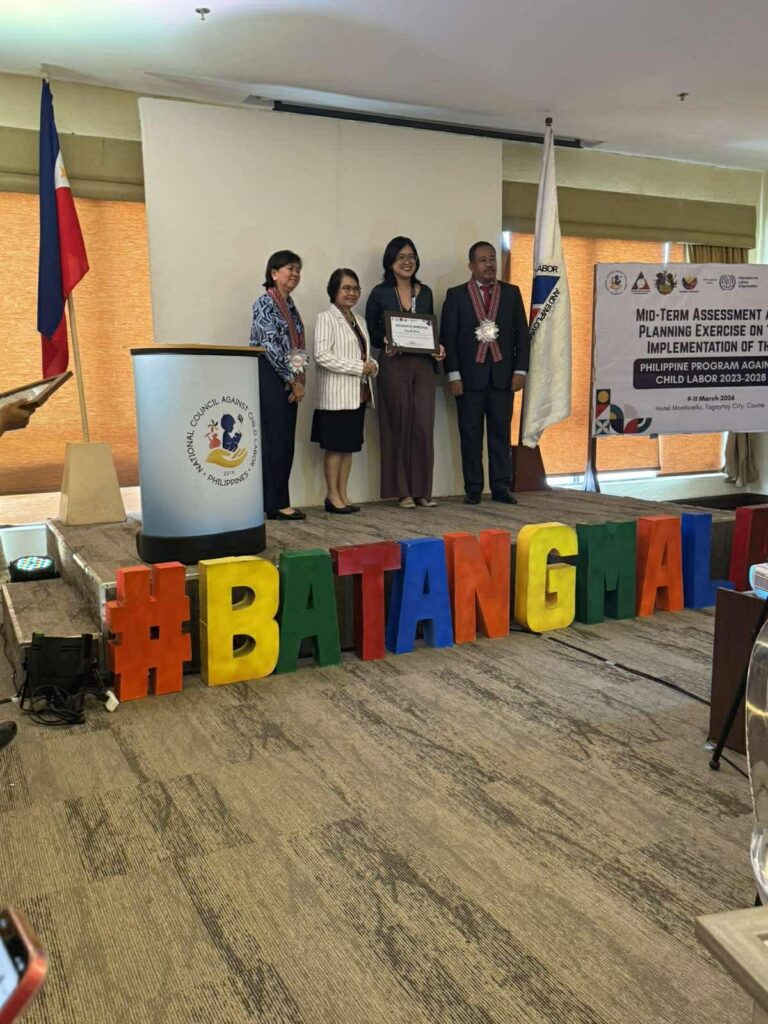
FTS was awarded a Certificate of Appreciation by DOLE BWSC for sharing good practices and innovations, a recognition of the value that survivor-centered and community-based approaches bring to national child labor strategies.
Why This Assessment Matters
The Midterm Assessment, organized by the National Council Against Child Labor (NCACL) under the Department of Labor and Employment (DOLE) with support from the International Labour Organization (ILO), brought together 44 organizations including government agencies, civil society groups, and international partners, to evaluate the program’s progress, identify challenges, and recalibrate strategies toward a child-labor-free Philippines by 2028. Using the OECD DAC evaluation criteria, participants analyzed achievements across the six key components of the PPACL Strategic Framework and proposed actionable recommendations for the remaining implementation period.
The exercise functioned as a platform for shared learning and renewed commitment under the #BatangMalaya campaign, the official brand for all NCACL and partner initiatives toward eliminating child labor in the Philippines.
Progress Worth Recognizing
The Philippines has made meaningful strides in addressing child labor. Data from the Philippine Statistics Authority (PSA) shows a decline in working children aged 5 to 17, from 1.48 million in 2022 to 861,000 in 2024. Prevention remains a focus through advocacy efforts aligned with #BatangMalaya, including the development of informational and educational materials and nationwide awareness campaigns. Strengthening the technical capacity of NCACL and Regional Councils Against Child Labor (RCACL) members has been critical to improving the localization and harmonization of program implementation. Community-level interventions, including livelihood, educational, and medical assistance to families of child laborers, have contributed to addressing one of the root causes of child labor: poverty.
Challenges That Persist
The assessment also revealed systemic challenges. Among the most pressing is the lack of a unified data-sharing and monitoring system. Without one, government agencies and their partners continue to operate in silos, making it difficult to track child labor cases consistently, measure outcomes, and plan sustainable interventions. Weak law enforcement, particularly in the informal sector, and the absence of standardized referral and case management mechanisms further limit the effectiveness of the response. These challenges are compounded by resource constraints, the normalization of child labor in some communities, and difficulties reaching geographically isolated areas where some of the worst forms of child labor may occur.
Building on these gaps, stakeholders identified key priorities for the path ahead: establishing a National Child Labor Monitoring System, strengthening implementation capacity at national and local levels, harmonizing data-driven monitoring with evidence-based decision-making, and expanding social protection and disaster-responsive interventions.
Looking Ahead
The assessment highlighted clear opportunities for Free the Slaves to deepen its support for the Philippines’ national child labor response. These include supporting the country’s Alliance 8.7 Pathfinder Country process by helping focal agencies better understand and apply the Accountability Framework, introducing the Community Vigilance Committees model as a practical reference for operationalizing community-based monitoring, and building institutional capacity for ethical, trauma-informed, and meaningful survivor engagement in policy and program processes.
Stakeholders are now working toward completing the updated PPACL Framework by June 2026, which is expected to reflect these priority areas and address the gaps identified during the assessment.
Eliminating child labor requires more than strategies and frameworks. It demands sustained collaboration, shared accountability, and a collective commitment to turn intentions into tangible action. Free the Slaves remains committed to supporting the Philippines’ efforts toward a child-labor-free future, bringing the voices of survivors and the strength of community-based approaches to the center of the national response.
Learn more about the Philippine Program Against Child Labor (PPACL) and ongoing efforts to eliminate child labor:
- Read more about the PPACL Campaign: Philippine Program Against Child Labor – Batang Malaya
- Learn about national efforts and updates: News – Batang Malaya
- Explore how we are working together: Programs & Services – Batang Malaya
- Report a child labor incident in the Philippines: Reporting – Batang Malaya