
The Value of Resilience

It takes resilience to live in rural Nepal. Mountainous terrain and a lack of roads limit access to healthcare and education. Caste systems and violence against women and children create socioeconomic disparity. Dependence on agriculture and tourism limit the national economy. About 25 percent of the population lives in poverty. Many children are forced into […]
December 12, 2019

It takes resilience to live in rural Nepal. Mountainous terrain and a lack of roads limit access to healthcare and education. Caste systems and violence against women and children create socioeconomic disparity. Dependence on agriculture and tourism limit the national economy. About 25 percent of the population lives in poverty. Many children are forced into slavery.
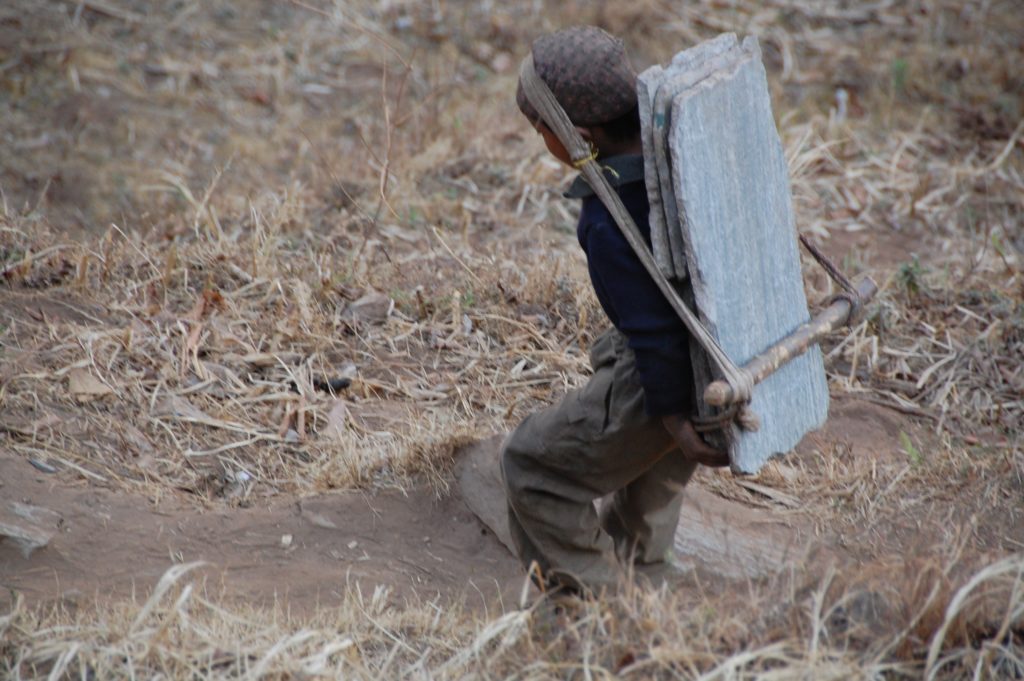
The 2015 earthquake made things even worse. People desperate to earn a living left for Malaysia or the Persian Gulf, where young women are enslaved in domestic servitude or the sex industry, and young men endure forced labor in construction.

Your contribution to Free the Slaves has helped the people of Nepal cope with these challenging circumstances. Our community-based approaches have promoted education about safe migration, enabled the provision of microenterprise seed investments, and promoted advocacy for stronger law enforcement. Partnerships with grassroots groups run by women and slavery survivors have paved the path for the women’s anti-trafficking movement — with counseling, education and support for women in rural areas.

Your donation builds resilience. It isn’t charity, it’s empowerment. It isn’t a handout, it’s a helping hand.

“When we tackle obstacles, we find hidden reserves of courage and resilience we did not know we had.”  — A.P.J. Abdul Kalam

We hope you will take this opportunity to strengthen individual and community resilience in Nepal during our 2019 Universal Values End-of-Year Campaign.

Editor’s note: This post was researched and written for the FTS Blog by Alina Oh.
Can you help end the conditions that cause modern slavery?

Related Posts

Shedding Light on Hidden Exploitation: Research Dissemination on Child Domestic Workers in Kathmandu, Nepal

Shedding Light on Hidden Exploitation: Research Dissemination on Child Domestic Workers in Kathmandu, Nepal

Child domestic labor in Nepal is one of the most hidden and normalized forms of exploitation. Despite legal protections, children from rural and disadvantaged communities continue to be trafficked or sent to work in urban households, where they face long hours, hazardous conditions, and isolation. To shed light on these realities, Free the Slaves (FTS) and CWISH conducted a qualitative study, Life as Child Domestic Workers in Kathmandu, and shared its findings at a dissemination event with government, civil society, and child protection stakeholders. The research highlights urgent gaps in protection and calls for systemic reforms to ensure every child’s right to dignity, education, and safety.

read more
Inside the Hidden World of Nepal’s Child Domestic Workers

Inside the Hidden World of Nepal’s Child Domestic Workers

Behind the closed doors of urban homes in Nepal, thousands of children—mostly from rural villages—work long hours in exchange for shelter, food, or a small wage. Often invisible to the public and absent from national statistics, these children face isolation from friends and family, interruptions in their schooling, and in some cases, hazardous labor.

Our new research with CWISH uncovers the pathways that lead children into domestic work, the daily realities they face, and the factors—poverty, lack of rural education, family pressures—that make them vulnerable. More importantly, it highlights the voices of the children themselves and offers actionable recommendations for government, educators, employers, and communities to create safer, fairer futures.

read more
Modern Slavery in Nepal

Modern Slavery in Nepal

Free the Slaves, along with the Alliance Against Trafficking of Women and Children in Nepal (AATWIN) and the Shanti Foundation, have worked on putting together a fact sheet on ‘Modern Slavery in Nepal’ for easy and handy availability of information on modern slavery....

read more