Nepali Women Vulnerable to Multiple Enslavement

Reports came out over the weekend from the United Nations and local media in Nepal, showing that many women are enslaved multiple times. Free the Slaves works with several anti-slavery organizations in Nepal, where poverty forces many to seek employment away from home, making them vulnerable to human traffickers. The UN’s Mediaglobal.org reported that an […]
September 13, 2010

Reports came out over the weekend from the United Nations and local media in Nepal, showing that many women are enslaved multiple times. Free the Slaves works with several anti-slavery organizations in Nepal, where poverty forces many to seek employment away from home, making them vulnerable to human traffickers.

The UN’s Mediaglobal.org reported that an estimated 10,000 Nepali girls a year are enslaved in India’s brothels. They sometimes go willingly, thinking they will work in factories or restaurants. Instead, they are entrapped into the sex trade.

Even when girls are rescued from their slave masters, the road to recovery is a long one. They remain vulnerable to being re-trafficked, if the underlying economic conditions that drove them to slavery in the first place are not rectified. Social pressures also weigh on the survivors. Free the Slaves’ board member emeritus Siddharth Kara spoke to Mediaglobal.org: “Shame and stigma back home consign [trafficking victims] to a life of limited options.”

Read how Free the Slaves programs in Nepal empower entire communities to become economically self sufficient—and able to resist traffickers.

Without sufficient economic and community-based support, people are vulnerable to being re-enslaved. Our partners in Nepal are hearing more and more about people being trafficked multiple times—first, within Nepal and India, then, to countries in the Persian Gulf, like Saudi Arabia, Kuwait, Oman.

The English-language, Nepalese newspaper The Himalayan ran an article on this very phenomena, saying “Gulf countries are fast turning into destinations for… trafficking even though government policy does ‘not encourage’ women to seek jobs there.” The report goes on, “approximately three million Nepalis have migrated to countries other than India for work.” India remains the most popular destination for Nepali migrant workers.
Read how two Nepalese women survived multiple enslavement, and returned from Kuwait and Saudi Arabia.

Can you help end the conditions that cause modern slavery?

Related Posts

Building Momentum for Nepal’s Alliance 8.7 Roadmap

Building Momentum for Nepal’s Alliance 8.7 Roadmap

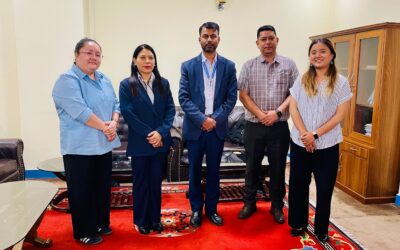
Free the Slaves met with Nepal’s Ministry of Youth, Labor and Employment in Kathmandu to begin planning a September stakeholder workshop under the Alliance 8.7 pathfinder initiative. Ministry leadership raised two priorities: capacity building for provincial officials and stronger national systems for tracking data.

read more
From Research to Action: Advancing Change for Child Domestic Workers in Kathmandu (Part II)

From Research to Action: Advancing Change for Child Domestic Workers in Kathmandu (Part II)

In Kathmandu, tens of thousands of children work as domestic workers, often arriving with promises of education and better opportunities. A new report by Free the Slaves and CWISH Nepal reveals the realities of this largely invisible form of child labor, and the coordinated action needed to address it. Read how FTS and CWISH are turning research into prevention by bringing these findings directly into classrooms and communities in Nepal.

read more