
In Kathmandu, tens of thousands of children live and work as domestic workers. They cook, clean, fetch water, carry heavy loads, care for younger children, and often support family businesses.The research report Life as Child Domestic Workers in Kathmandu, published by Free the Slaves and CWISH Nepal, sheds light on this largely invisible form of labor.
It finds that most child domestic workers come to Kathmandu at a very early age with promises of education and better life opportunities in exchange for some household chores. Once in the capital, however, children work very long hours, including on hazardous tasks. While most are enrolled in school, their ability to regularly attend classes and study is constrained by the workload at home. Removed from their family of origin and isolated from the outside world, child domestic workers find themselves living in emotionally and psychologically challenging circumstances.
Building on those findings, the report offers a series of recommendations targeting different actors and emphasizing the need for a whole-of-society approach built on intersecting actions. Government authorities, employers, parents, teachers, police officers, civil society organizations, and communities all have roles to play. The research therefore calls for coordinated, multi-sector action that addresses root causes, strengthens accountability, and empowers children.
You can read the full report here: https://freetheslaves.net/wp-content/uploads/2025/08/Life-as-Child-Domestic-Workers-in-Kathmandu-.pdf
From Research to Action
Believing that without deliberate follow-up, valuable findings and recommendations cannot have an impact on policy, practice, and advocacy, over the past months FTS and CWISH have been taking concrete steps to disseminate findings, engage relevant stakeholders, and promote the implementation of recommendations. Last December, we convened a series of training, capacity-building and awareness-raising sessions targeting employers, children with lived experience and government officials at the municipal level (you can read about it here)
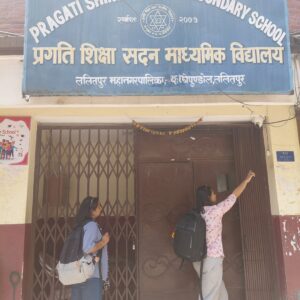
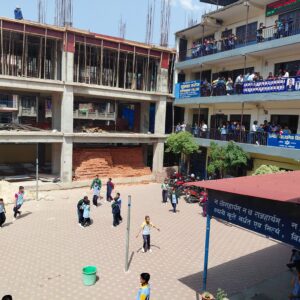
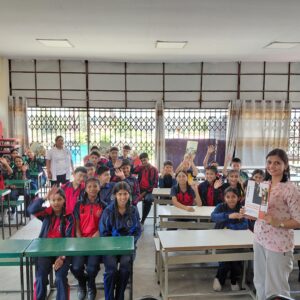
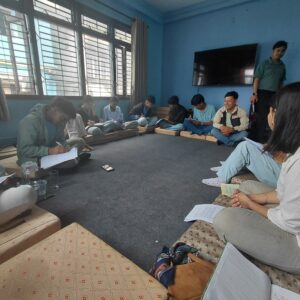
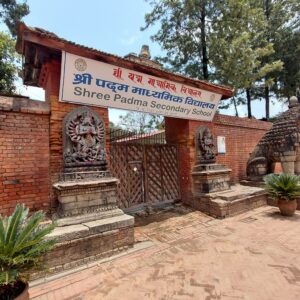
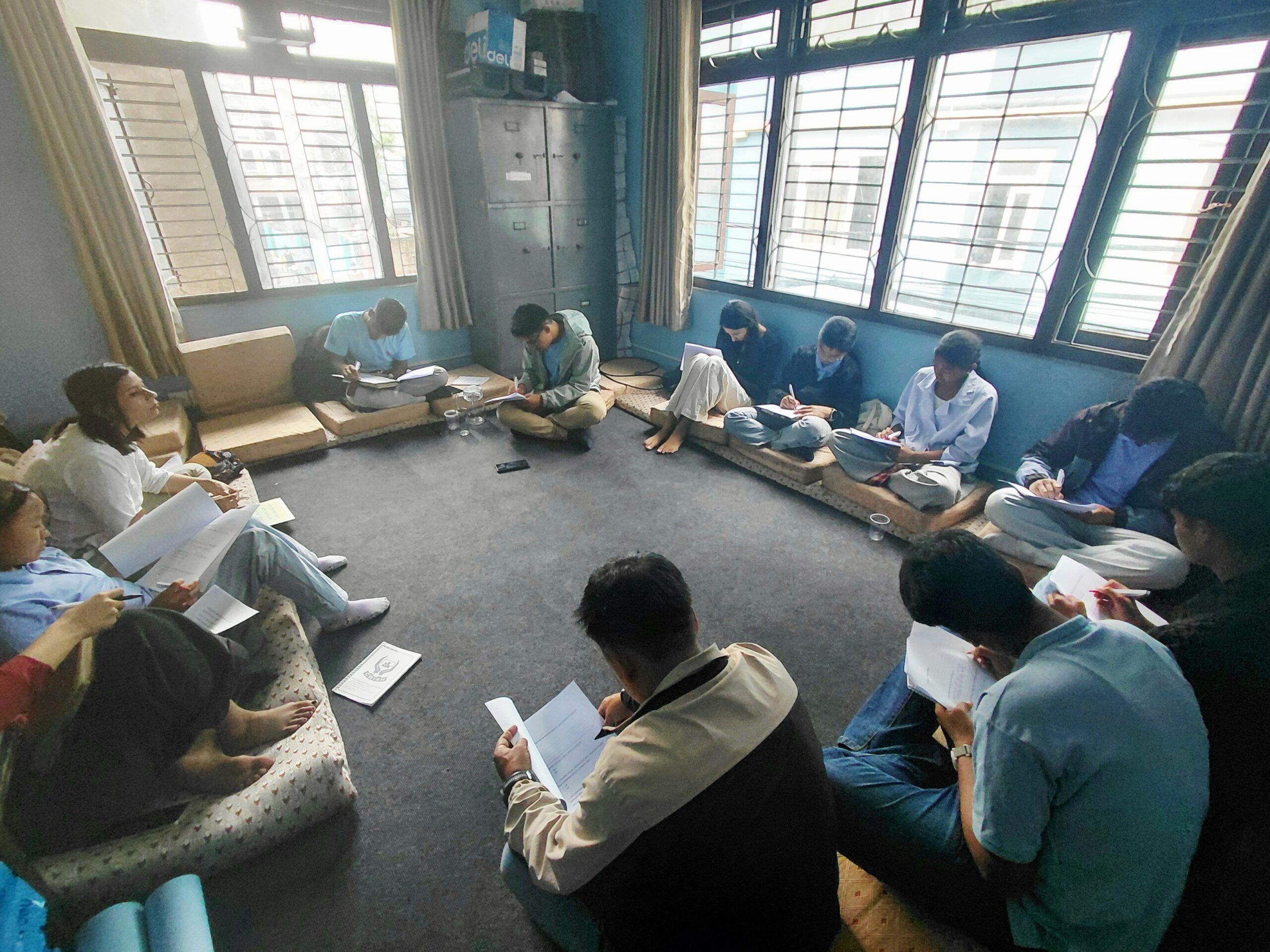
On the week of May 25, FTS and CWISH visited local public schools in Kathmandu and Lalitpur to bring the research findings and recommendations to the attention of children, school teachers and principals. The team engaged with more than 60 children aged 11-15 from grades 6 through 9 and explained to them what child labor is, why children in Nepal enter into child domestic work, what their daily life typically looks like, and what should be done to protect those children from exploitation. The recommendations of the research report were used as a starting point to encourage a conversation about steps that different actors (e.g., government, families of origin, employers) should take to ensure that children are not exploited or abused.
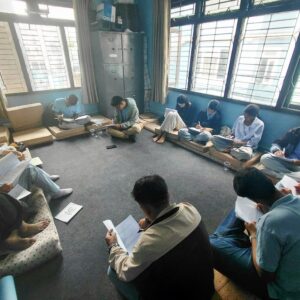
Following the research presentation, children were invited to reflect on what they learned (e.g., what is the difference between child work and child labor? what is the minimum age for employment in Nepal), the impact that the research had on their feelings (e.g., how did it make you feel to hear about the situation of child domestic workers?), and what solutions they think should be implemented (e.g., what do you think that as a society we should be doing to protect children?). On this latter point, it was interesting to hear from children the importance of investing in high-quality education in rural villages as the single most important way to ensure that children can remain with their families and don’t need to move to Kathmandu to study and work in someone’s house.
At each school, the team distributed copies of the child-friendly Nepali version of the research report. The reports will be housed in the schools’ libraries, where students can access, consult, and borrow them, ensuring that the project’s findings remain available beyond the school visits. Teachers also expressed their intention to use the report as a resource for future awareness-raising activities on child labor, child domestic work, and children’s rights, extending the reach and impact of the research within the school community.
At the conclusion of the school visits, the team shared with students the helpline number they could contact if they, or someone they know, were in a situation of concern and needed support. As children carefully wrote down the number in their notebooks—or even on their hands to ensure they would not forget it—we were reminded of the importance of making support services visible and accessible to those they are intended to protect. Awareness is often the first step toward seeking help, and even the most robust protection mechanisms can only be effective if children know that they exist and how to access them.
Why this matters
These follow-up activities underscore that research can only contribute to meaningful change when its findings are translated into awareness, dialogue, and action. By bringing the experiences of child domestic workers directly into schools, the project transformed research evidence into a tool for prevention, empowering children to recognize exploitation, understand their rights, and reflect critically on the conditions that place children at risk.
The discussions also highlighted the value of engaging children not merely as beneficiaries but as stakeholders whose perspectives can inform solutions. Their emphasis on improving access to quality education in rural communities echoed one of the structural drivers identified by the research and demonstrated a deep understanding of how exploitation can be prevented. Equally important, the distribution of child-friendly research materials and information about available support services helped bridge the gap between knowledge and protection, ensuring that children, teachers, and communities are better equipped to identify risks and seek assistance when needed.
In this sense, the research did not conclude with the publication of findings; it became a catalyst for ongoing awareness, advocacy, and child protection efforts on the ground in Nepal.