FTS Frontline Partner Activists in First Online Global Conference to Counter Child Trafficking

The first ever Global Online Counter Child Trafficking Conference will take place October 16-18th, and two FTS frontline partners will be featured speakers, alongside many global experts about the latest anti-trafficking techniques and innovations. Based completely online, the conference aims to be the largest anti-trafficking gathering of the business, education, government, health care, law enforcement […]
October 8, 2013

The first ever Global Online Counter Child Trafficking Conference will take place October 16-18th, and two FTS frontline partners will be featured speakers, alongside many global experts about the latest anti-trafficking techniques and innovations.

Based completely online, the conference aims to be the largest anti-trafficking gathering of the business, education, government, health care, law enforcement and non-profit sectors. Registration and participation is free and open to the public at counterchildtrafficking.org, and attendees will have the chance to connect and share and learn from others in the field.
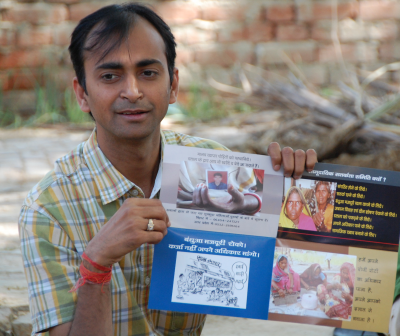
Rajneesh speaking at village in India

FTS’ frontline partner in India, MSEVMVS, will be represented by Rajneesh Kumar Yadav, who will discuss community-based approaches to ending slavery. He will base his workshop on MSEMVS’ work with over 270 local groups undertaking rescue, rehabilitation and reintegration. He will share strategies for enabling residents to face up to the realities of trafficking and slavery, especially its effects on children; set their own priorities for addressing its root causes; enlist local government and police to do their job; trace and liberate children; help children recover and rebuild their lives within the community; and join together with other communities that are doing similar work.
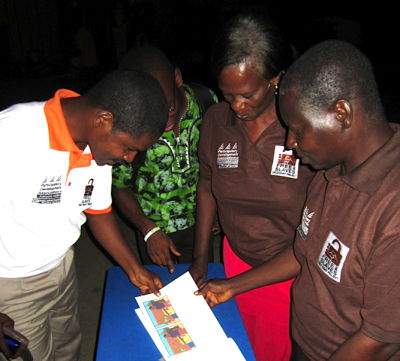
Bismark shares organizing materials with community organizers in Ghana

Bismark Quartey of FTS’ partner Participatory Development Associates in Ghana will discuss methods for changing norms around child protection through participatory learning techniques. Highlighting a recently-piloted FTS project to combat child slavery and child labor in gold mining communities in Ghana, he will explain how, through a well-planned facilitated process, communities can come to the realization that they are able to promote, protect and fulfill children’s rights.

The conference is an unprecedented opportunity for sharing and learning from frontline practice, experience and expertise.

See you online next week!

Can you help end the conditions that cause modern slavery?

Related Posts

How Budhiram Helped His Community Say No to Trafficking

How Budhiram Helped His Community Say No to Trafficking

When survivors are given knowledge, support, and the chance to lead, entire communities become safer.
In Bhadohi district, survivor leader Budhiram transformed his own experience of exploitation into action, helping rescue trapped workers, stop traffickers from returning, and build a culture of safe migration that now protects his village.

read more
Migrant Vigilance Committees: A Sustainable Model for Migrant Safety

Migrant Vigilance Committees: A Sustainable Model for Migrant Safety

Across communities in India, Migrant Vigilance Committees are helping families move from fear to informed action. Through community-led monitoring and practical tools like SAFE TIPS, Free the Slaves and local partners are strengthening safer migration pathways while empowering parents, protecting workers, and ensuring that migration decisions are rooted in knowledge, dignity, and choice.

read more
Mr. Bachelal’s Path from Surviving Exploitation to Leading Others to Freedom

Mr. Bachelal’s Path from Surviving Exploitation to Leading Others to Freedom

Mr. Bachelal, once trapped in bonded labor, turned his experience into empowerment through Free the Slaves’ Community Liberation Initiative training. Equipped with a deeper understanding of labor rights, legal frameworks, and advocacy, he used his learning to secure the release of five workers held in forced labor—and to begin mentoring them into survivor leaders themselves. His story is a testament to the transformative power of knowledge: when survivors are informed and connected, they not only reclaim their freedom—they help ensure others never lose theirs.

read more