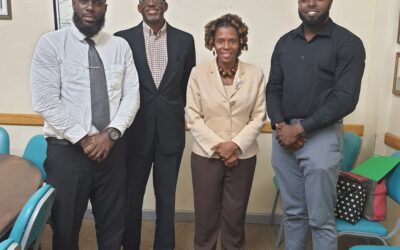
To mark the 10th anniversary of CNN’s #MyFreedomDay campaign, Free the Slaves collaborated with youth advocates across the Caribbean to highlight both milestones achieved and the urgent need for survivors and young people with disabilities to have a seat at the table in shaping the policies designed to protect them.
Caribbean
Climate Change and Human Exploitation in Antigua and Barbuda
Climate change in Antigua and Barbuda is not only an environmental crisis, it is a human one. When hurricanes destroy livelihoods and droughts strain food and water supplies, families are pushed toward unsafe work, displacement, and increased risk of exploitation. New research highlights how climate pressures are creating conditions where human trafficking and abuse can take root, and points to urgent steps needed to protect communities before harm occurs.
Strengthening Frontline Protection: Partnering with Social Workers Across the Caribbean
Across the Caribbean, social workers are strengthening frontline responses to human trafficking. Through targeted training and regional collaboration, Free the Slaves is working with social work professionals to build systems that protect communities, support survivors, and make exploitation harder to hide.
Strengthening Judicial Response to Trafficking in Persons in Trinidad and Tobago
Free the Slaves collaborated with the Judiciary of Trinidad and Tobago and the Judicial Education Institute to convene a two-day sensitization workshop on trafficking in persons. The workshop brought together judges, magistrates, and court officers to strengthen judicial capacity, deepen understanding of legal and institutional frameworks, and advance survivor-centered approaches in trafficking adjudication. This marks a significant step in improving justice outcomes for survivors and supporting effective prosecution of trafficking in persons in Trinidad and Tobago.
Caribbean Anti-Trafficking Conference: One Year of CCATIP, 25 Years of the Palermo Protocol
Free the Slaves, in its role as Secretariat to the Caribbean Coalition Against Trafficking in Persons (CCATIP), helped convene a four-day regional conference to reflect on 25 years of the Palermo Protocol and strengthen collective responses to trafficking across the Caribbean. Bringing together governments, civil society, survivor leaders, youth advocates, regional agencies, and international partners, the conference provided space to assess progress, share innovations, and chart strategic priorities for the decade ahead. Grounded in survivor-informed and community-centered approaches, the gathering underscored that lasting change requires collaboration, accountability, and sustained care for those working on the frontlines of anti-trafficking efforts.
Notes from the Field – Adrian Alexander – Human Trafficking in the Caribbean
Adrian Alexander, Free the Slaves Advocacy and Movement Building Country Manager in Trinidad and Tobago shares his recent experiences advancing relationships across the Caribbean Region.