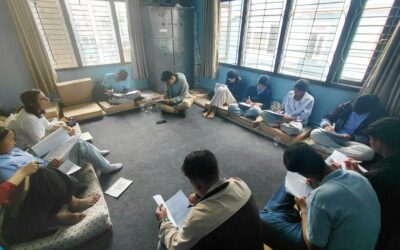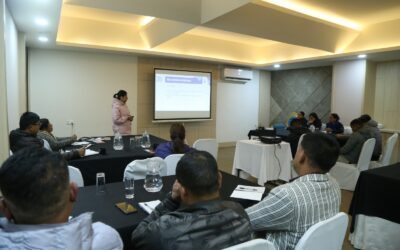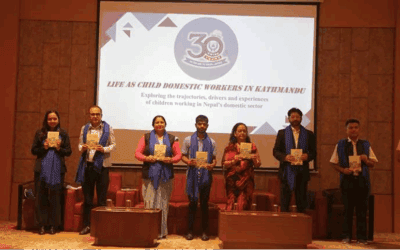

When it comes to fighting slavery, creativity and innovation are essential. So Free the Slaves and our frontline partners use art to teach community members around the world about their rights.
We’ve found that picture strips are remarkably successful. The images allow those in slavery—and those who are vulnerable to slavery—to quickly see that life can be different.
“They came to identify their own situation when looking at these cartoons,” says Xavier Plassat, a FTS board member and frontline organizer with the Pastoral Land Commission in Brazil.
“They used to tell me, in their own words: ‘eu me achei‘ (translation: I found myself),” Xavier says. ”Because the laborers were able to visualize themselves in the pictures, they could learn how to prevent similar situations from happening to them or others.”
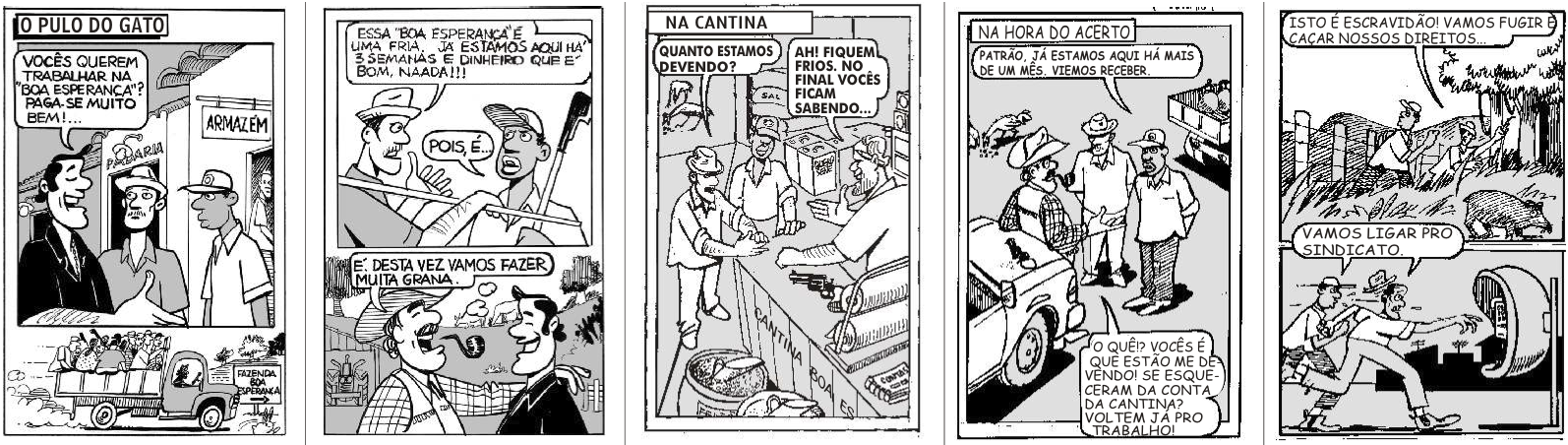
A comic strip from CPT Brazil.
In Haiti, picture books are used for small-group discussions in remote villages where parents often send children away to work as domestic help in cities, in hopes they’ll be fed and educated. Many of the children end up in slavery, and the books “open the eyes of parents who sent children” according to FTS Haiti Coordinator Smith Maxime.
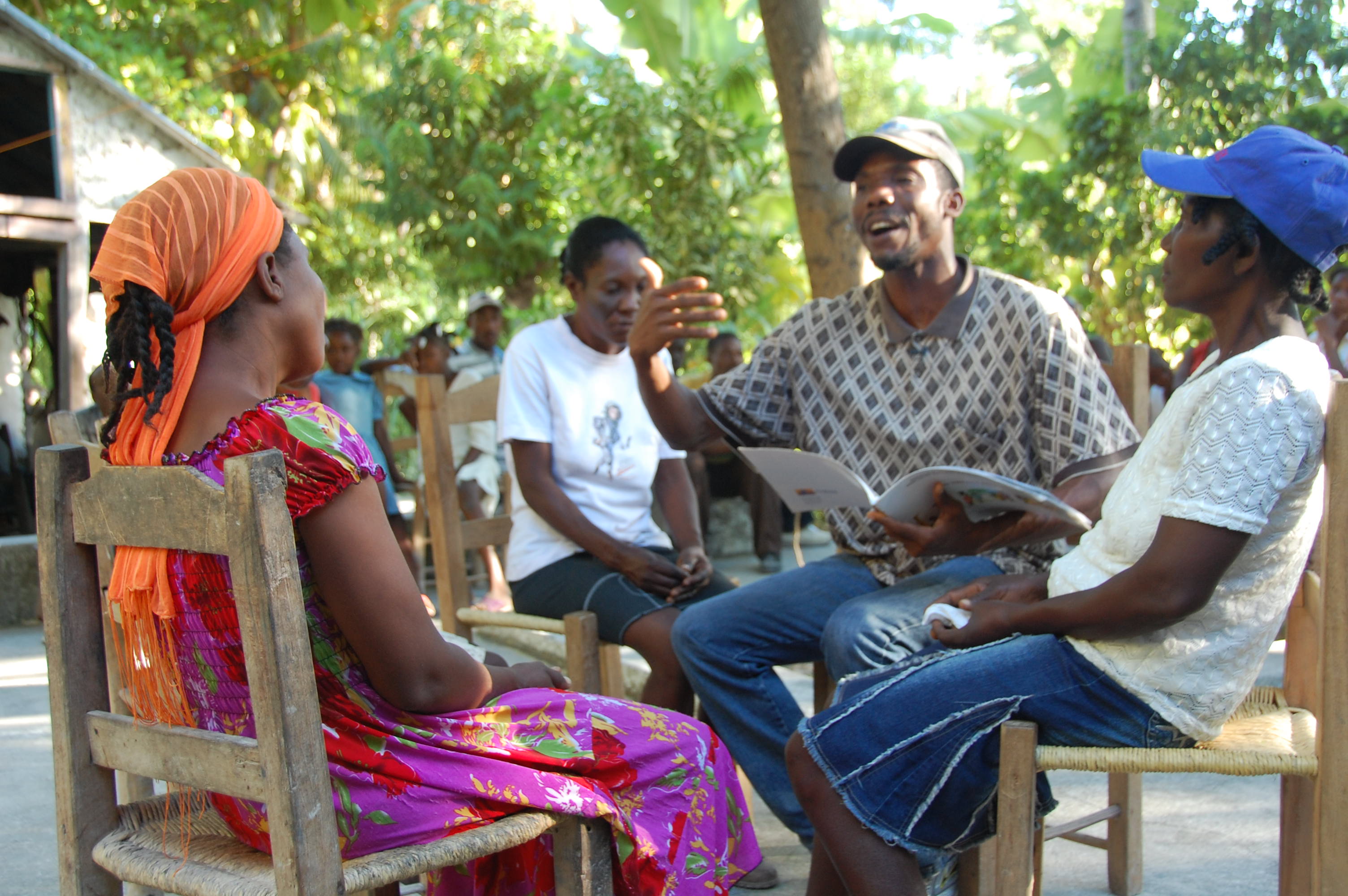
Christmas Barjon leads a community discussion in Bresilienne, Haiti. | FTS Photo
The pictures act “like a fire that heats the consciousness of parents,” Smith says. Village leaders, trained by our Haitian partner Fondasyon Limyè Lavi, guide parents through a story of children falling into slavery.
“At first contact with the book, parents feel the need to go retrieve their children,” Smith says. “Pictures speak a thousand words.”
Pictures are carefully crafted to tell stories of individuals in risky situations, such as those intending to migrate, as well as stories of enslaved individuals and the abuse they are suffering. The stories are designed to teach community members what their rights are, and how to assert them.
In Nepal, for example, one strip tells the story of a woman who is offered a job abroad by a tricky trafficker. She is enslaved, and then jailed for being undocumented. When she eventually returns home, she seeks justice – ultimately sending the trafficker to jail – and she shares her story to warn others. The strip was developed by FTS partner AATWIN, and is being used by all our Nepali partner groups.
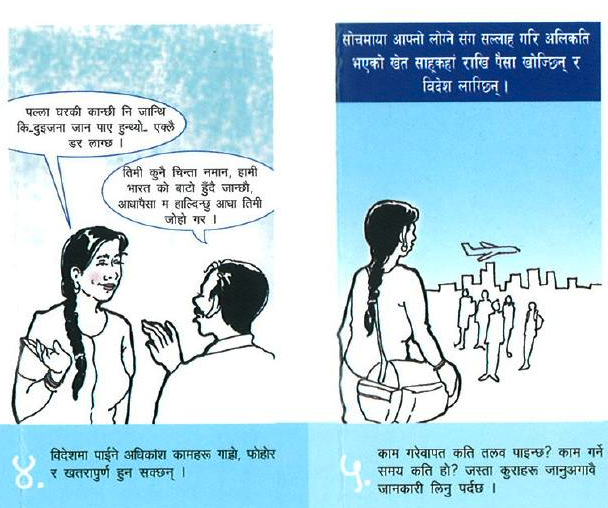
Nepal picture strip shows a woman being lured away from home by the false promises of a trafficker.
Pictures help FTS bridge communication gaps between communities and activists, making learning more accessible and interesting. Art is particularly effective in areas where people are unable to read.
“The reality is that children often don’t have the words to convey what they are needing and wanting,” says FTS Associate Programs Director Ginny Baumann. “So the pictures form stories that allow adult participants to try to imagine what the children might be feeling.”
In some cases, pictures help people escape slavery.
“There’s a situation where a trafficked worker in another part of India, where he didn’t speak the language, used a comic strip picture about slavery to show the police the situation he was in,” Ginny explains. “Using the leaflet, the police could then help him get back home with the help of our partner organization.”
Slavery thrives when the vulnerable are discouraged from thinking and reflecting on their situation. Visual images can be helpful because they sometimes raise questions more effectively than words can. Art can get groups of people to think together about their lives, what is happening, and what is right and wrong.