This is Where Freedom Started

Visiting the front lines of modern slavery is a deeply emotional experience. As I write to you today from Northern India, my heart is filled with hope and joy. That’s because of the joy of freed bonded laborers I have met and the progress that has been made in their lives. This comes as today, […]
March 2, 2020

Visiting the front lines of modern slavery is a deeply emotional experience. As I write to you today from Northern India, my heart is filled with hope and joy. That’s because of the joy of freed bonded laborers I have met and the progress that has been made in their lives. This comes as today, March 2nd is the 20th legal birthdate of Free the Slaves, and India is where we first helped the enslaved take their first steps toward freedom.

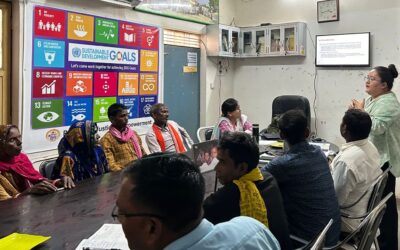
Over the weekend, I met the residents of Laganwadi village. Here, working with our partner organization MSEMVS, we are empowering villagers with knowledge about their rights as citizens of India and strengthening the systems that protect every Indian. We are mobilizing the community to exercise those rights.

Many villagers told me about how their lives have changed. They are able to enjoy the realization of their human rights, they are living free from abuse and exploitation. One told me, “I did not think I can send my children to school, own a piece of land and feel like I am Indian.”
Donate $20 to Commemorate the 20th Birthdate of Free the Slaves


As I left Laganwadi, I realized that Free the Slaves has come a long way in 20 years, but we still have a long way to go. We’ve freed thousands of people from slavery and empowered hundreds of thousands with knowledge on how to safeguard themselves, their families and their communities from slaveholders. But millions more need help. Today, on our birthday, I pledge to you that Free the Slaves will never rest until the final person in slavery walks free.

Thank you for being with us on this mission, this is your journey too. Your ongoing support has transformed Free the Slaves from a small collective of activists into one of the world’s leading anti-slavery organizations. As we move into our next decade, I hope you will continue to work with us to end slavery everywhere

Can you help end the conditions that cause modern slavery?

Related Posts

Una Nueva Herramienta para la Acción: Diez Conversaciones que Abren Oportunidades contra la Esclavitud Moderna en América Latina

Una Nueva Herramienta para la Acción: Diez Conversaciones que Abren Oportunidades contra la Esclavitud Moderna en América Latina

Conversaciones sobre Esclavitud Moderna reúne a agencias de la ONU, profesionales de gobierno, voces del sector privado, personas sobrevivientes e investigadores en una colección en español — un recurso práctico para quienes trabajan en la prevención de la explotación en América Latina, justo cuando las nuevas regulaciones comerciales convierten ese trabajo en una ventaja de acceso a mercados.

read more
A New Tool for Action: Ten Conversations that Open Opportunities against Modern Slavery in Latin America

A New Tool for Action: Ten Conversations that Open Opportunities against Modern Slavery in Latin America

Conversaciones sobre Esclavitud Moderna brings together UN agencies, government practitioners, private sector voices, survivor leaders, and researchers in one Spanish-language collection — a practical resource for anyone working to prevent exploitation in Latin America, right when new trade regulations are turning that work into a market access advantage.

read more
From Planning to Action: Grassroots Leaders Advancing Anti-Trafficking and Safe Migration Efforts

From Planning to Action: Grassroots Leaders Advancing Anti-Trafficking and Safe Migration Efforts

When community members are equipped to lead, lasting protection becomes possible. In eastern Uttar Pradesh, 22 grassroots leaders from Migrant Vigilance Committees and Azad Shakti Abhiyan groups recently completed Community Action Plan workshops, translating a year of training into structured, village-level strategies to prevent exploitation, promote safe migration, and connect vulnerable families to support. Here is what that looks like in practice.

read more