
With the participation of nearly 50 members of the Red Boliviana contra la Trata y Tráfico de Personas (RBcTTP), Free the Slaves (FTS), together with Conexión NGO, facilitated two intensive sessions focused on trafficking for the purpose of forced labor. The training combined key concepts, indicators, and international frameworks with practical tools, lived experience, and survivor leadership — reflecting Free the Slaves’ practical and community-based approach to sustainable change.
Day 1 – Labor Trafficking and Forced Labor: Legal Frameworks and Realities
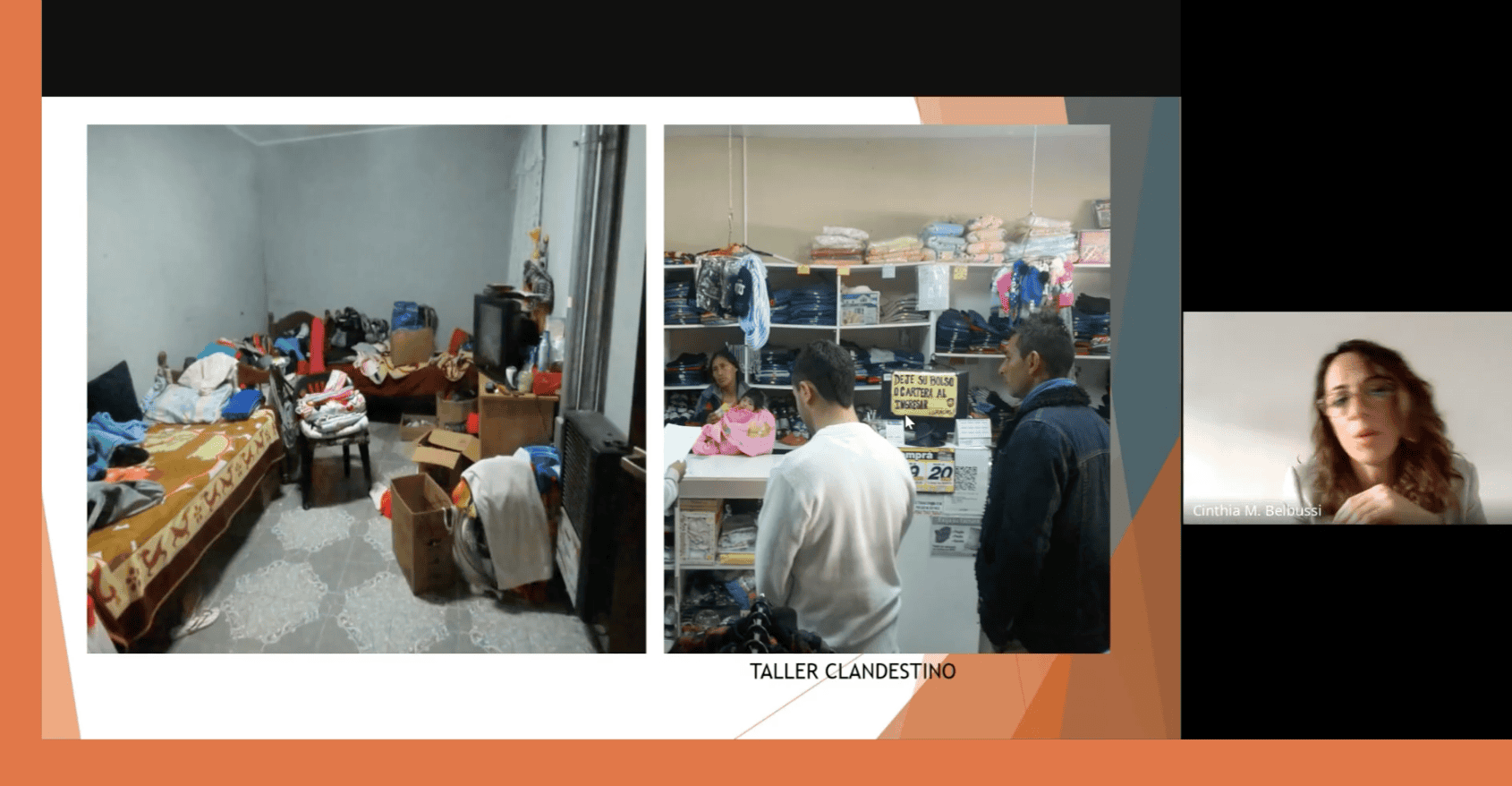
Led by Cinthia Belbussi, the first session clarified essential distinctions between human trafficking, labor exploitation, and forced labor.
Participants reviewed:
- The core elements of trafficking.
- Practical ILO forced labor indicators.
- The worst forms of child labor and various types of servitude.
- Regional context and key implementation gaps.
Watch the full session: Day 1
Day 2 – Practical Approaches for Prevention and Detection
The second session began with the testimony of survivor leader Yesenia Díaz, who shared her experience of trafficking for forced labor in the agricultural sector. Her story illustrated the gap between promise and reality, the misuse of migration documentation, and the harsh conditions of exploitation — marked by control, threats, and exhaustion.
Following her testimony, Cinthia Belbussi presented Free the Slaves’ Community Liberation Initiative (CLI), a practical model that strengthens communities to prevent, detect, and refer trafficking cases, reducing vulnerabilities over time through local ownership and sustained engagement.
Watch the full session: Day 2
Participants emphasized how valuable the space was for learning, collaboration, and critical dialogue — strengthening the collective capacity of the network.
“I consider this a necessary space to promote discussion, analysis, and the creation of joint proposals. It has strengthened the network’s bond, providing a moment to debate issues that have been so deeply invisibilized by social and cultural norms.” – Anonymous Participant
“It was important to hear about the experiences of other institutions and regions. Listening to testimonies about lived situations allows you to empathize, reflect, and improve.” – Anonymous Participant
“It strengthens my knowledge on the topic; specific courses are needed for each purpose of trafficking.” – Anonymous Participant
Other reflections highlighted the importance of updating concepts, revisiting distinctions between forced labor and labor trafficking, and using community-based approaches for prevention and action. Participants also noted the training’s clarity and practical relevance, emphasizing its role in empowering institutions to better identify and respond to exploitation.
Through continued collaboration, capacity building, and shared learning, Free the Slaves and its partners are strengthening regional networks — ensuring that prevention, protection, and justice efforts against labor trafficking are both informed and sustainable.