
It was the day that 25 families in Lakhminiya village in Bihar had dreamed about for decades. A breakthrough that would give them self-sufficiency, protecting them from trafficking.
Their village used to be a haven for traffickers. But recently, these destitute, low caste families finally received the official hand-over of what is called “Bhudan land.”
In the early years of India’s independence, the country’s ambitions of social justice included the reallocation of land on a voluntary basis from landowners who were holding huge acreages. Then, as now, the unfair distribution of land left families unable to grow enough food, often causing them to fall under the complete control of whoever could give them work. Initially the Bhudan system worked well in many places, with poor families gaining freedom and sufficiency through the transfer of small plots of land. But over the decades, without legal protections for low caste families, much of the land was taken back by later generations of powerful landowners.
 When the Bihar team of the FTS frontline partner organization MSEMVS asked village residents about the reasons young people were being trafficked into slavery, the issue of land rights surfaced again. Villagers said that getting Bhudan land back would give them economic security and help them avoid risky migration for work.
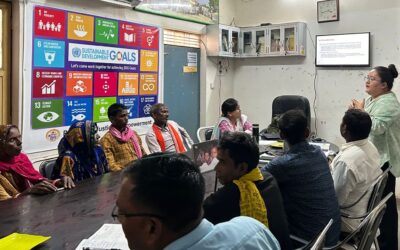
For six years, the MSEMVS team has worked tirelessly with families in Lakhminiya, as well as with several other groups of landless families in the same district, to bring the state’s Bhudan office into action after decades of dormancy.
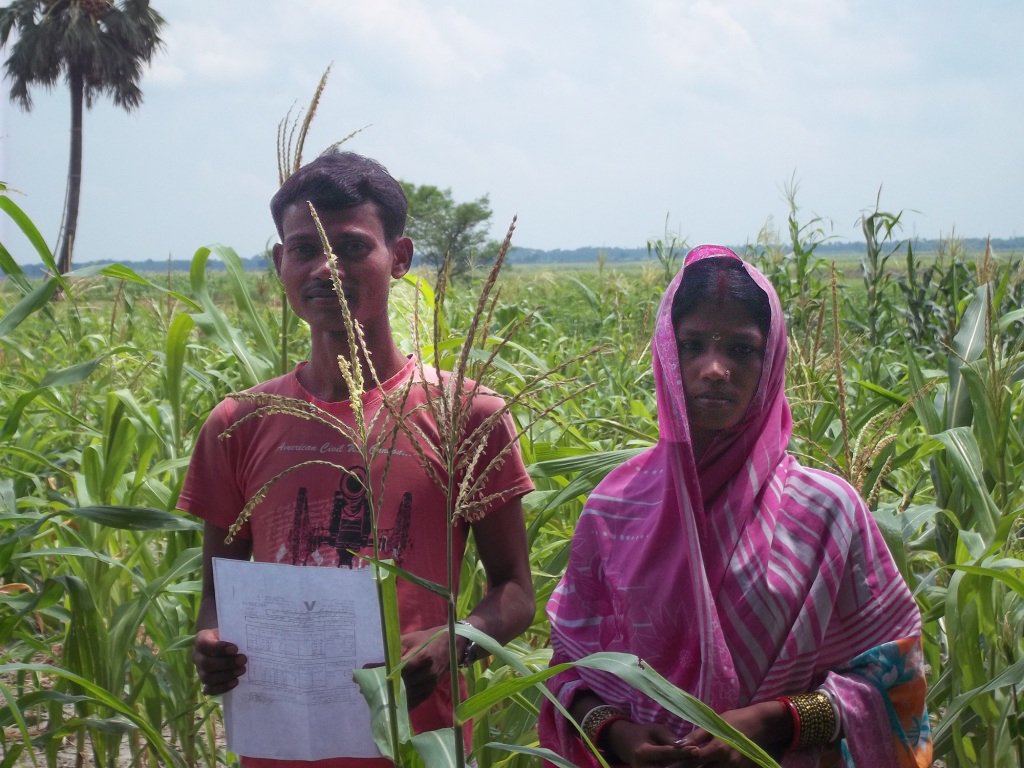
MSEMVS worked with families who already had some documentation of their land rights to get up-to-date official confirmation from the state capital.
Now, the first group of 35 families has received approval of their Bhudan land – between 10 to 20 acres per family. MSEMVS believes it’s a first step for hundreds of families in Bihar to gain their rights to land.
Learn more about our projects in India on the FTS website India page.