India Girl Escapes Slavery & Restarts Her Life

Sangita is just 15, but she’s seen a lot. Her parents needed to borrow money from a local brick factory owner, who forced Sangita’s entire family into slavery at the kiln to pay off the debt. Now she is free, and her story underscores how the FTS Community Model for Fighting Slavery is working to […]
October 25, 2016

Sangita is just 15, but she’s seen a lot. Her parents needed to borrow money from a local brick factory owner, who forced Sangita’s entire family into slavery at the kiln to pay off the debt. Now she is free, and her story underscores how the FTS Community Model for Fighting Slavery is working to change lives.

Debt bondage is an illegal form of slavery, but it’s commonplace in India’s notorious brick belt. When people need to borrow in an emergency, brick kiln owners are happy to lend them money in return for a promise to work off the loan. Usurious interest and phony bookeeping ensure that villagers think the loan hasn’t been fully repaid, so that they never stop working. Parents are often forced to bring children along to sweltering brickyards to labor beside them.

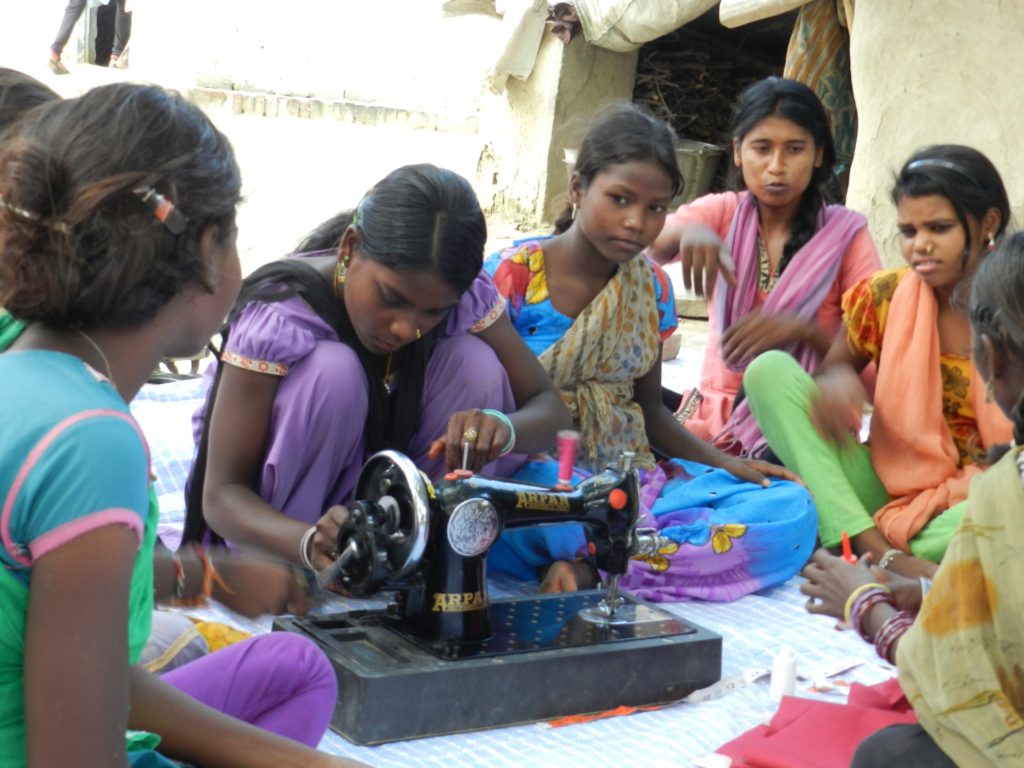
Fortunately, Free the Slaves front-line partner MSEMVS has been educating residents of Sarawa village about their rights and the importance of education for children. Sangita’s parents met with front-line activists, and they have now ensured that she is in school. FTS partners operate transitional classes that help students whose education has been disrupted by slavery. Sangita is catching up, and helping fellow pupils. She’s also learning to become a seamstress.
sangita-learns-tailoring

“I am very happy because I am studying and learning tailoring, which was what I have wanted to do for a long time,” Sangita says.

Learn more about our work in India here, and see other slavery survivor stories here.

Can you help end the conditions that cause modern slavery?

Related Posts

From Planning to Action: Grassroots Leaders Advancing Anti-Trafficking and Safe Migration Efforts

From Planning to Action: Grassroots Leaders Advancing Anti-Trafficking and Safe Migration Efforts

When community members are equipped to lead, lasting protection becomes possible. In eastern Uttar Pradesh, 22 grassroots leaders from Migrant Vigilance Committees and Azad Shakti Abhiyan groups recently completed Community Action Plan workshops, translating a year of training into structured, village-level strategies to prevent exploitation, promote safe migration, and connect vulnerable families to support. Here is what that looks like in practice.

read more
Empowering Partners Through Community Maturity Toolkit Training

Empowering Partners Through Community Maturity Toolkit Training

Sustainable change starts with communities leading their own path to freedom. Through a recent training on the Community Maturity Toolkit, Free the Slaves and partners equipped local organizations in India and Nepal with a practical approach to assess progress, strengthen resilience, and build long-term, community-led solutions to prevent trafficking and modern slavery.

read more
When Crisis Strikes, Migrant Workers Need More Than Emergency Response

When Crisis Strikes, Migrant Workers Need More Than Emergency Response

Migrant workers in crisis settings often face compounded risks, including restricted mobility, withheld documents, and limited access to information, that reflect deeper structural vulnerabilities in migration systems. Free the Slaves’ community-led approaches, including Migrant Vigilance Committees and the SAFE TIPS Guide, help workers prepare before they leave home, strengthening their ability to navigate uncertainty and reduce vulnerability to exploitation.

read more