
Editor’s note: This is the second part in a series of blog posts written by longtime Free the Slaves supporter Carol Metzker. Carol has traveled to India to see Free the Slaves’ frontline partner work. Here, she gives us a snapshot of the Punarnawa ashram, where girls who have survived slavery rehabilitate, and receive vocational training. Punarnawa means “new beginning.” Read her earlier blog post here.
Robert Schuller’s simple, yet profound, question—once given to me on a greeting card—stared me in the face on a tiny yellow porch more than 7,500 miles from my front door. In November 2011, at a visit to Punarnawa Ashram, a safe haven in India for girls rescued from human trafficking and commercial sexual exploitation, I viewed the mural. There, I also witnessed the extraordinary endeavors and resounding success of Free the Slaves.
Painted in large black letters above a mural depicting faith, hopes, dreams and scenes from daily routines, the question remains steadfast. What would you attempt if you knew you could not fail? It encourages and touches the minds and souls of young girls who enter Punarnawa’s yellow dorm. Painted by volunteers and residents of the shelter, the mural artfully reveals activities and the simple, yet profound, changes that take place each day at the ashram, or campus.
At the mural’s center, a peace sign and symbols of Christian, Hindu, Islamic and Buddhist faith welcome girls of all religions. They honor the girls’ prayers at the start of each day at Punarnawa, which means “new beginnings.”
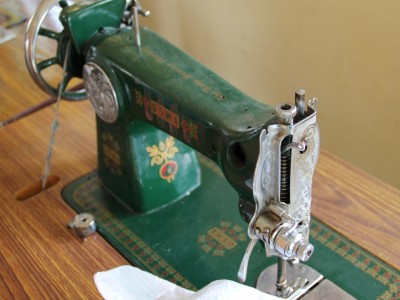
Surrounding the symbols, stick-figure and three-dimensional drawings of girls stand next to a classroom chalkboard, sewing machines and bicycles. They show aspects the education and vocational training received by each girl during recovery. They speak of the mid-day lessons that serve to eradicate root causes of slavery: illiteracy, poverty, vulnerability.
 Stylized bright red, blue and green blooms grace the painting and celebrate the yellow marigolds, pale orange celosia and scarlet canna planted by the survivors. They remind me that where there is no hope, people don’t sow seeds, wait for green shoots to spring from red dirt or anticipate the opening of a bud. In contrast, at Punarnawa growth and hope are as plentiful as the abundant flowers and gardens where children learn to play again during late afternoons.
Faces—some painted with large tears and others shown with smiles and hearts—tell the story of transformation. They tell the story of the center where dedicated teachers, caregivers and medical professionals help girls heal from brutal physical and psychological hurts. The simple drawings depict the journey from captivity and a life without a voice to a future brimming with possibilities, self-esteem, self-expression and power to pursue a life of one’s choosing.
If you knew you could abolish slavery, what action would you take? If you could save the life of one girl or change the circumstances of 27 million slaves worldwide, would you buy a cup of fair trade coffee, make a donation, teach a child to read, demand a new law or spread the word that slavery must stop? What would you attempt to do, if you knew you could not fail?