
Imagine being beaten and denied the right to govern your own life.
Imagine being deprived of basic necessities.
Little food, water, shelter or money — and no education.
That’s the reality of modern-day slavery.
But for 25 families in the village of Titrahi in northern India, that is now behind them.
Thanks to a man named Munnu.
The Brutality of Slavery
The families had been in slavery for a decade before they met Munnu. For the first five years, they worked at a brick kiln. When it closed, the slaveholder transferred them to his farm.
They had been taken forcefully from their homes, and given the equivalent of $1 for 10 days of work. One woman said her husband died because they could not afford to buy medicine. They were held as captives. Humiliated.
“When we went to relieve ourselves, he would come up behind and hit us on the head,” one man recalls about the slaveholder.
“We couldn’t even go to get a drink,” another said, “We didn’t drink as much as we sweated. They would give thousands of abuses if we went for a drink.”
The slaves were treated as objects, as tools.
“If we raised our voice, we were beaten. If we got sick, we were beaten for not working,” one said.
Munnu Strikes Again
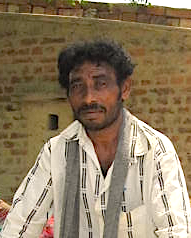
Munnu | Supriya Awasthi photo for FTS
This is where Munnu, a slavery survivor himself, enters the story. (See: From Victim to Liberator Part One here).
Munnu had been rescued by a group of freed villagers working with the FTS frontline partner organization MSEMVS. Munnu and the villagers helped rescue 22 others trapped in slavery at a brick kiln, including Munnu’s family.
Munnu was running his own small business when he discovered another case of rural Indian villagers trapped in slavery. They were the 25 families from Titrahi.
Munnu alerted a MSEMVS fieldworker about the enslaved families. It set the wheels of justice in motion.
MSEMVS and an attorney secretly met with the families to devise a plan to free them. Quickly, authorities were contacted and the families were rescued.
A Fulfilling Life in Freedom
The families still work on farms, but now they earn four to five times as much as they did as slaves. And they are free to come and go as they like.
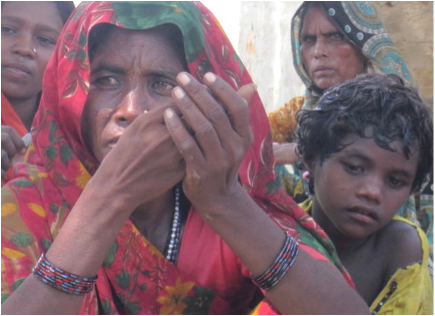
Titrahi survivors in freedom | Supriya Awasthi photo for FTS
They had little hope, but are now establishing fulfilling lives in society. A new slate with new opportunities.
They can send their kids to school. They’re learning new work skills, to earn money without risking enslavement at local farms or factories. They are creating a self-help savings group, to pay for emergencies instead of risking debt-bondage enslavement by borrowing from unscrupulous money lenders.
The highlight of this story is how one person can help the next, creating a chain reaction of freedom.
“We are free now,” the survivors say. “Now nobody can suppress us.”