

On a warm September afternoon in Akure, the lobby of the A&T Presidential Hotel filled with quiet anticipation. Seventeen survivors—most of whom had returned to Nigeria from Senegal in June—arrived with notebooks, questions, and a determination you could feel in the room. Over two days (September 24–25, 2025), Free the Slaves and our partner Emmanuel World Children Foundation, with funding from the Center on Human Trafficking Research and Outreach (CenHTRO) walked alongside them through the next step of reintegration: economic empowerment.
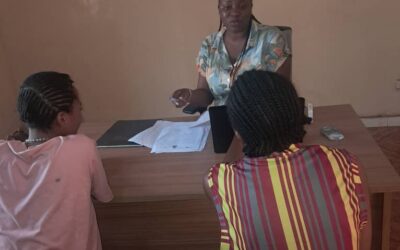
The first conversations were simple but powerful. People told their post-arrival stories—what was working, what wasn’t, where they wanted to be a year from now. Trainers guided practical sessions on money management, savings groups, business growth, and personal health. Then the energy shifted when two past program graduates joined to share their journeys. They spoke about false starts, small wins, and the day things finally clicked. Hands went up around the room. The exchange was candid and hopeful, a reminder that recovery isn’t linear—but it is possible.
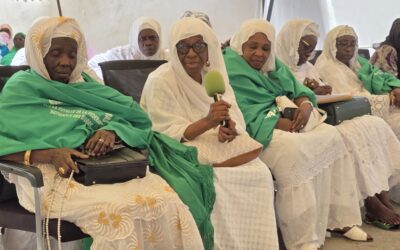
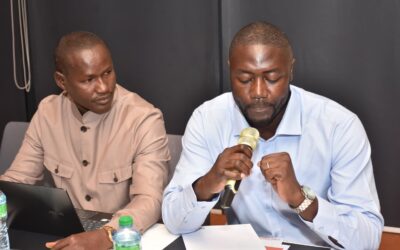
Two delivery trucks had already come earlier in the week, unloading equipment to EWCF’s office in two tranches. By the morning of the 25th, everything was ready. The distribution became more than a handover; it became a community statement. EWCF invited key stakeholders and turned the moment into a small summit on human trafficking. Representatives from NACTAL, the Nigeria Immigration Service, NAPTIP, the Nigeria Police, the Ministry of Women Affairs and Social Development, the National Human Rights Commission, the Ondo State Task Force on Human Trafficking, civil society organizations, youth groups, and anti-trafficking school clubs filled the hall. Two survivor leaders joined a panel discussion—grounding policy in lived experience.
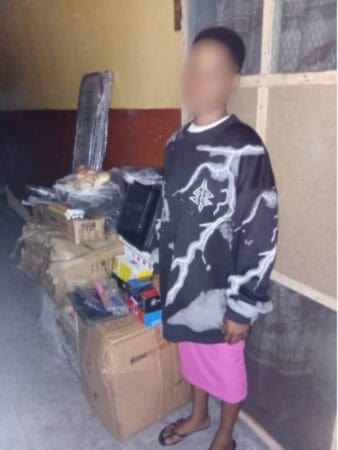
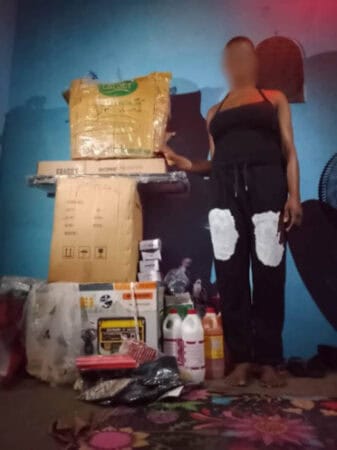
One by one, dignitaries presented symbolic items as survivors’ names were called. Smiles widened; shoulders eased. Ten participants will open or expand hairdressing businesses. Three will grow catering services. Three are launching tailoring and fashion design. One is starting a foodservice enterprise. A minor survivor who has already re-enrolled in school, was unable to attend along with two others who received their equipment this week the next week.
That evening, the group gathered again—this time to celebrate. It wasn’t lavish; it was joyful. There was laughter, a few tears, and a shared sense that the future is no longer something that happens to you—it’s something you build. At dawn on Friday the 26th, people began the trip back to their communities. The EWCF team checked in as buses reached their stops. Photos of new tools next to proud families pinged into phones throughout the day.
This is reintegration in motion: practical support, peer connection, and a local network that keeps doors open. It’s also a reminder that when survivors have the tools and choices they deserve, exploitation loses its grip. In Akure, over two days in September, freedom looked like training notes, starter kits, and a circle of people cheering each other on.