
We receive dispatches throughout the year from our front-line partner groups around the globe. This report, from June, is one of the year’s most uplifting success stories. Nearly a dozen boys were freed, the trajectory of their lives put back on track.
Shattered Hope
Their story is tragically common. The boys are from impoverished communities in the Indian states of Bihar and West Bengal. Relatives, working secretly as trafficking recruiters, promised the boys’ parents that their children would have better lives if they travelled to work at a carpet factory in the city of Bhadohi in the state of Uttar Pradesh. Each parent received an advance payment of $70. Initially, for a month, the boys were paid and their families received $40. But then, the factory owner claimed the boys weren’t productive enough to be paid at all. When the boys complained, they were beaten. They were fed, kept alive to work day by day, but they were not allowed to leave.
Escape, Release, Return
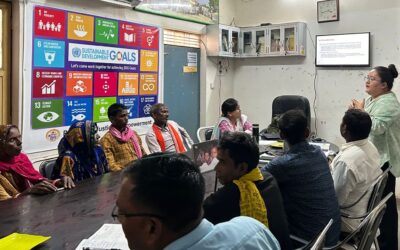
One boy did manage to escape, and fortunately he fled to a nearby village that has already been organized and protected by our front-line partner organization MSEMVS. They alerted local police, who raided the carpet factory to free the other boys. Medical test were conducted and treatment was provided to those in need. The boys were issued “release certificates” that certify they are forced-labor survivors, entitling them to crime victim compensation. The factory owner was charged with violating India’s Bonded Labor Act.
The boys were first taken to a shelter in Varanasi for a temporary stay with the help of TIP UP staff. They are now back home with their families.
A Challenging Case
It wasn’t easy to mobilize police in this case, since the carpet owner was politically connected. As well, it wasn’t easy to get official release certificates. But this success story highlights how the Free the Slaves model – which focuses on liberating entire communities and not just individuals — is creating safe havens where escaped slaves can turn to for sanctuary and assistance. And it underscores how the tireless advocacy of our community organizers is making the justice system work on behalf of those who need it most.
Learn more about our Community Model for Fighting Slavery here. Learn more about our program in India, including footage of a rescue of boys from slavery in a cookie factory, here.