Women Freeing Women from Slavery in Nepal

It’s International Women’s Day – a great opportunity to see for yourself how women are confronting and overcoming human trafficking in one of the world’s worst hot spots, Nepal. Seema and Kamala know firsthand how women who are migrating for work can be tricked and trapped in slavery. It happened to them. Now, they are […]
March 8, 2016

It’s International Women’s Day – a great opportunity to see for yourself how women are confronting and overcoming human trafficking in one of the world’s worst hot spots, Nepal.

Seema and Kamala know firsthand how women who are migrating for work can be tricked and trapped in slavery. It happened to them. Now, they are anti-trafficking leaders, working with women at a village level to help them spot slavery’s warning signs. They also help slavery survivors overcome stigma and isolation when they return home.

Read their story here. Or better yet, watch them in our short video called Stopping the Traffic in Nepal.

This year’s U.N. theme for International Women’s Day is “Planet 50-50 by 2030: Step It Up for Gender Equality.” A key goal is to promote the gender equality component of the U.N’s Sustainable Development Goals. Women and girls comprise more than half of slavery victims today, so it’s vital that efforts to promote a better future for women include a focus on fighting modern slavery. 
Can you help end the conditions that cause modern slavery?

Related Posts

Building Momentum for Nepal’s Alliance 8.7 Roadmap

Building Momentum for Nepal’s Alliance 8.7 Roadmap

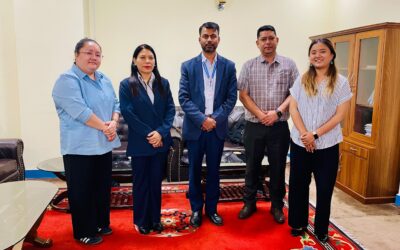
Free the Slaves met with Nepal’s Ministry of Youth, Labor and Employment in Kathmandu to begin planning a September stakeholder workshop under the Alliance 8.7 pathfinder initiative. Ministry leadership raised two priorities: capacity building for provincial officials and stronger national systems for tracking data.

read more
From Research to Action: Advancing Change for Child Domestic Workers in Kathmandu (Part II)

From Research to Action: Advancing Change for Child Domestic Workers in Kathmandu (Part II)

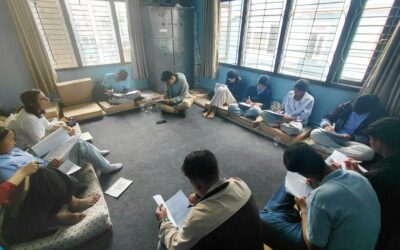
In Kathmandu, tens of thousands of children work as domestic workers, often arriving with promises of education and better opportunities. A new report by Free the Slaves and CWISH Nepal reveals the realities of this largely invisible form of child labor, and the coordinated action needed to address it. Read how FTS and CWISH are turning research into prevention by bringing these findings directly into classrooms and communities in Nepal.

read more