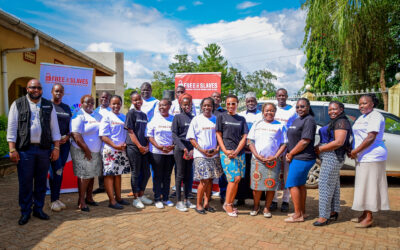
New Video Highlights the Passion for Freedom Among Our Front Line Staff

I’d like to introduce you to five of the most passionate people I know. They are the Free the Slaves country directors – our key front line activists. They supervise our organization’s fieldwork in the world’s worst slavery hotspots. Why do these courageous staffers risk their safety to confront slavery in the remote, impoverished communities […]
November 14, 2013

I’d like to introduce you to five of the most passionate people I know. They are the Free the Slaves country directors – our key front line activists. They supervise our organization’s fieldwork in the world’s worst slavery hotspots.

Why do these courageous staffers risk their safety to confront slavery in the remote, impoverished communities where traffickers prey? One word: freedom. They believe everyone has a right to it. Period.

Their passion for freedom is the focus of our newest Free the Slaves video. It features extraordinary photography, and stories that come from the heart.

As the year begins to draw to a close, it’s natural to reflect on the people and events for which we’re grateful. I am grateful for the opportunity to work with our talented, resourceful and dedicated country directors. They are on the ground every day, helping to free slaves, support survivors and prevent slavery – working with local activists, government officials and law enforcement officers to eradicate trafficking. Without them, Free the Slaves could not achieve what it does. They are bringing an end to slavery.

I am also grateful for supporters like you, who generously donate time and funds to ensure that our country teams can operate. Your ongoing contributions help ensure that no person is left in bondage.

I am constantly amazed by the strength and infectious optimism of our country directors, and I know you will be too. Please watch their video. Then, if you haven’t already renewed your contribution for 2013, please take a moment to do so. You can donate directly from our YouTube channel page.

As Ghana Country Director Joha Braimah says: “I believe slavery can be ended in my lifetime, and in most people’s lifetime, if only we put our mind to it and commit to this cause.”
Can you help end the conditions that cause modern slavery?

Related Posts

From Planning to Action: Grassroots Leaders Advancing Anti-Trafficking and Safe Migration Efforts

From Planning to Action: Grassroots Leaders Advancing Anti-Trafficking and Safe Migration Efforts

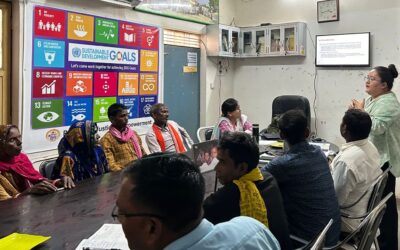
When community members are equipped to lead, lasting protection becomes possible. In eastern Uttar Pradesh, 22 grassroots leaders from Migrant Vigilance Committees and Azad Shakti Abhiyan groups recently completed Community Action Plan workshops, translating a year of training into structured, village-level strategies to prevent exploitation, promote safe migration, and connect vulnerable families to support. Here is what that looks like in practice.

read more
From Research to Action: Advancing Change for Child Domestic Workers in Kathmandu (Part II)

From Research to Action: Advancing Change for Child Domestic Workers in Kathmandu (Part II)

In Kathmandu, tens of thousands of children work as domestic workers, often arriving with promises of education and better opportunities. A new report by Free the Slaves and CWISH Nepal reveals the realities of this largely invisible form of child labor, and the coordinated action needed to address it. Read how FTS and CWISH are turning research into prevention by bringing these findings directly into classrooms and communities in Nepal.

read more
Empowering Partners Through Community Maturity Toolkit Training

Empowering Partners Through Community Maturity Toolkit Training

Sustainable change starts with communities leading their own path to freedom. Through a recent training on the Community Maturity Toolkit, Free the Slaves and partners equipped local organizations in India and Nepal with a practical approach to assess progress, strengthen resilience, and build long-term, community-led solutions to prevent trafficking and modern slavery.

read more