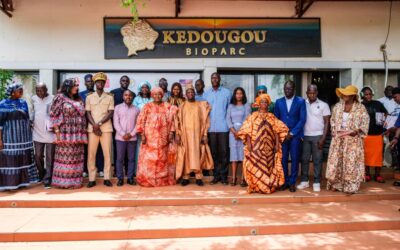

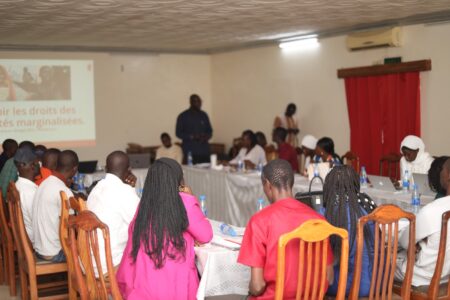
A two-day media capacity building workshop was held on December 4th and 5th, 2023, in Kédougou, where 20 journalists from various media houses came together to deepen their understanding and reporting skills on a grave issue affecting the region, which is the sexual exploitation of girls in gold mine sites. This workshop is part of a broader initiative aimed at combating this form of trafficking in persons (TIP), focusing on enhancing media coverage to foster awareness and action.
The workshop aimed to equip journalists with a comprehensive understanding of the concepts and legislative frameworks concerning trafficking in persons, with a specific focus on the sexual exploitation of girls in the Kédougou gold mining areas. Training sessions covered government accountability, media techniques for covering TIP cases, and sensitive approaches to interviewing and writing about victims, emphasizing confidentiality and trauma awareness.
Participants, with their diverse expertise and sensitivities to the phenomenon, enriched the discussions with insightful interventions and questions. This collaborative environment fostered a deeper understanding and commitment to reporting on TIP with the sensitivity and depth it requires.
A key aspect of the workshop was connecting journalists with the main program implementers, providing them with a holistic view of the efforts underway to combat sexual exploitation in the region. Interviews conducted post-training with Aliou Bakhoum of NGO La Lumiere and Sokhna Fatou, an FTS program officer, were pivotal in highlighting the realities of sexual exploitation and detailing the program’s components and objectives.
Presentations by the Center on Human Trafficking Research & Outreach (CenHTRO) on the program’s philosophy, UNODC on its prosecution components, and Free the Slaves on its prevention and protection components offered a comprehensive overview of the multifaceted approach being undertaken to address the issue.
The workshop also celebrated the achievements of journalists like Diabakhate, who has been recognized for his contributions to reporting on migration and human trafficking in the Kédougou area, underscoring the vital role of the media in bringing these issues to light.
The creation of a WhatsApp group, “Infos sur la traite des personnes” (Info on TIP), following the workshop, is a testament to the event’s success in fostering ongoing dialogue and collaboration among journalists. The suggestion to create a journalist network on TIP reflects a collective commitment to enhancing the quality and reach of reporting on this critical issue.
Looking ahead, there are plans to collaborate with journalists on a documentary focusing on sexual exploitation in Kédougou. This project aligns with the broader awareness campaign, leveraging media as a powerful tool in educating the public and mobilizing action against trafficking in persons.
The workshop and its outcomes have garnered attention from various media outlets, highlighting the importance of the issue and the concerted efforts to address it. For more information and to view the press coverage of the activity, please visit the provided links to articles and TV news coverage. This workshop represents a significant step forward in the fight against the sexual exploitation of girls in Kédougou, highlighting the crucial role of the media in raising awareness and prompting action to eradicate trafficking in persons in all its forms.
These activities are funded by the U.S. Department of State Office to Monitor and Combat Trafficking in Persons. The opinions, findings, and conclusions therein are those of the author[s] and do not necessarily reflect those of the United States Department of State.