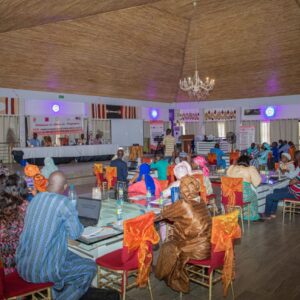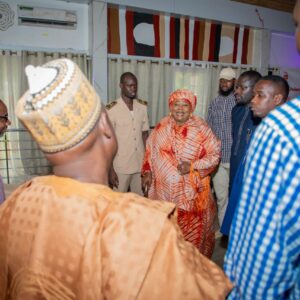
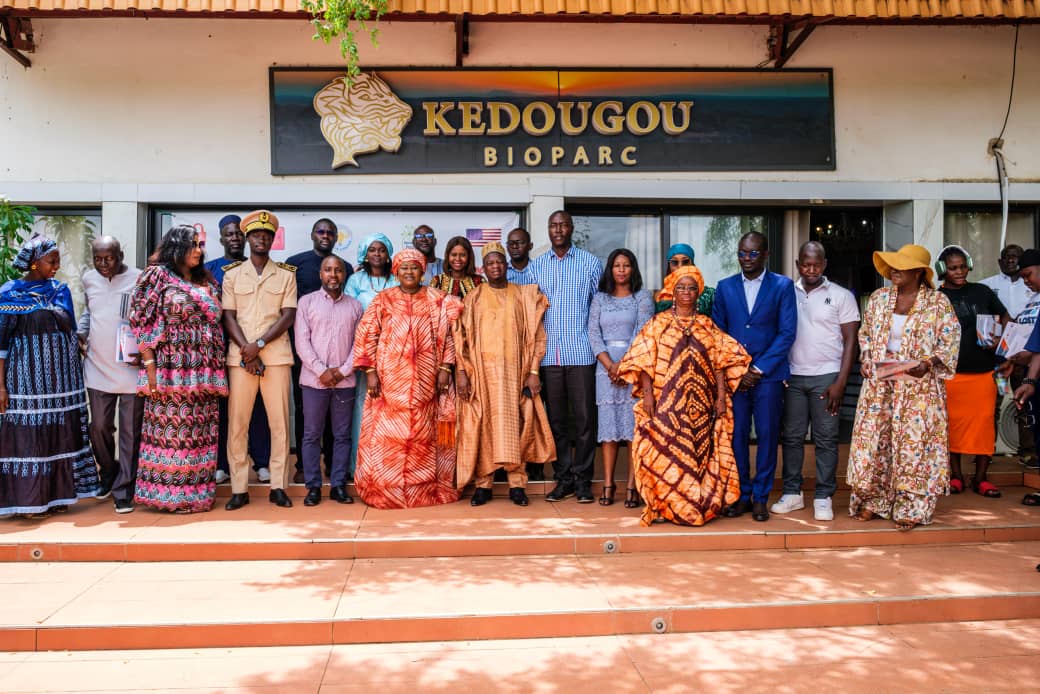

In a poignant and solemn gathering, stakeholders, activists, and community members recently convened for the closing ceremony of a significant anti-trafficking project. The event marked not only the culmination of tireless efforts but also a moment to reflect on the progress made, challenges faced, and the enduring commitment to combat one of the most heinous crimes affecting humanity today.
The ceremony opened with an acknowledgment of the strides made during the project’s duration by the Senegalese Minister of Family and Solidarities, Mrs. Maimouna Dieye. Joining her were His Excellency Dr. Salihu Abubacar, Ambassador of the Republic of Nigeria; Mr. Bukeni Waruzi, Executive Director for Free The Slaves; and Mr. Gabriel Manga from CenHTRO. Key statistics and stories were shared, highlighting the lives touched and transformed through prevention, escape from exploitation, and rehabilitation efforts. In total, 211 survivors were assisted and reunited with their families and communities. Nineteen Community Vigilance Committees were established, and 300 actors from the police, gendarmerie, magistrates, journalists, and community actors were trained to facilitate the identification and protection of victims as well as the prosecution of traffickers. Special thanks were extended to the donors, particularly the U.S. State Department, and CenHTRO for their financial support. Yet, amidst these successes, the harsh reality of ongoing challenges was also underscored – the resilience of criminal networks, the vulnerabilities of at-risk populations, and the need for sustained advocacy and action.
Central to the ceremony were voices of courage – survivors of trafficking who bravely shared their harrowing journeys and subsequent paths to recovery through a video created by the Emmanuel World Child Foundation, one of the implementing partners of Free The Slaves. Their testimonies served as powerful reminders of both the horrors of trafficking and the resilience of the human spirit. Each story illuminated the importance of survivor-centered approaches in combating trafficking, ensuring that those affected receive the support and justice they deserve.
A significant portion of the ceremony was dedicated to honoring the champions and collaborators who had dedicated their expertise, resources, and passion to the cause. Representatives from governmental agencies, non-profit organizations, law enforcement, and judicial authorities were recognized for their unwavering commitment and collaborative efforts. Their collective impact was evident in the tangible outcomes achieved throughout the project’s lifecycle.
As the ceremony progressed, a call to sustain momentum echoed through the venue. All speakers were unanimous in saying that the project had to continue. They emphasized the importance of continued vigilance, funding, and policy development to prevent trafficking, protect victims, and prosecute perpetrators. Participants were encouraged to carry forward the lessons learned and forge partnerships that transcend borders and sectors, ensuring a unified front against this global scourge.
As the closing ceremony drew to a close, participants departed with a renewed sense of purpose and determination. The event had not only celebrated achievements but had also strengthened bonds among stakeholders and ignited a shared commitment to a future free from trafficking in Kedougou. The legacy of the project would endure, inspiring continued advocacy and action in communities in Senegal and West Africa.
The closing ceremony was a testament to the power of collaboration, compassion, and unwavering dedication in the fight against human trafficking. It marked a pivotal moment in the ongoing struggle for justice and dignity, leaving an indelible impact on all those who had contributed and participated.