
Climate change is often discussed in terms of rising temperatures, extreme weather events, and environmental degradation. But what is sometimes less visible—yet no less urgent—are its human consequences. Extreme weather events and slow-onset environmental changes can deepen existing inequalities, strain livelihoods, and increase vulnerability to exploitation, including human trafficking. These risks are not abstract. They affect real people, real families, and real communities.
The report From Climate Crisis to Human Exploitation, a joint research project carried out by Free the Slaves and the Commonwealth Human Rights Initiative, was developed in response to a simple but critical question: how does climate change intersect with human exploitation risks in Small Islands Developing States such as Antigua and Barbuda? By grounding the research in local realities and lived experiences, the report seeks to move beyond global narratives and provide evidence that is relevant, actionable, and context specific.
What’s happening on the ground
When hurricanes damage hotels, reefs, farms, and fishing grounds, livelihoods disappear overnight. Tourism, agriculture, and fisheries — the backbone of the local economy — are among the most climate-exposed sectors. Without savings or alternative employment opportunities, many people are pushed into poverty and desperation.
Climate shocks also destroy homes and displace families. Unsafe housing and forced mobility increase exposure to violence and abuse, particularly for women, children, and those living in informal settlements. At the same time, food and water insecurity is intensifying, as droughts, saltwater intrusion, and ecosystem degradation make basic needs harder to meet.
These pressures do not affect everyone equally. Women and girls, especially single mothers, face heightened risks when income dries up. Our research documents how economic desperation can push some women into informal bar work that exposes them to sexual exploitation and coercion. Climate stress is also linked to rising domestic violence, as economic strain and social expectations collide.
Men and boys are not immune. Many are forced into informal, low-paid manual labour where wage theft and abuse are common. Young men may also face sexual exploitation — experiences that often remain hidden due to stigma.
Why this matters and what must be done
What makes these findings especially urgent is that climate responses and anti-exploitation efforts are still largely disconnected. Climate policies often focus on infrastructure and resilience without recognising how loss of income, displacement, and insecurity increase the risk of abuse. When exploitation is overlooked, climate shocks become accelerators of harm.
The report calls for urgent action to:
- Invest in climate-resilient infrastructure and safe shelters that reduce exposure to exploitation after disasters
- Strengthen food and water security to prevent harmful coping strategies
- Protect livelihoods in climate-sensitive sectors like tourism and agriculture
- Ensure education continues during climate disruptions, reducing long-term vulnerability
- Integrate exploitation prevention into climate adaptation and disaster response at national and regional levels
From research to action
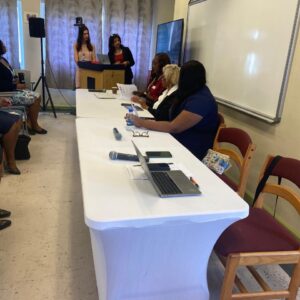
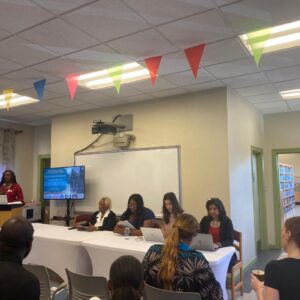
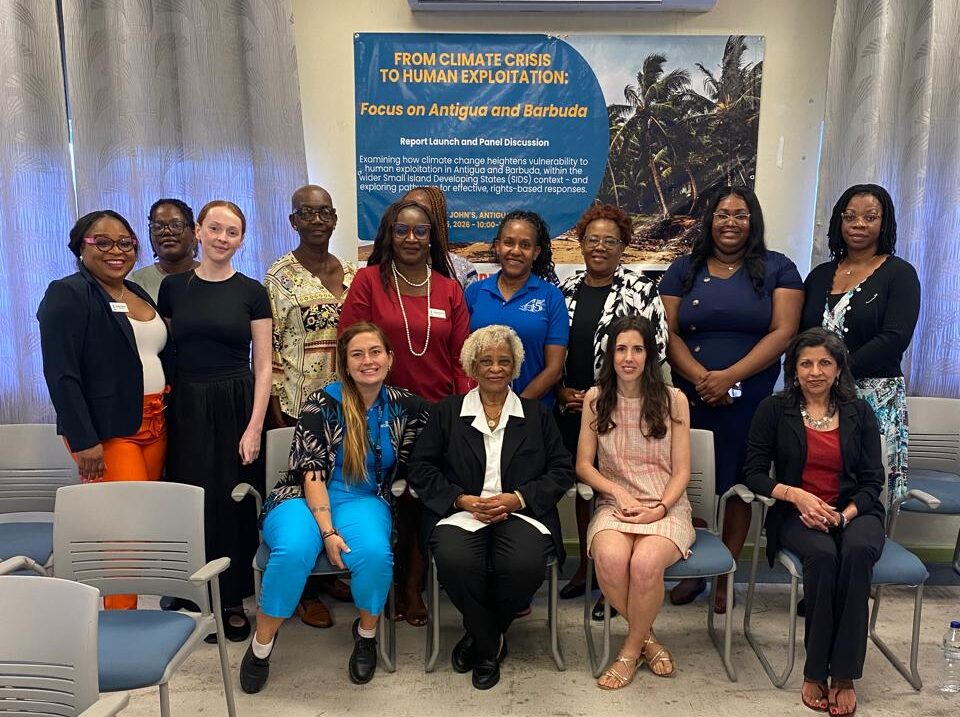
The research findings and recommendations were presented on February 5th during an event in St John’s, Antigua, that saw the participation of government officials (Dept of Public Safety and Labor, Gender Affairs Dept, Ministry of Immigration, Counter Trafficking Unit, Environment Dept), civil society organizations, UN agencies (UN Women and UN Regional Coordinator Office for Eastern Caribbean) and national media.
The event was not the end of a research process, but rather the beginning of a conversation. The presentation of the report sparked dialogue, encouraged collaboration across sectors and ministries, and contributed to practical action that reduces vulnerability and promotes dignity and resilience for all. During the event, stakeholders reflected on the findings and linked them to their work, identifying concrete ways to implement the recommendations in the country.
Read the full report to learn more about the findings and recommendations: https://links.freetheslaves.net/Antigua-and-Barbuda-Report
Read the article published on the research and the launch event in the Observer of Antigua and Barbuda: https://antiguaobserver.com/report-links-human-exploitation-to-climate-change/
Read the Factsheet: Factsheet