Are you a Fed, or do you know one?

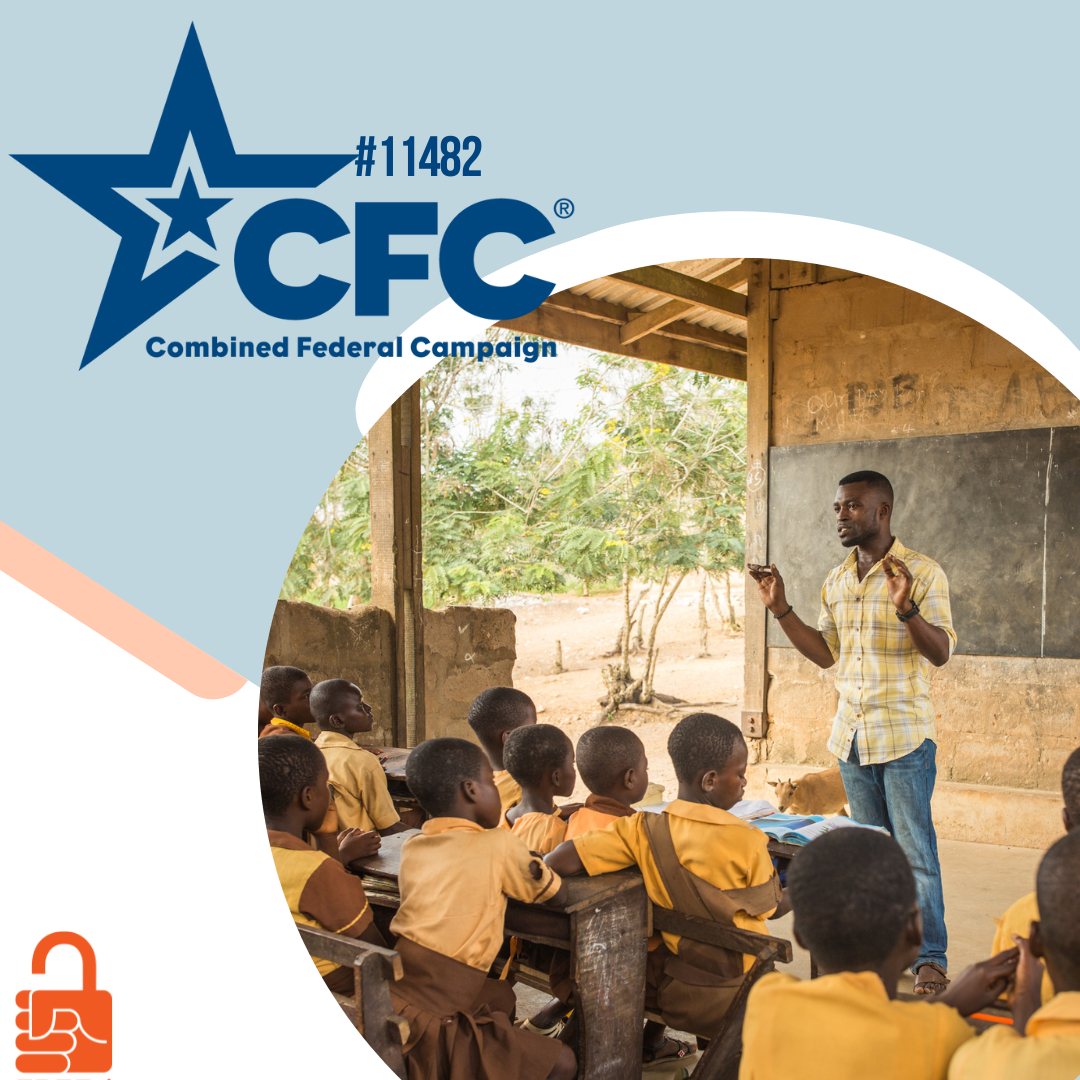
If you work for the U.S. government, you probably know what the letters CFC mean. It’s the Combined Federal Campaign, and it allows federal employees to donate to nonprofit groups automatically each month. We’re happy to report that Free the Slaves has once again qualified for CFC contributions. Our CFC number is 11482. Federal employees […]
August 20, 2012

If you work for the U.S. government, you probably know what the letters CFC mean. It’s the Combined Federal Campaign, and it allows federal employees to donate to nonprofit groups automatically each month.

We’re happy to report that Free the Slaves has once again qualified for CFC contributions. Our CFC number is 11482. Federal employees have until the end of 2012 to determine their monthly charitable contributions for 2013.

Recurring donations, no matter how large or small, are vital so FTS can budget for ongoing frontline work in India, Nepal, Ghana, Congo, Brazil and Haiti.

As you might imagine, cash flow is essential to a nonprofit organization. We can’t spend what we don’t have. That’s why a base of recurring donations is important. It sustains momentum, so we can help those in slavery to escape and assist the vulnerable to resist enslavement in the first place.

Thanks to the many federal employees who already contribute to Free the Slaves—please spread the word that our CFC number is 11482.


Can you help end the conditions that cause modern slavery?

Related Posts

Support FTS through the CFC!

Support FTS through the CFC!

Here are 3 reasons why you should support Free the Slaves through the Combined Federal Campaign (CFC) : Liberation - Your pledge can literally help us #FreetheSlaves! By donating to FTS, your funds can help support our work in liberating enslaved people in places like...

read more

How You Can Change the World in 90 Seconds

It must have seemed like an impossible challenge more than 150 years ago, that the moral imperative to end the slave trade and injustice it inflicted on Africans could actually succeed. Back then, slavery was considered ethically acceptable and economically necessary....

read more