
Human trafficking and modern slavery continue to evolve globally, affecting women, children, migrants, refugees, and economically vulnerable populations through forced labour, deceptive recruitment practices, online exploitation, and irregular migration pathways. As trafficking methods become increasingly complex, strengthening legal frameworks, survivor protection systems, and national accountability mechanisms remains critical.
In April 2026, Free the Slaves (FTS) participated in two key national engagements aimed at strengthening Kenya’s response to trafficking in persons and advancing the implementation of human rights commitments.
As the UPR Counter-Trafficking Cluster Lead under Kenya’s 4th Cycle of the Universal Periodic Review (UPR) process, FTS contributed to national discussions focused on improving survivor protection, strengthening accountability systems, and promoting coordinated responses to trafficking and modern slavery.
Strengthening Kenya’s Anti-Trafficking Legal Framework
One of the major activities FTS participated in was the multi-stakeholder review of the 2010 Counter-Trafficking in Persons (CTIP) Act Amendment Bill, held on Friday, 17 April 2026.
The engagement brought together government officials, survivors of human trafficking, civil society organizations, development partners, private sector actors, and organizations supporting refugees and asylum seekers to review proposed amendments to Kenya’s anti-trafficking law.
Discussions led by the Counter Trafficking in Persons Secretariat (CTiP) focused on strengthening legal provisions related to victim protection, prosecution of traffickers, accountability mechanisms, and emerging forms of exploitation.
Stakeholders examined critical issues including:
- technology-facilitated trafficking,
- forced criminality,
- labour exploitation,
- deceptive recruitment practices,
- online exploitation, and
- gaps in victim identification and referral systems.
Additional recommendations focused on:
- strengthening oversight of recruitment agencies,
- improving survivor support services,
- increasing accountability for officials involved in trafficking-related offences,
- and introducing stronger penalties for traffickers and legal entities involved in exploitation.
FTS contributed field-informed perspectives drawn from its work with vulnerable communities and emphasized the importance of survivor-centered and inclusive protection systems that respond to the evolving realities of trafficking in persons.
“Human trafficking continues to evolve, and our response systems must evolve with it through stronger collaboration, accountability, and survivor-centered approaches,” said Ruth Njuguna from the CTIP Secretariat.
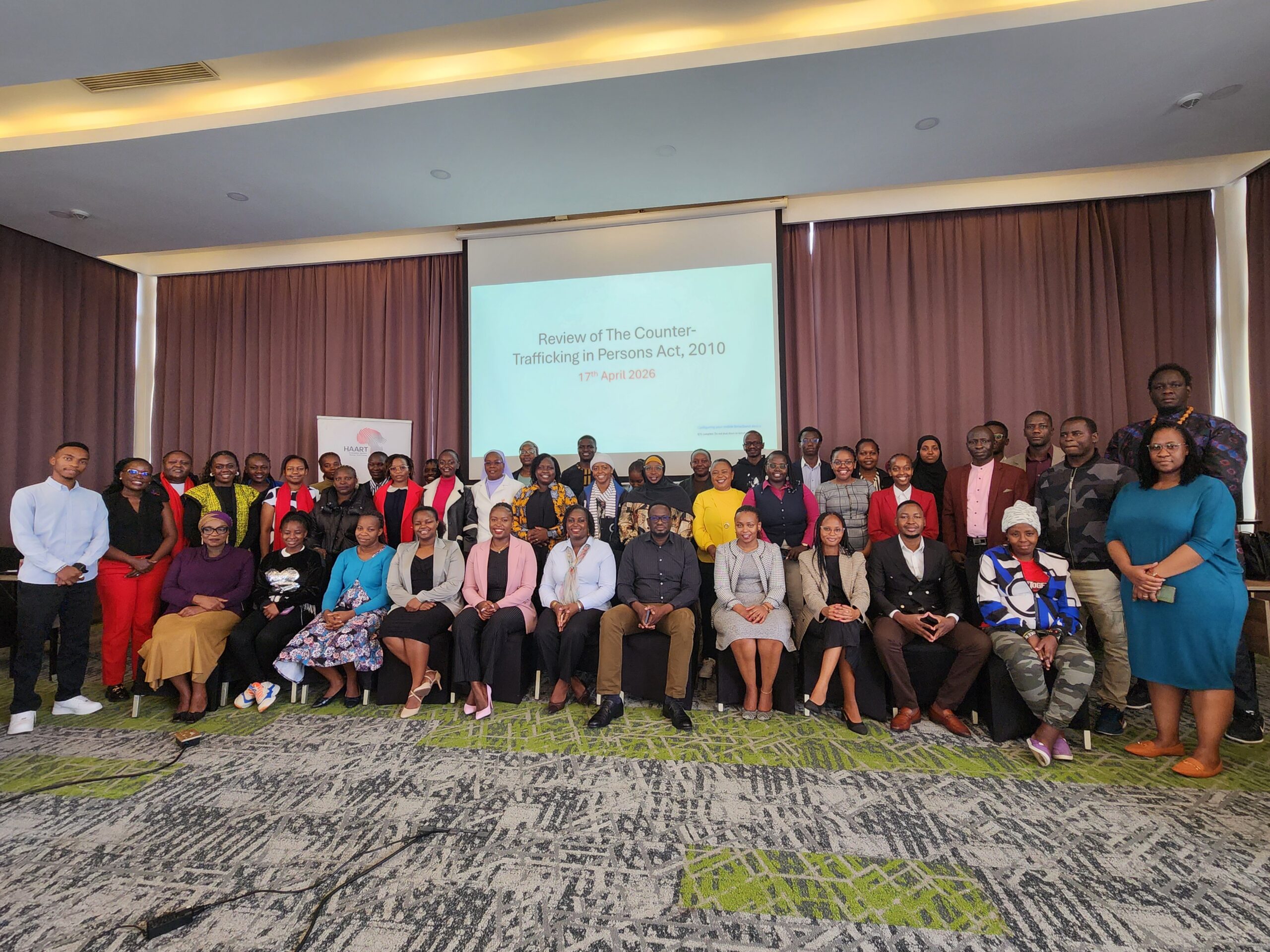
Stakeholders during the review meeting of the Counter-Trafficking in Persons Act, Amendment Bill.
Advancing Human Rights Commitments Through the UPR Process
FTS also participated in the UPR Implementation Plan and Human Rights Policy and Action Plan Validation Workshop hosted by the State Department for Justice.
The five-day technical workshop focused on validating Kenya’s UPR Implementation Matrix and reviewing the Human Rights Policy and Action Plan through technical reviews, thematic discussions, breakout sessions, and consensus-building processes.
The Universal Periodic Review is a United Nations mechanism that evaluates the human rights records of member states and supports implementation of national human rights commitments.
As the Counter-Trafficking Cluster Lead within the 4th Cycle UPR process, FTS contributed to discussions aimed at integrating trafficking and modern slavery concerns into Kenya’s broader human rights agenda.
Key discussions focused on improving survivor support systems, strengthening investigation and prosecution efforts, enhancing oversight of labour recruitment systems and digital job platforms, improving coordination among institutions, and increasing public awareness initiatives targeting high-risk populations.
The workshop reinforced the importance of multi-stakeholder collaboration in strengthening protection systems and ensuring that human rights commitments translate into practical action for vulnerable communities.
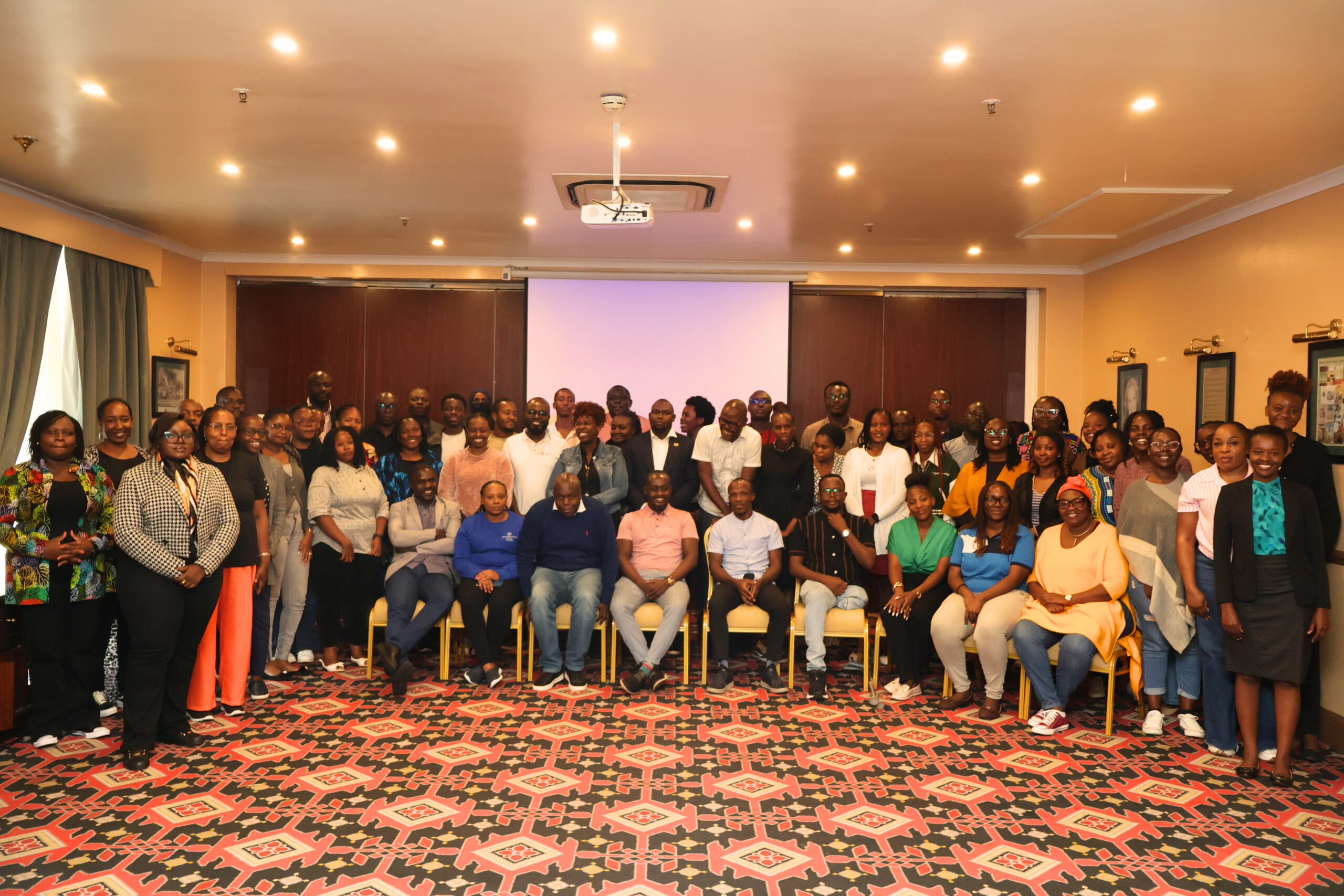
Stakeholders during the UPR Implementation Plan and Human Rights Policy and Action Plan Validation Workshop hosted by the State Department for Justice.
Building Stronger Systems Through Collaboration
The April engagements reinforced the importance of collective action in combating human trafficking and advancing human rights protection.
While policy and legislative processes often take place behind the scenes, their impact directly influences how survivors access protection, justice, and support services. Stronger laws, coordinated referral systems, and effective human rights policies are essential in building safer communities and improving protection for vulnerable populations.
Through its continued engagement in national policy reform and human rights processes, FTS remains committed to supporting initiatives that promote dignity, accountability, inclusion, and long-term systemic change across Kenya.
As trafficking trends continue to evolve globally, collaborative efforts such as these remain essential in building stronger systems that prevent exploitation and protect human rights for all.