Survivor-Led Radio Shows in Nairobi Illuminate Human Trafficking Realities

These survivor-led radio shows not only educated the public but also empowered survivors to share their stories and advocate for change. The discussions reached a wide audience, raising awareness and encouraging collective action against human trafficking.
August 5, 2024

In April and early May 2024, the airwaves of Radio Maria in Nairobi, Kenya, became a platform for important discussions on human trafficking. Radio Maria Kenya, a non-profit Catholic radio station, broadcasts to around 500 million listeners globally.

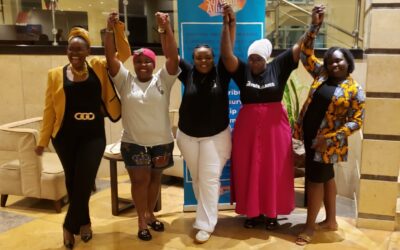
Supported by Free the Slaves, ten survivor leaders were divided into four teams to raise awareness about human trafficking. This initiative highlights the success of Free the Slaves’ survivor engagement program, empowering survivors to become advocates and leaders in the fight against human trafficking.

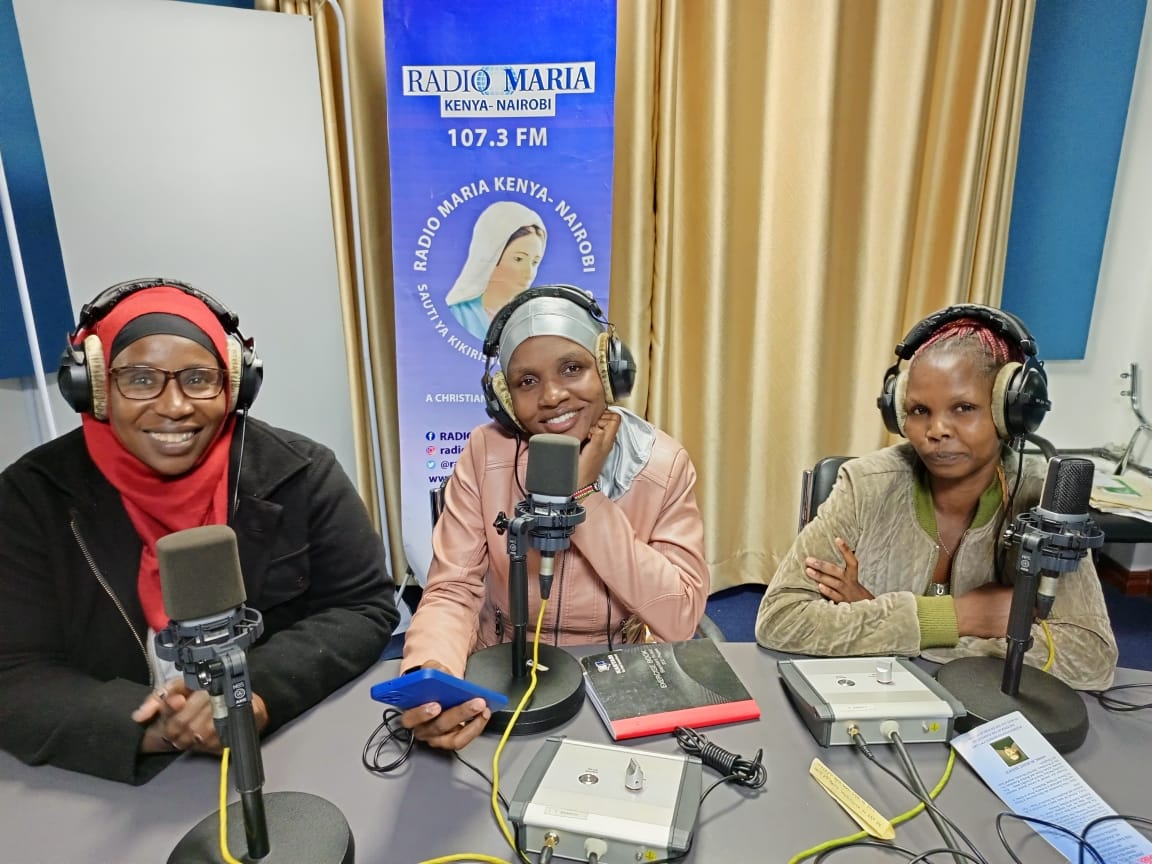
On April 14th, 2024, the first team, including Aidah Muli, Purity Mbogo, and Petky Kiringa, discussed Alliance 8.7 and shared their personal experiences with human trafficking.

Aidah Muli emphasized, “We refuse to let the shadows of exploitation obscure the light of justice.”
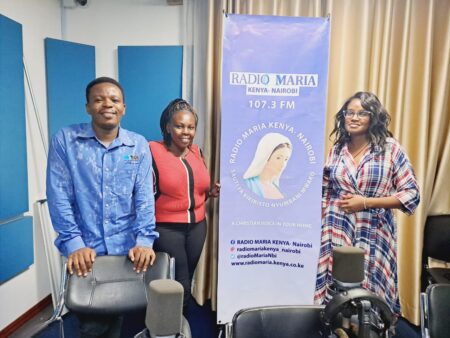
On April 21st, 2024, Wanja Kimani and Milliam Kamau addressed common misconceptions about human trafficking.

Wanja Kimani stated, “By dispelling myths, we pave the way for truth to shine through.”
Philip Kinyanjui and Sophia Amimo took to the air on April 28th, 2024, to discuss Alliance 8.7’s objectives and the importance of including survivor voices in Kenya’s efforts against modern slavery. Sophia Amimo provided valuable insights from her work with migrant returnees, connecting listeners with essential support networks.
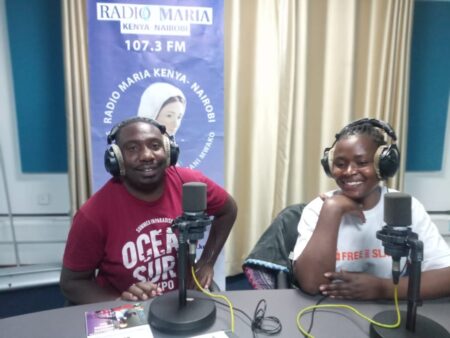
The final team, Brenda Odhiambo, Beryl Oginga, and Fauziah Wanjiru, concluded the series on May 5th, 2024. They stressed the need for prevention and vigilance in combating human trafficking.

Brenda Odhiambo called for action: “Our voices are a beacon of hope in the fight against human trafficking.”
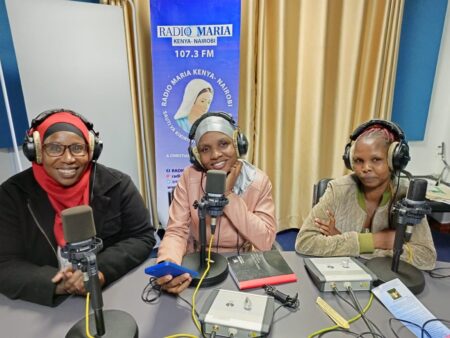
These survivor-led radio shows not only educated the public but also empowered survivors to share their stories and advocate for change. The discussions reached a wide audience, raising awareness and encouraging collective action against human trafficking.

Let us remain vigilant, let us extend compassion, and let us stand united against the scourge of human trafficking. For in our collective efforts lies the promise of a brighter, more just future for all.
Can you help end the conditions that cause modern slavery?

Related Posts

Kenyan Trafficking Survivors Lead Landmark Legal Action to Advance Safer Migration and Accountability

Kenyan Trafficking Survivors Lead Landmark Legal Action to Advance Safer Migration and Accountability

In Kenya, survivors of trafficking are leading a landmark push for safer migration. Free the Slaves and Kituo cha Sheria, together with Haki Jamii Rights Centre and 12 survivor petitioners, are pursuing a public-interest case calling for stronger protections for Kenyan migrant workers—especially women employed as domestic workers in the Gulf. The case, grounded in lived experience and survivor testimony, exposes systemic gaps in recruitment, oversight, and worker protection, and seeks long-term reforms that ensure dignity, accountability, and safety for all Kenyans working abroad.

read more
Caribbean Anti-Trafficking Conference: One Year of CCATIP, 25 Years of the Palermo Protocol

Caribbean Anti-Trafficking Conference: One Year of CCATIP, 25 Years of the Palermo Protocol

Free the Slaves, in its role as Secretariat to the Caribbean Coalition Against Trafficking in Persons (CCATIP), helped convene a four-day regional conference to reflect on 25 years of the Palermo Protocol and strengthen collective responses to trafficking across the Caribbean. Bringing together governments, civil society, survivor leaders, youth advocates, regional agencies, and international partners, the conference provided space to assess progress, share innovations, and chart strategic priorities for the decade ahead. Grounded in survivor-informed and community-centered approaches, the gathering underscored that lasting change requires collaboration, accountability, and sustained care for those working on the frontlines of anti-trafficking efforts.

read more
Strengthening Networks to Prevent and Respond to Labor Exploitation

Strengthening Networks to Prevent and Respond to Labor Exploitation

Free the Slaves, in partnership with Conexión NGO, recently trained nearly 50 members of the Red Boliviana contra la Trata y Tráfico de Personas (RBcTTP) to strengthen their capacity to prevent, detect, and respond to trafficking for forced labor.

The two-day workshop blended international frameworks, practical indicators, and lived experience to bridge knowledge and action.

read more