
Free the Slaves is Making Movies to Inspire Social Change

Imagine this scene in remote town in the Congo. A van pulls up and workers jump out to erect a giant screen. At sunset, a movie starts to play in the village square. In a community without electricity, people gather to watch the spectacle, transfixed by a story on the screen that reflects their own […]
May 8, 2015

Imagine this scene in remote town in the Congo. A van pulls up and workers jump out to erect a giant screen. At sunset, a movie starts to play in the village square. In a community without electricity, people gather to watch the spectacle, transfixed by a story on the screen that reflects their own struggles with slavery. Suddenly, their outlook on life is transformed.

That’s the remarkable scene that volunteer documentary makers Cassie and Jordan Timpy have captured in their latest video from the front lines of slavery. Their short video is called “Movie Night in the Congo.” It shows how Free the Slaves and our partner organizations are using movies to build awareness about slavery and to inspire community action to overcome it.

Free the Slaves commissioned a half-hour dramatic film, called “Hatuko Watumwa”—which means “We Are Not Slaves.” The drama depicts how accidents and poor health care can force family members into financial emergencies that lead to debt-bondage slavery. The film also depicts how community members can work together to confront slavery and demand justice.

The world premiere of Hatuko Watumna was three weeks ago in Rubaya, a community in the heart of Congo’s “conflict minerals” region where slaves are forced to work at mines that benefit combatants in the country’s armed conflict. After the screening, activists lead a group discussion about the lessons of the film, and how villagers can resist slavery in their community by banding together. “Movie Night in the Congo” is the story of making the film, and its premiere screening in the DRC.

The mobile cinema road show is currently visiting other villages in the eastern DRC. The Hatuko Watumwa film is now being subtitled into English and will premiere in the U.S. later this year.

Movie Night in the Congo” is the second installment in the Timpy’s Face to Face with Slavery video series. Free the Slaves will feature a new film from our front-line countries every other week for the next four months. You can see the Timpy’s first film, “Stopping the Traffic,” filmed in Nepal just before the recent earthquake, on our website video page.

To learn more about our anti-slavery program in the Democratic Republic of the Congo, visit our Congo webpage.
Can you help end the conditions that cause modern slavery?

Related Posts

Una Nueva Herramienta para la Acción: Diez Conversaciones que Abren Oportunidades contra la Esclavitud Moderna en América Latina

Una Nueva Herramienta para la Acción: Diez Conversaciones que Abren Oportunidades contra la Esclavitud Moderna en América Latina

Conversaciones sobre Esclavitud Moderna reúne a agencias de la ONU, profesionales de gobierno, voces del sector privado, personas sobrevivientes e investigadores en una colección en español — un recurso práctico para quienes trabajan en la prevención de la explotación en América Latina, justo cuando las nuevas regulaciones comerciales convierten ese trabajo en una ventaja de acceso a mercados.

read more
A New Tool for Action: Ten Conversations that Open Opportunities against Modern Slavery in Latin America

A New Tool for Action: Ten Conversations that Open Opportunities against Modern Slavery in Latin America

Conversaciones sobre Esclavitud Moderna brings together UN agencies, government practitioners, private sector voices, survivor leaders, and researchers in one Spanish-language collection — a practical resource for anyone working to prevent exploitation in Latin America, right when new trade regulations are turning that work into a market access advantage.

read more
Advancing SDG 8.7 in the DRC: Building Capacity to End Child and Forced Labor in the Mining Sector

Advancing SDG 8.7 in the DRC: Building Capacity to End Child and Forced Labor in the Mining Sector

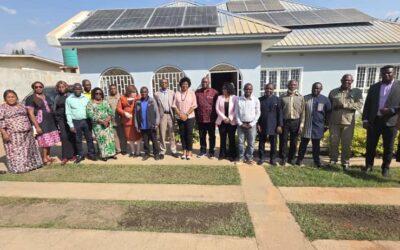
In Lubumbashi, at the heart of the DRC’s mining region, Free the Slaves (FTS) and Alternatives Plus brought together civil society, government, and mining industry stakeholders for a two-day training on Sustainable Development Goal (SDG) 8.7. The sessions equipped local actors with tools to identify, prevent, and eliminate child and forced labor in artisanal mining—turning global commitments into grassroots action.

read more