
Did you know that 1 in 4 victims of modern slavery are children?
At 7 years old, Kwezi left his childhood home with expectations of a better life and more opportunities. But that was far from his reality. Instead, he was tricked by traffickers and was forced to work on dangerous and deadly fishing boats, with little food and rest.
What happened to Kwezi has happened to more than 10 million children worldwide: systemic child slavery. Disadvantaged families in impoverished countries are targeted by traffickers. With nobody watching, children far from home are beaten into submission and forced to work without pay or hope. Children are also trafficked, forced into marriage and armed conflict, or exploited for the profit of others.
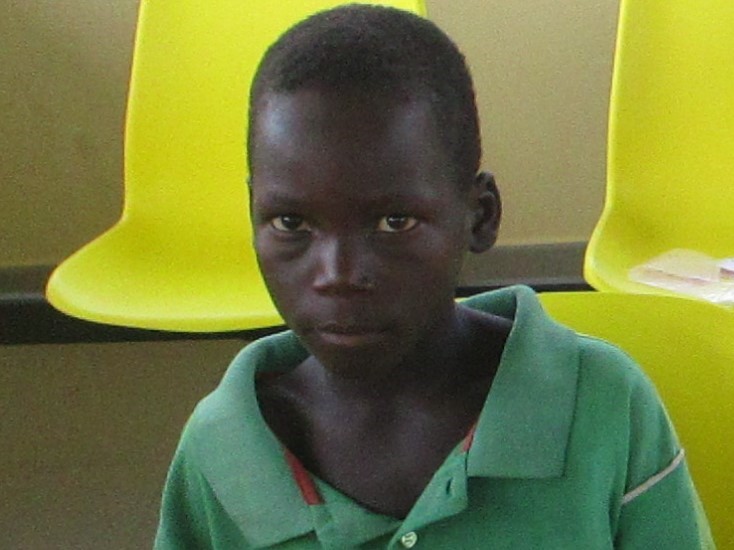
“I woke up at dawn and worked until dusk, bailing water out of the boat, paddling the boat, pulling the net and processing fish with my master’s wife.” –Kwezi
Slavery degrades people through the violent coercion of their labor, in conditions that dehumanise them. Ignoring the violation of one human right potentially leads to the normalization of the abuse of other human rights. Modern slavery is worst in Africa and Asia, fueled by global inequality and discrimination. Too often, it’s children who are caught in slavery’s vicious grip.
Free the Slaves recognizes the importance of maintaining constant vigilance to identify and address any issues associated with slavery and human trafficking. We are focused on changing the conditions that allow modern slavery to exist.
Take a stand for dignity, justice and a world free from modern slavery. Your support of Free the Slaves helps change the world, one child at a time.
Fortunately, Free the Slaves has been working with local groups in thttps://www.freetheslaves.et/donatehe region where Kwezi was enslaved. Together we are on constant lookout for child trafficking victims. When the field staff learned of Kwezi’s situation, they partnered with government officials to pressure the trafficker to release him.
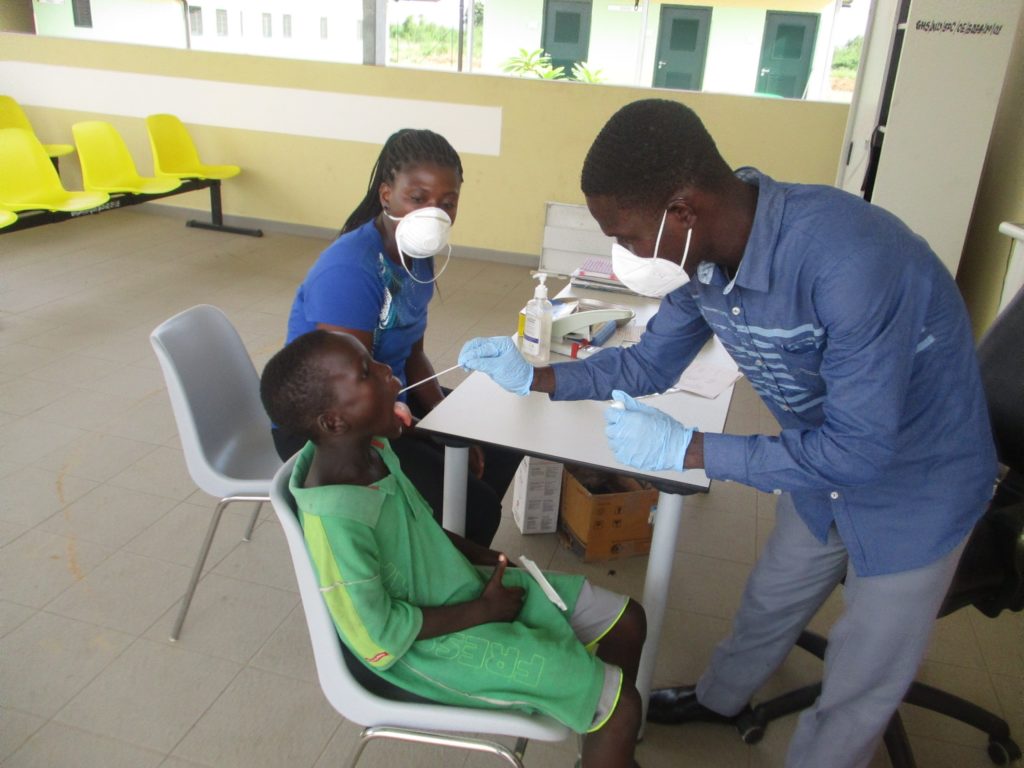
Kwezi is now free. Doctors have screened him for COVID-19. Psychologists provide trauma counseling. He’s eating better and catching up on schooling. Social workers will ensure that when Kwezi returns home, he will not be re-trafficked.
Free the Slaves works to protect other children from being sent away in the first place. By establishing savings and loan associations, and by assisting in the development of new job opportunities, we build economic resilience. We’re providing masks and hygiene kits to prevent COVID-19 from overtaking villages and increasing vulnerability.
Success stories like Kwezi’s are happening every day in communities where the Free the Slaves holistic approach to sustainable freedom is at work. Your contribution will allow us to continue and expand this vital human rights work. Thank you for helping to foster equality for everyone, everywhere.

P.S. Kwezi is a pseudonym to protect the child’s safety. His story was reported by our partner organization International Needs Ghana.