Our Impact
Through thousands of us working together
People freed from slavery
Years of community-led expertise
People educated to prevent slavery
Integrated services across the full cycle of change
Government officials trained
Regulatory frameworks we help companies navigage
How We Work With Partners
Human rights responses grounded in local context
From supply chain due diligence in cocoa and agricultural commodities to Training of Trainers and multi-stakeholder industry initiatives, our field-tested approach helps companies move beyond compliance reporting toward sustainable, locally-grounded solutions. Partner names are kept confidential in line with our data protection commitments.
Supply Chain Due Diligence
Industry Initiatives
Training & Capacity Building
Community-Based Monitoring

Our Services
The community-based model
Prevention
Community sensitization, radio campaigns, and engagement of traditional leaders and local authorities to reduce vulnerability and shift norms.
Identification
Training investigators and community vigilance committees to recognize indicators of forced labour, child labour, trafficking, and gender-based violence.
Remediation
Supporting structured case management, referral pathways, and remediation processes — including coordination with government services and protection mechanisms.
Research
Generating evidence on the root causes and dynamics of modern slavery to inform programming, policy advocacy, and private sector response.
Training
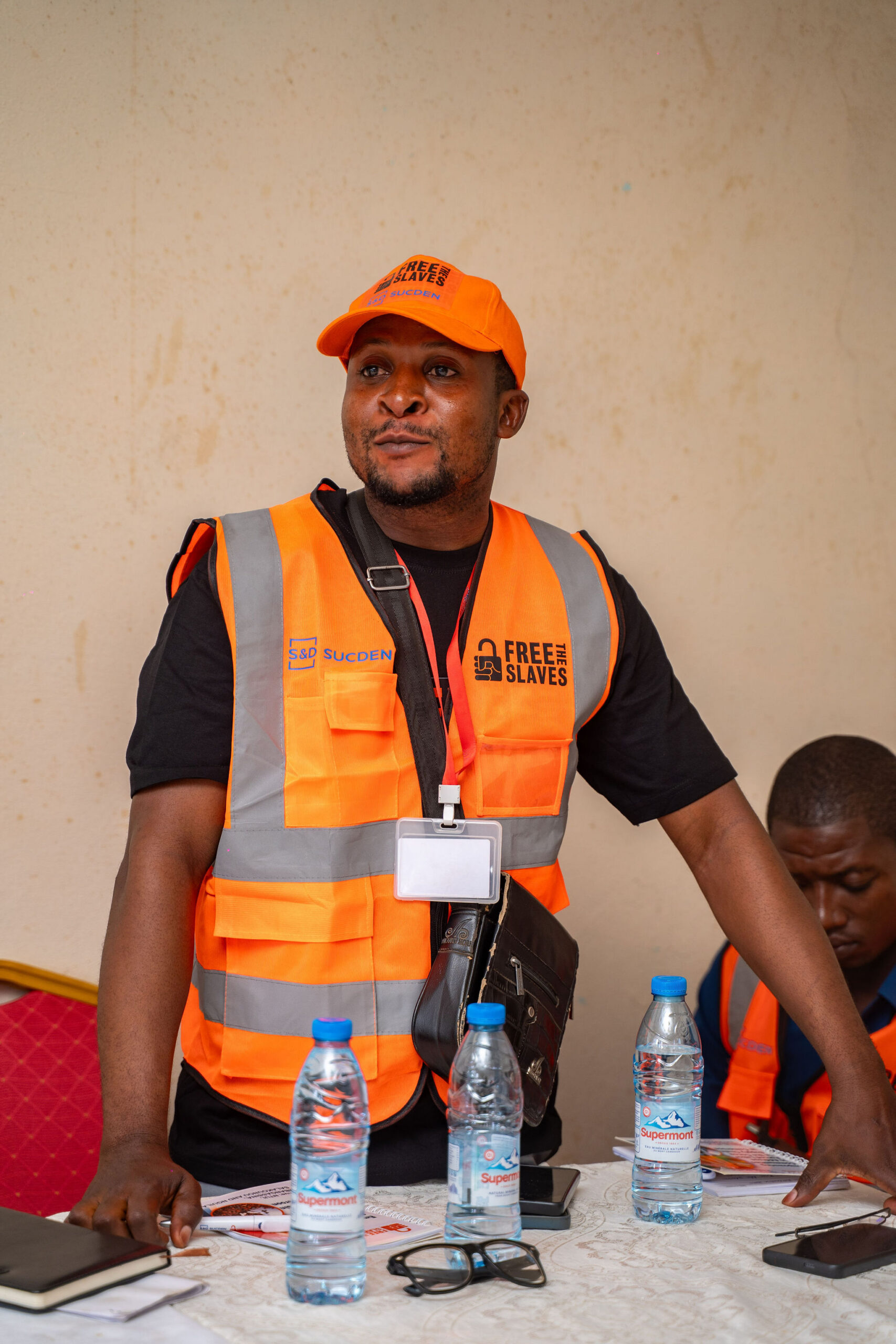
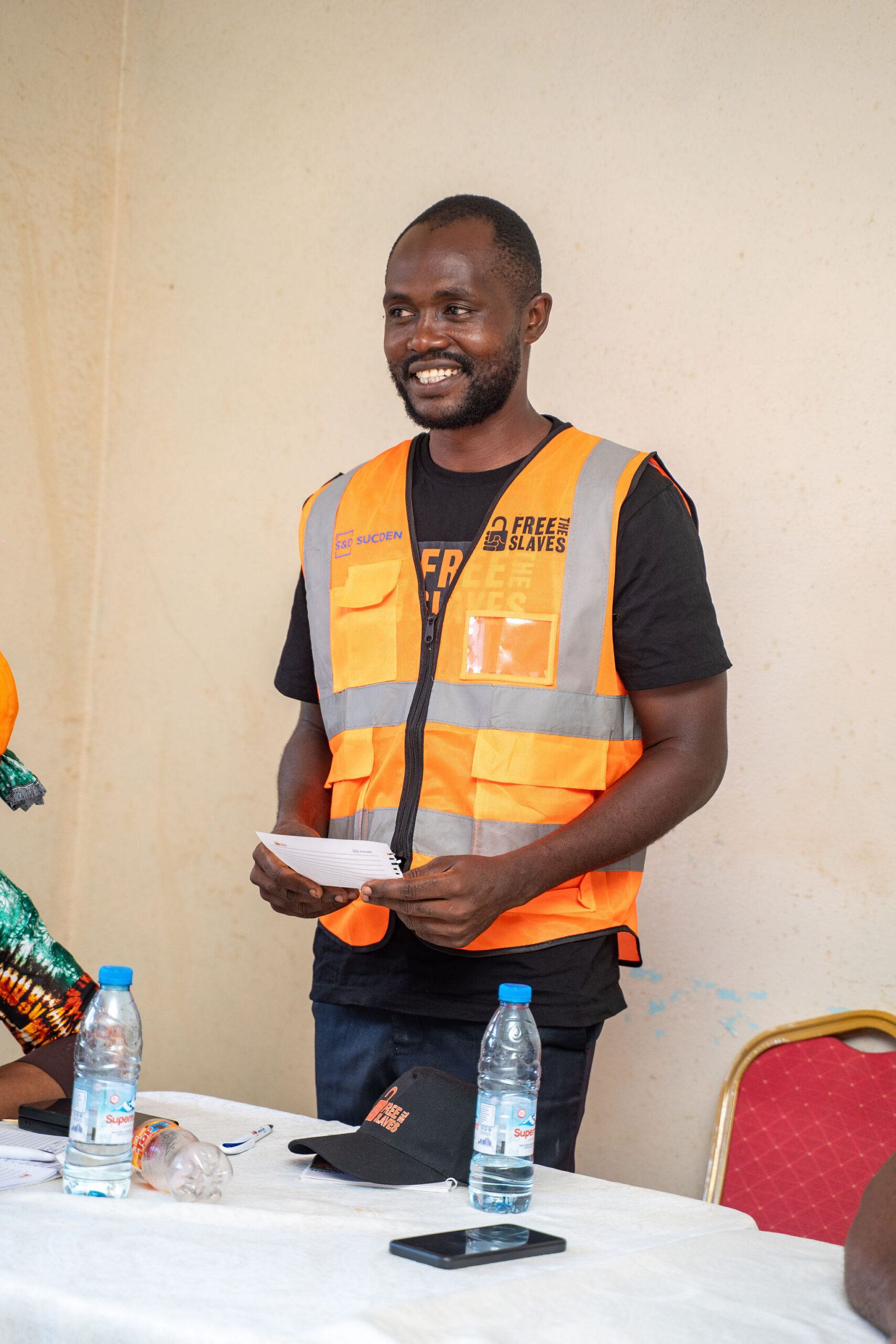
Rights-based, survivor-centered training for company staff, civil society partners, government actors, and community members at all levels.
Technical Support
Developing SOPs, investigation tools, referral maps, grievance mechanism guidance, and human rights response protocols tailored to local contexts.
How we work with partners
Collaboration Models
Supply Chain Due Diligence
Training & Capacity Building
Industry Initiatives
Regulatory Expertise
Human rights frameworks & regulations
We help companies understand and respond to the growing landscape of mandatory human rights due diligence obligations and international standards.
OECD
OECD Guidelines for Multinational Enterprises on Responsible Business Conduct
The leading international standard for responsible business conduct, covering human rights, labour rights, and supply chain due diligence expectations for multinational companies.
CS3D
EU Corporate Sustainability Due Diligence Directive (CS3D)
Requires large companies operating in the EU to identify, prevent, and address adverse human rights and environmental impacts across their operations and value chains.
UFLPA
U.S. Uyghur Forced Labor Prevention Act
Establishes a rebuttable presumption that goods produced in Xinjiang, China involve forced labour, requiring robust supply chain traceability for U.S. importers.
ILO
ILO Conventions on Forced Labour & Child Labour
Conventions No. 29, 105, 138, and 182 — the foundational international labour standards on forced labour, the worst forms of child labour, and minimum age.
UNGPs
UN Guiding Principles on Business and Human Rights
The authoritative global framework establishing the corporate responsibility to respect human rights, including through due diligence and access to remedy.
FLR
EU Forced Labour Regulation
Prohibits the placing or sale of products made with forced labour on the EU market, requiring companies to demonstrate supply chain due diligence.
S-211
Canadian Supply Chain Due Diligence Frameworks
Including the Fighting Against Forced Labour and Child Labour in Supply Chains Act (S-211), requiring annual reporting on steps taken to prevent forced and child labour.
View all insights
Insights & Updates
We help companies understand and respond to the growing landscape of mandatory human rights due diligence obligations and international standards.

Free the Slaves Equips Cocoa Communities with Mobile Phones to Address and Prevent Forced Labor
In Cameroon’s cocoa heartland, the fight against forced labor is taking a technological leap forward. Free the Slaves is equipping Community Vigilance Committees in Mbam-et-Kim with mobile phones and training to monitor, document, and respond to exploitation more effectively. This innovation is accelerating reporting, strengthening community resilience, and protecting vulnerable workers—just in time for the high-risk harvest season.

Preventing Forced Labor in Cameroon’s Cocoa Supply Chains Through Local Action
Forced labor remains one of the most urgent human rights challenges of our time—hidden deep within global supply chains, including the cocoa sector in West and Central Africa. In Cameroon, a major cocoa producer, Free the Slaves is working alongside local communities, government agencies, and industry partners to tackle this problem at its roots. Through a new pilot project in four cocoa-growing communities, we are building community-led vigilance systems that can identify, prevent, and address forced labor—ensuring that the cocoa reaching global markets is free from exploitation.
Change You Can See in the Field
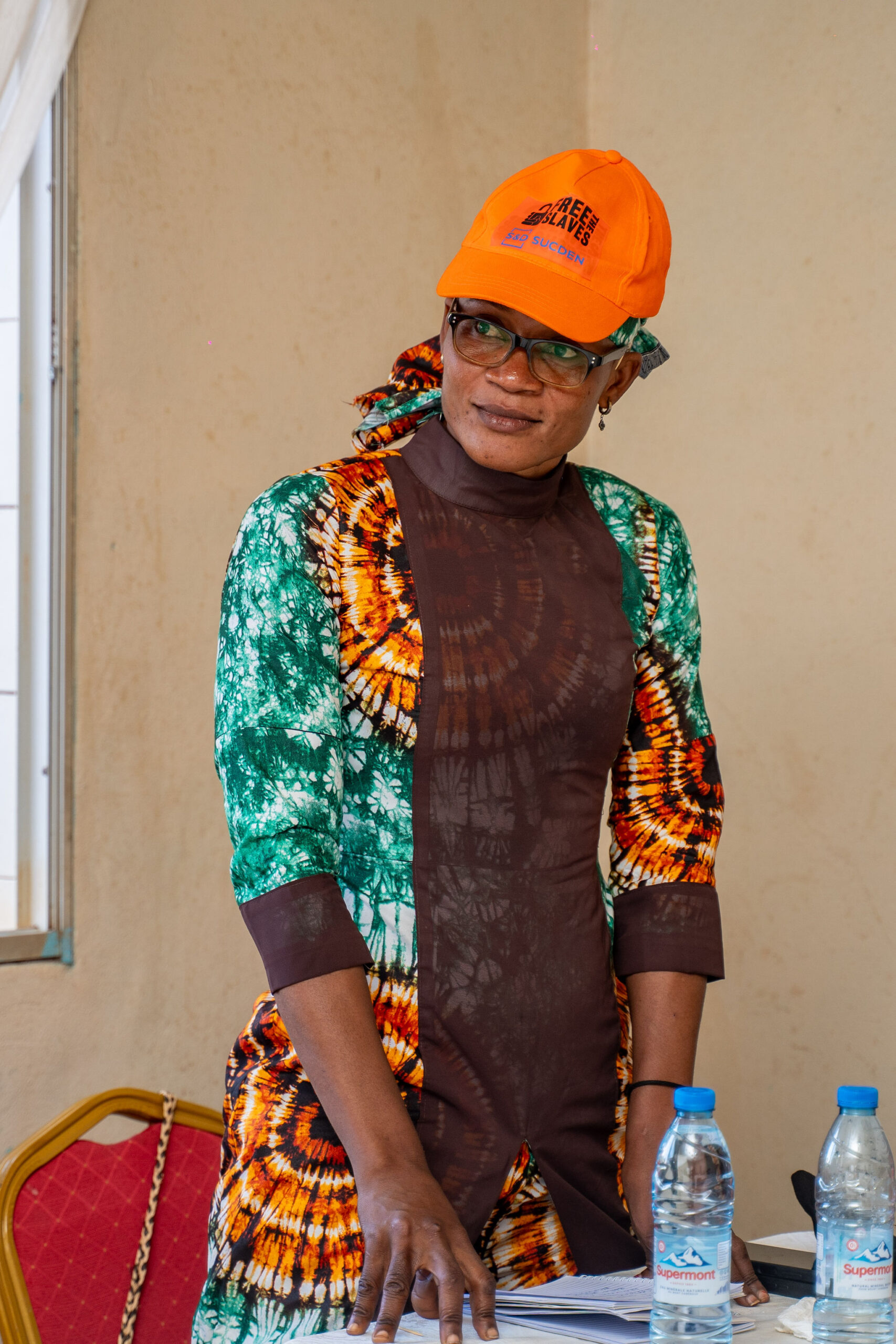
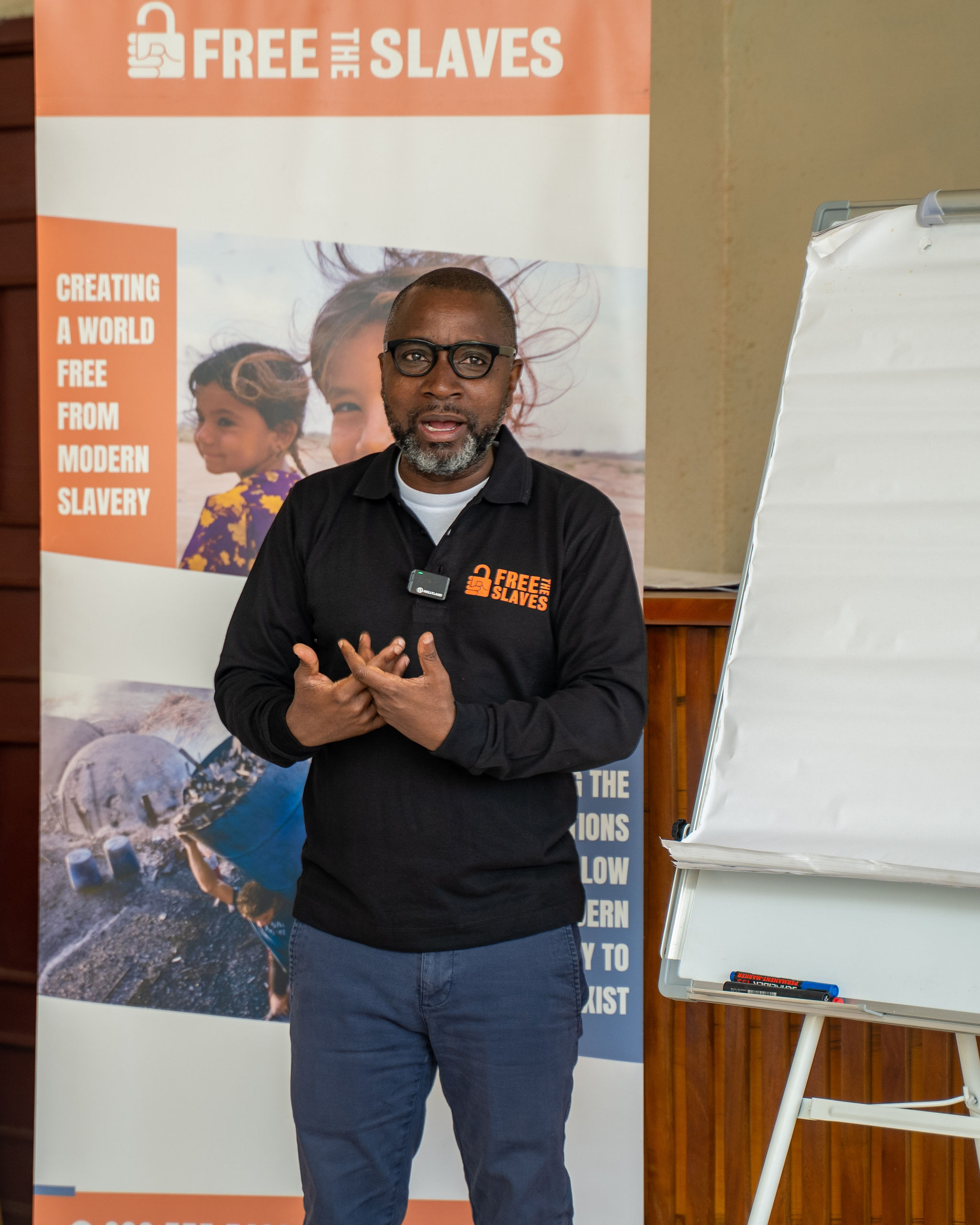
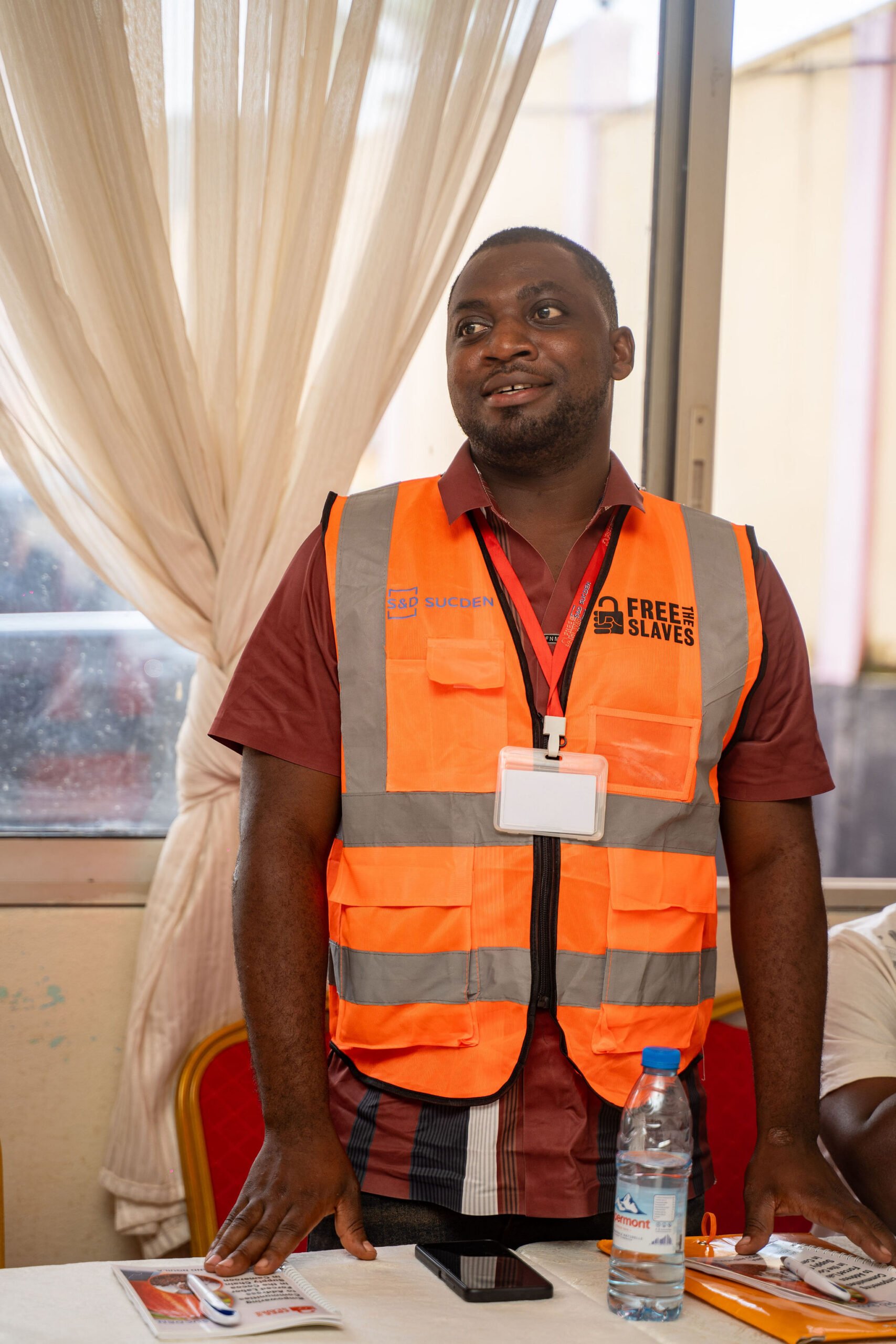
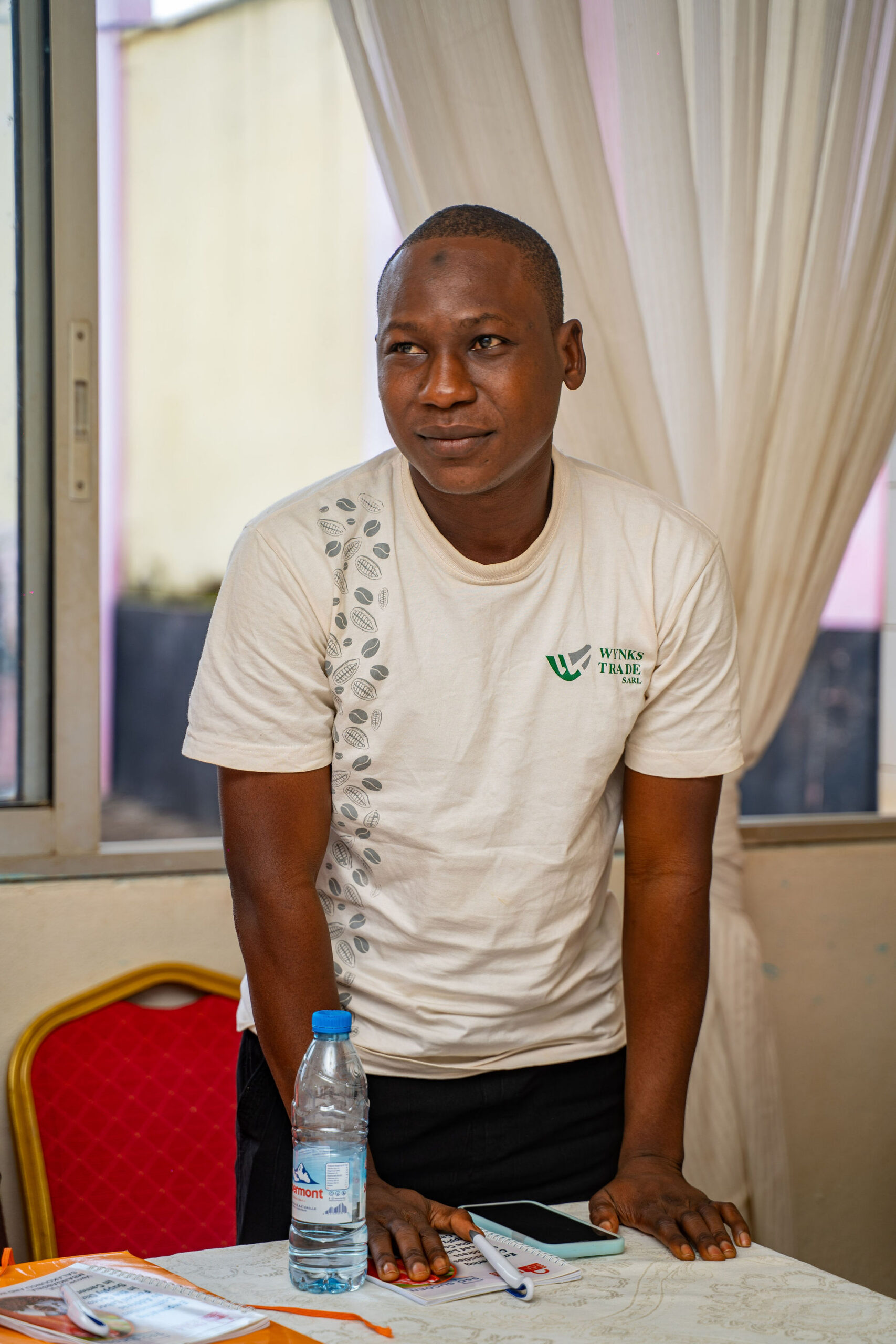
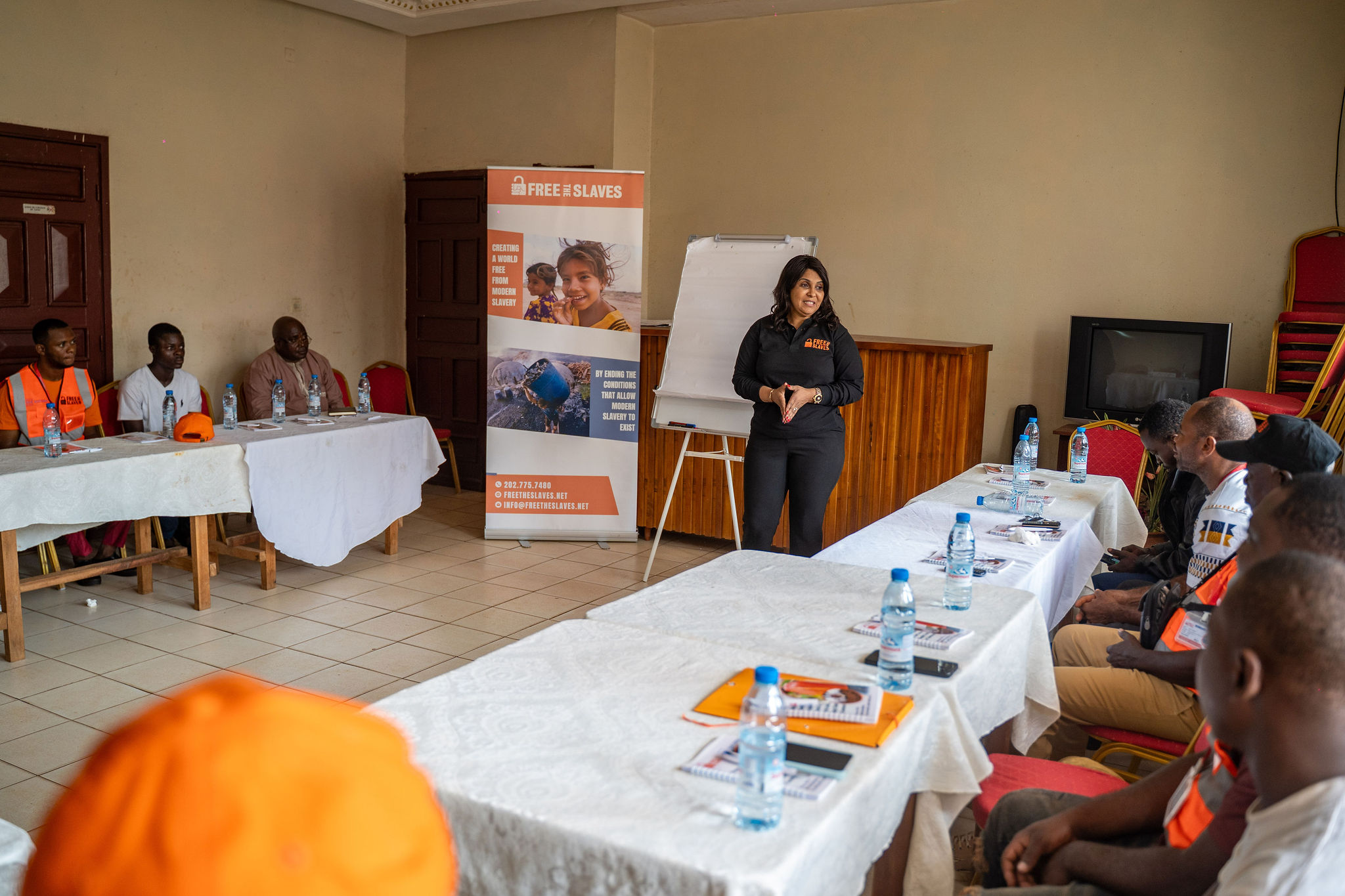
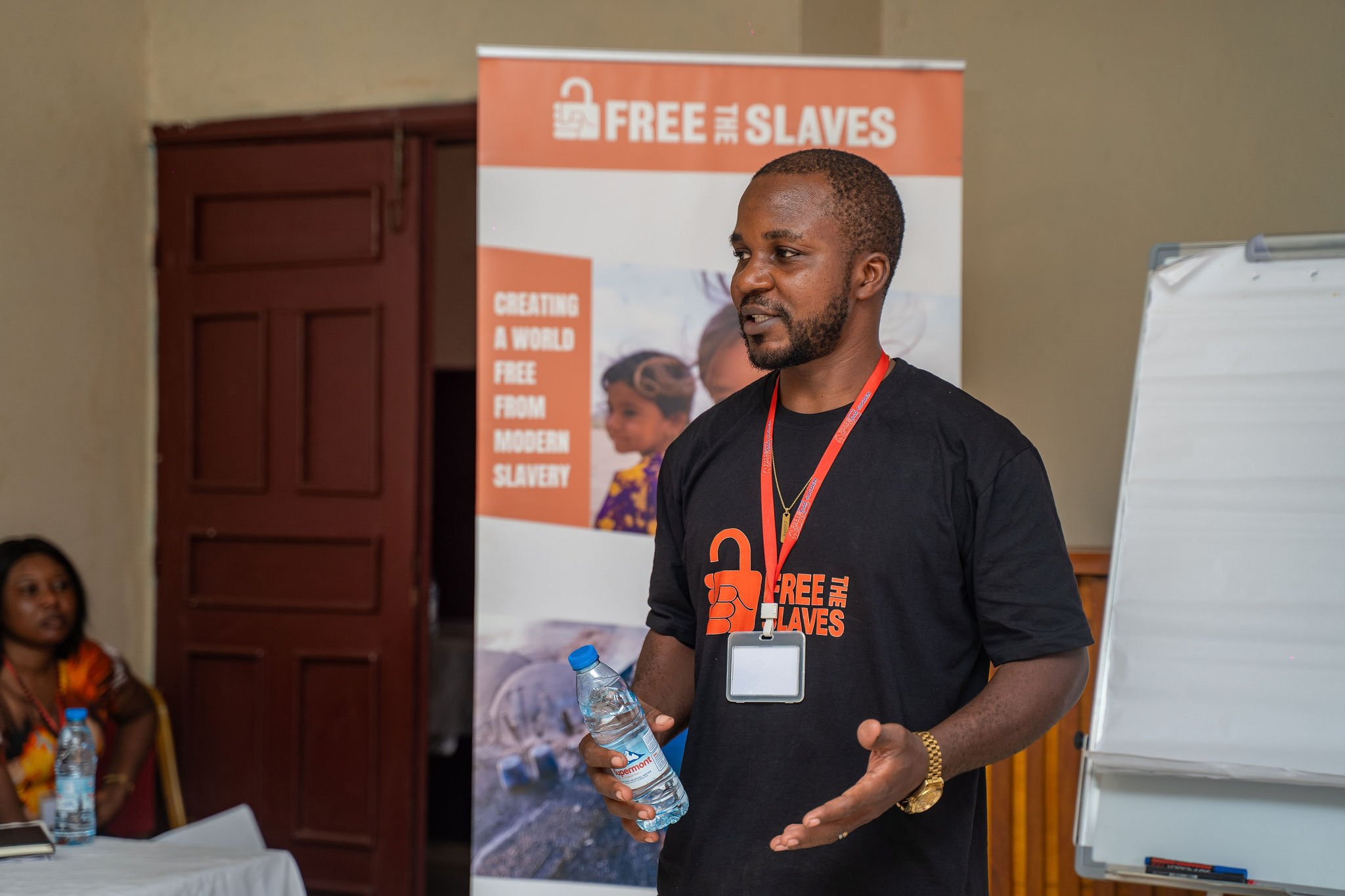
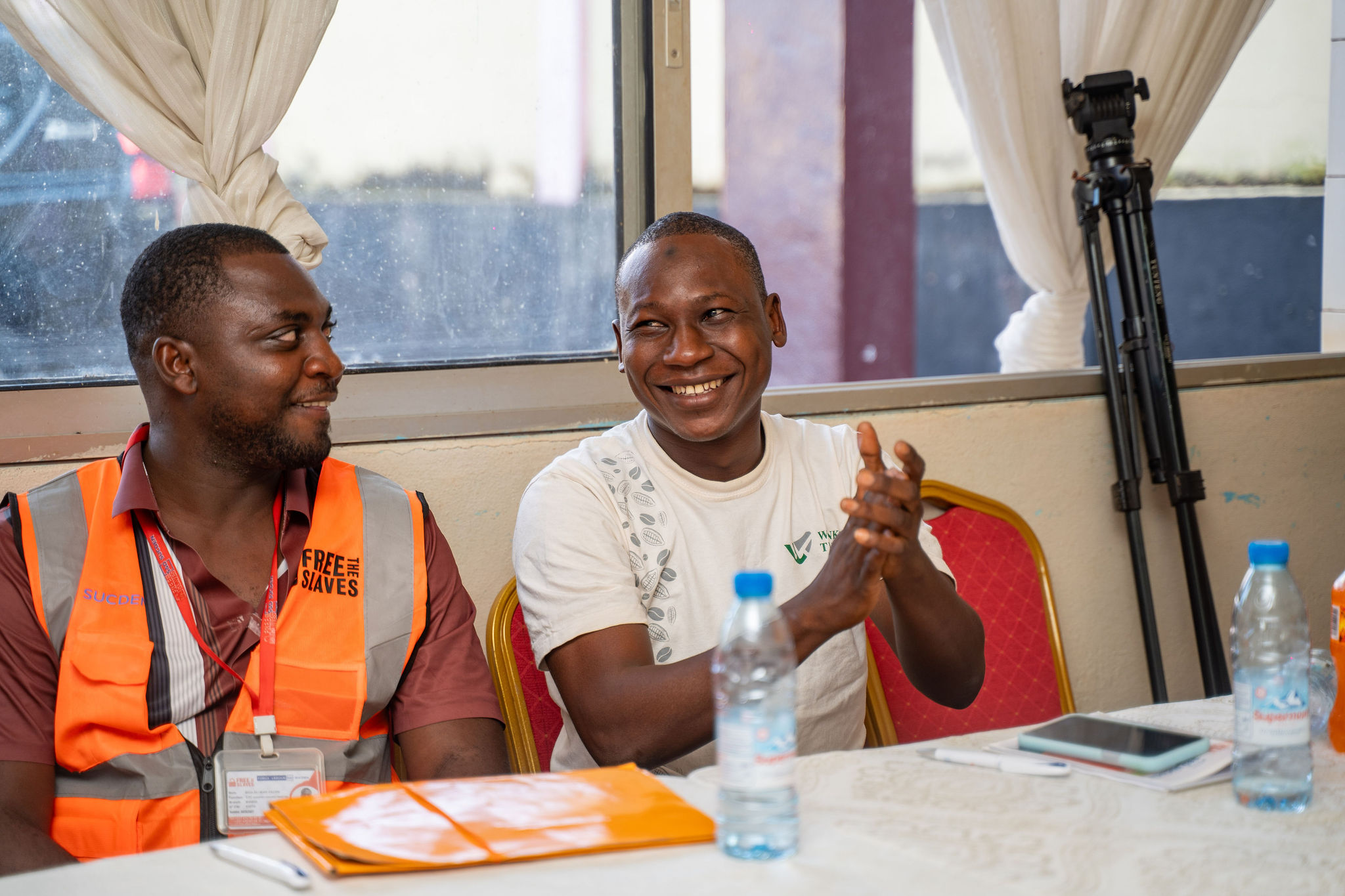
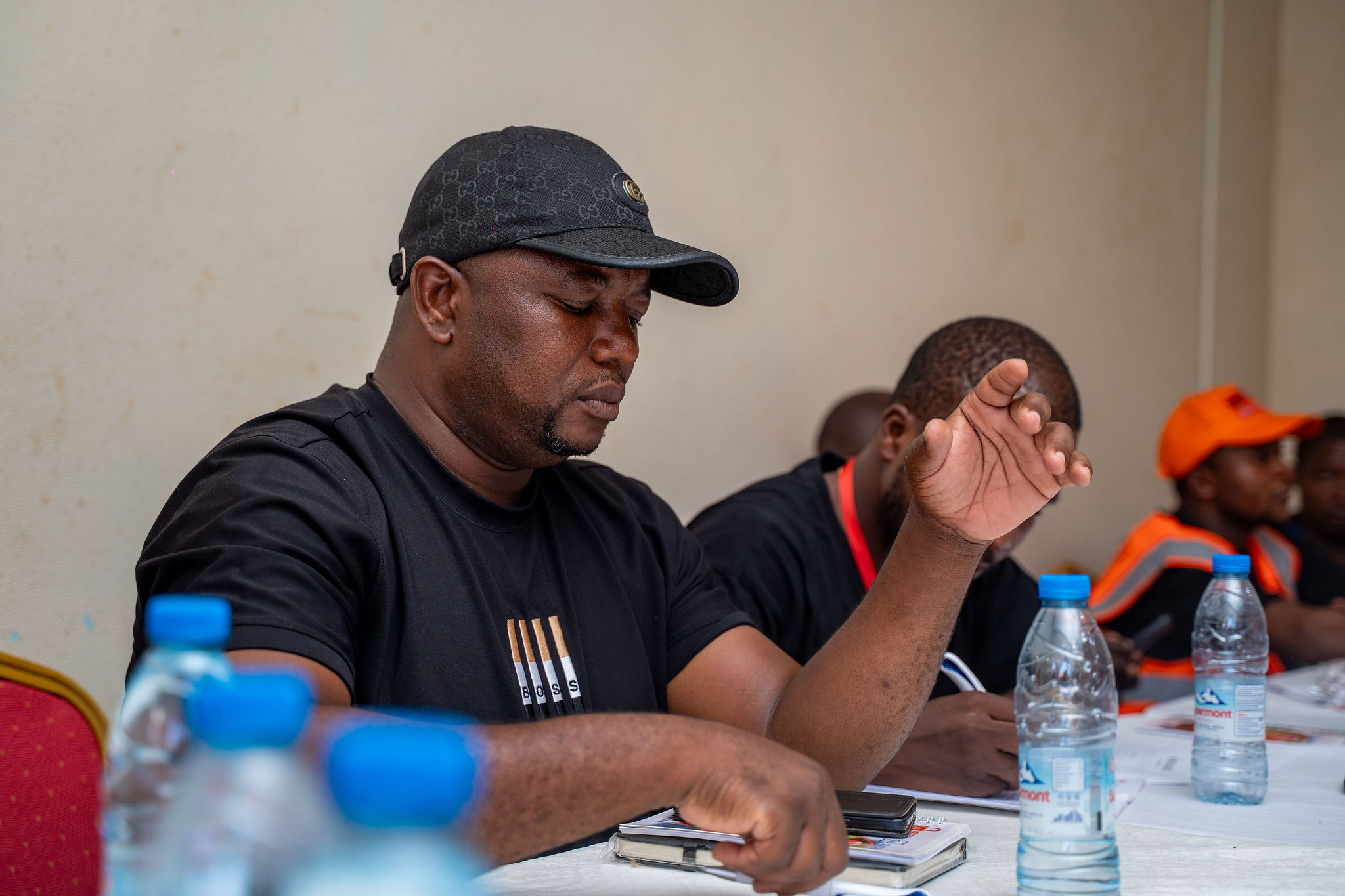
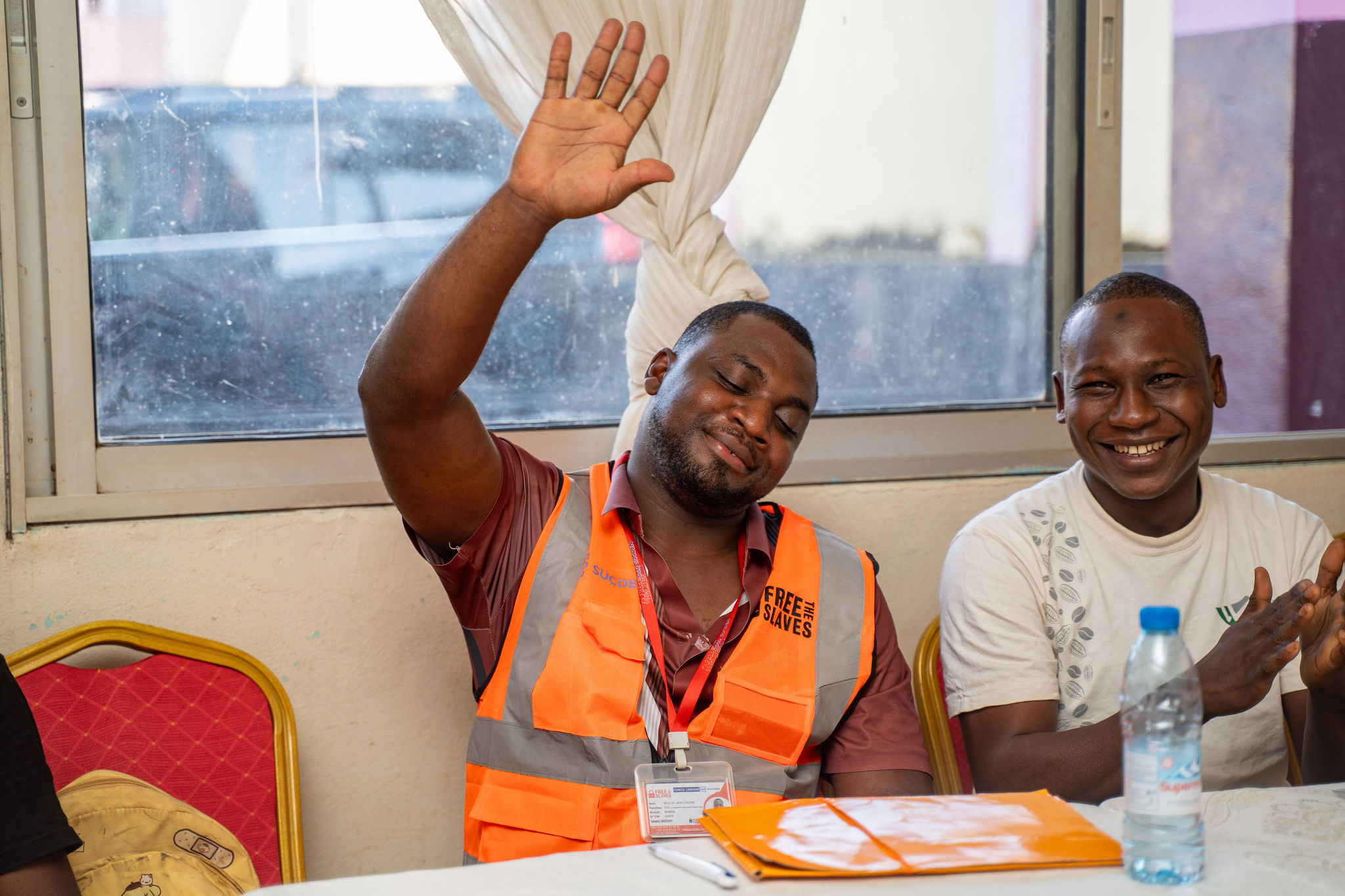
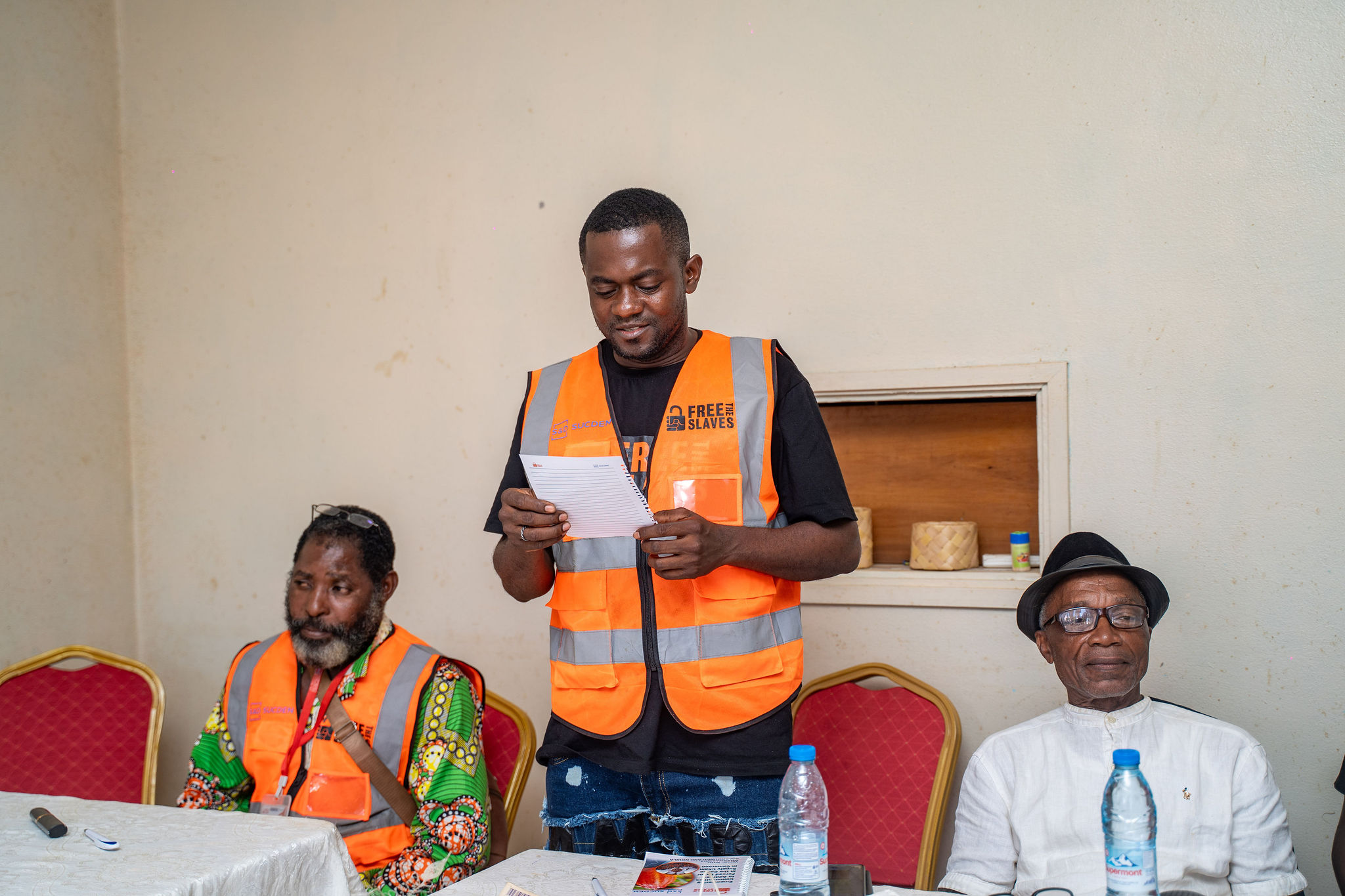
Moments from our community-led work to end modern slavery. Hover to pause, click any photo to view it larger.


Ready to strengthen your human rights response?
Contact us to learn how Free the Slaves can support your organization.
corporate.relations@freetheslaves.net